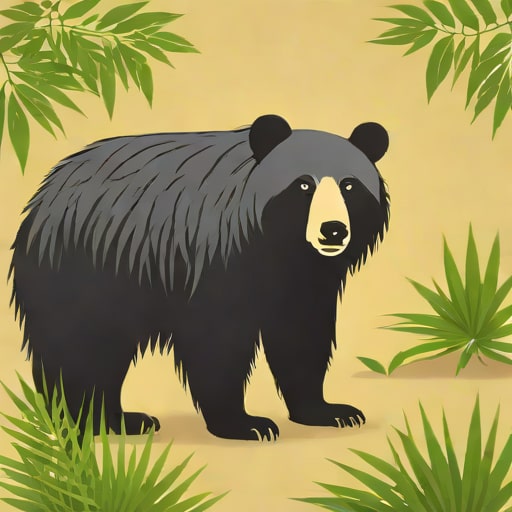
Nestled in the heart of Jessore, the Jessore Sloth Bear Sanctuary stands as a critical haven for one of India’s most unique and vulnerable wildlife species the sloth bear. Known for their shaggy black fur, long snouts, and distinctive white chest marks, sloth bears are an integral part of the local ecosystem, yet they face threats from habitat loss, poaching, and human-wildlife conflicts. The sanctuary provides a safe environment where these bears can live, feed, and reproduce without the pressures that endanger them in the wild. Beyond conservation, the Jessore Sloth Bear Sanctuary also serves as a center for education, research, and eco-tourism, making it a remarkable destination for wildlife enthusiasts and conservationists alike.
History and Establishment
The Jessore Sloth Bear Sanctuary was established to address the declining population of sloth bears in the region. The sanctuary covers a significant area of forest land, providing ample space for the bears to roam and forage. Initiatives leading to its establishment were driven by environmentalists and government authorities who recognized the urgent need to protect this species. Over the years, the sanctuary has developed facilities for monitoring, feeding, and medical care, ensuring that the bears receive the attention necessary to thrive in their natural habitat.
Objectives of the Sanctuary
- Protection of sloth bears from poaching and habitat encroachment.
- Conservation of the natural forest ecosystem surrounding Jessore.
- Research on sloth bear behavior, diet, and reproduction.
- Environmental education and awareness programs for local communities.
- Promotion of eco-tourism to support local economies while maintaining wildlife protection.
Flora and Fauna
The Jessore Sloth Bear Sanctuary is not just a refuge for sloth bears; it also supports a rich diversity of flora and fauna. The dense forests provide a natural habitat for other wildlife such as leopards, jackals, porcupines, and a variety of bird species. The vegetation primarily consists of deciduous trees, shrubs, and fruit-bearing plants that offer both shelter and food for the bears and other animals. Seasonal changes in the flora create an ever-changing landscape, offering researchers a unique opportunity to study ecological interactions and wildlife behavior throughout the year.
Sloth Bear Behavior and Characteristics
Sloth bears are nocturnal and mostly solitary animals, although they may sometimes be seen in small groups when food is abundant. They primarily feed on insects like termites and ants, supplemented with fruits, honey, and flowers. Their long, curved claws are specially adapted for digging into termite mounds, while their lips are flexible for sucking up insects. Visitors to the sanctuary may observe these fascinating behaviors during guided tours, providing an educational glimpse into the life of these remarkable creatures.
Conservation Efforts
Conservation at the Jessore Sloth Bear Sanctuary involves a combination of protective measures, habitat management, and community engagement. Anti-poaching patrols and surveillance systems are in place to ensure that the bears are safe from illegal hunting and human interference. Habitat restoration projects aim to maintain the forest cover and prevent fragmentation, which is essential for the bears’ long-term survival. Additionally, the sanctuary collaborates with wildlife researchers and NGOs to monitor bear populations, track their movements, and study reproductive patterns to develop effective conservation strategies.
Community Involvement
Local communities play a vital role in the success of the sanctuary. Awareness programs educate residents about the importance of sloth bears and the ecological benefits they provide. The sanctuary encourages community participation in eco-tourism, providing employment opportunities as guides, staff, or educators. By fostering a sense of stewardship, the sanctuary ensures that the surrounding population supports conservation efforts rather than viewing the bears as a nuisance or threat.
Visitor Experience
The Jessore Sloth Bear Sanctuary offers a unique experience for visitors of all ages. Guided tours allow guests to explore the sanctuary’s trails, observe sloth bears in their natural habitat, and learn about their behavior and ecological significance. Educational centers and interactive exhibits provide insights into the life cycle, diet, and conservation challenges faced by these animals. Seasonal events and workshops further enhance visitor engagement, making it an ideal destination for families, students, and wildlife enthusiasts.
Eco-Tourism Opportunities
- Guided forest walks to observe sloth bears and other wildlife.
- Bird watching tours highlighting the sanctuary’s diverse avian population.
- Photography excursions for capturing wildlife and scenic landscapes.
- Educational programs for students and researchers focusing on wildlife conservation.
- Community-led cultural experiences that promote local traditions alongside environmental awareness.
Research and Education
Research at the Jessore Sloth Bear Sanctuary focuses on understanding the ecology, behavior, and conservation needs of sloth bears. Scientists and students conduct studies on feeding habits, breeding patterns, and habitat preferences, contributing valuable data for national wildlife management programs. Educational initiatives aim to foster awareness among younger generations, emphasizing the importance of biodiversity and responsible environmental practices. Workshops, seminars, and field trips hosted by the sanctuary help bridge the gap between theory and real-world conservation efforts.
Challenges and Future Goals
Despite its success, the Jessore Sloth Bear Sanctuary faces ongoing challenges. Human encroachment, deforestation, and climate change pose threats to the forest ecosystem. Ensuring adequate funding for maintenance, anti-poaching measures, and research initiatives remains a priority. Looking ahead, the sanctuary aims to expand its protected area, strengthen community partnerships, and enhance educational outreach. By addressing these challenges, the sanctuary hopes to secure a sustainable future for sloth bears and the broader ecosystem they inhabit.
The Jessore Sloth Bear Sanctuary is a vital conservation area that protects one of India’s most distinctive and vulnerable species. Through habitat preservation, research, community engagement, and eco-tourism, the sanctuary provides a safe haven for sloth bears while promoting environmental awareness. Visitors leave with a deeper appreciation for wildlife conservation and an understanding of the ecological role that sloth bears play. As the sanctuary continues to evolve, it stands as a model for integrated wildlife conservation, ensuring that future generations can witness and learn from the beauty and uniqueness of these extraordinary creatures.