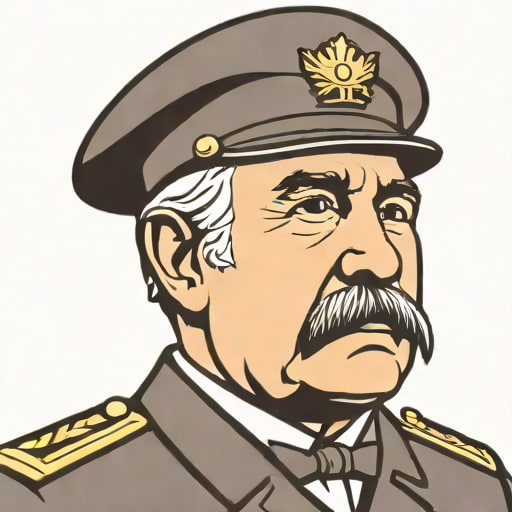
Je fais la guerre is a notable work associated with Georges Clemenceau, the French statesman who played a pivotal role during World War I. Clemenceau, often called The Tiger for his fierce and uncompromising political style, was not only a leader but also an articulate writer and commentator on war, politics, and society. This phrase, meaning I make war in English, captures both his personal philosophy and the wartime stance he adopted as Prime Minister of France during one of the most challenging periods in the country’s history. Understanding Je fais la guerre provides insight into Clemenceau’s mindset, his approach to leadership, and the broader context of French political life during World War I.
Georges Clemenceau The Tiger of France
Georges Clemenceau was born in 1841 in Maine-et-Loire, France, and eventually became a towering figure in French politics. Known for his sharp wit, intense determination, and staunch nationalism, Clemenceau rose to prominence in French government during a period marked by political upheaval and international conflict. His leadership during World War I solidified his legacy as a resolute and pragmatic leader, capable of making difficult decisions under extreme pressure. Clemenceau’s political philosophy emphasized the necessity of strong action in defense of national interests, which is vividly expressed in his writings, speeches, and particularly in Je fais la guerre.
The Context of Je fais la guerre
Je fais la guerre emerged during a time when France was grappling with the devastation of World War I. The country faced immense challenges, including widespread destruction, human suffering, and the need for strategic military coordination with allies. Clemenceau assumed the role of Prime Minister in 1917, a critical moment when France required both political stability and decisive wartime leadership. The expression encapsulates his commitment to taking direct and vigorous action, rejecting passivity or compromise when confronted with threats to the nation. For Clemenceau, war was not only a political reality but a moral and civic duty, requiring courage, sacrifice, and unwavering resolve.
The Philosophical Meaning of Je fais la guerre
On a deeper level, Je fais la guerre reflects Clemenceau’s philosophy of leadership and his approach to crises. The phrase can be interpreted as a declaration of responsibility, emphasizing that leaders must actively engage in the defense of their country rather than merely observing events from a distance. Clemenceau believed that leadership during wartime demanded personal involvement, moral clarity, and a willingness to confront both political and military challenges head-on. In this sense, the phrase serves as a symbolic mantra, reflecting a proactive, determined, and principled approach to governance and conflict.
Key Themes in Clemenceau’s Work
- Patriotism and National DutyClemenceau’s writings emphasize the importance of defending national interests and protecting the French people at all costs.
- Decisive LeadershipThe idea of taking action without hesitation is central, reinforcing the necessity of strong political and military decision-making.
- Personal ResponsibilityLeaders must be personally accountable for the outcomes of their actions and for the welfare of their nation.
- Persistence and ResolveClemenceau underscores the importance of endurance, courage, and relentless effort during times of crisis.
- Realism in PoliticsHe believed in facing harsh realities directly, rather than engaging in idealistic or passive approaches to national security.
Clemenceau’s Wartime Leadership
As Prime Minister during the final years of World War I, Clemenceau’s philosophy of Je fais la guerre was put into practice through his leadership style. He strengthened military discipline, coordinated with allied forces, and ensured that the French government maintained focus and stability despite immense pressure. Clemenceau’s unyielding approach boosted morale and inspired confidence among both soldiers and civilians. He demonstrated that active, courageous leadership could make a significant difference in national outcomes, embodying the very principles captured in his declaration of making war.
Impact on French Society
Clemenceau’s commitment to action resonated with the French public, reinforcing national unity and determination. His speeches and writings, including the themes in Je fais la guerre, reminded citizens of the stakes involved and the need for collective effort. Clemenceau also influenced public opinion by framing war as a necessary struggle for survival and national honor. This approach helped mobilize resources, support recruitment efforts, and maintain public morale during one of France’s most challenging historical periods.
The Legacy of Je fais la guerre
The enduring significance of Je fais la guerre lies not only in its historical context but also in its broader implications for leadership, ethics, and civic responsibility. Clemenceau’s work has been studied by historians, political scientists, and leaders seeking insights into effective crisis management and wartime decision-making. The phrase symbolizes the courage and determination required to confront adversity, serving as a model for leaders facing difficult choices in any era. Its legacy is a reminder that decisive action, informed by principles and a sense of duty, can shape the course of history.
Influence on Political Thought
Je fais la guerre has contributed to discussions on leadership theory, particularly in relation to wartime governance. Clemenceau’s emphasis on accountability, decisive action, and moral clarity provides lessons for contemporary leaders in government, military, and organizational contexts. Scholars often cite his work to illustrate the intersection of personal responsibility and national duty, highlighting the importance of strong leadership during periods of crisis.
Je fais la guerre encapsulates Georges Clemenceau’s approach to leadership, his philosophy of personal responsibility, and his unwavering commitment to France during World War I. Through this declaration, Clemenceau expressed the necessity of decisive action, the moral imperative of defending one’s nation, and the enduring power of resilience and determination. The phrase serves as both a historical reflection and a timeless guide for understanding leadership under pressure. Clemenceau’s legacy, exemplified by his wartime leadership and writings, continues to inspire discussions about courage, strategy, and the responsibilities of those who hold power in times of crisis.