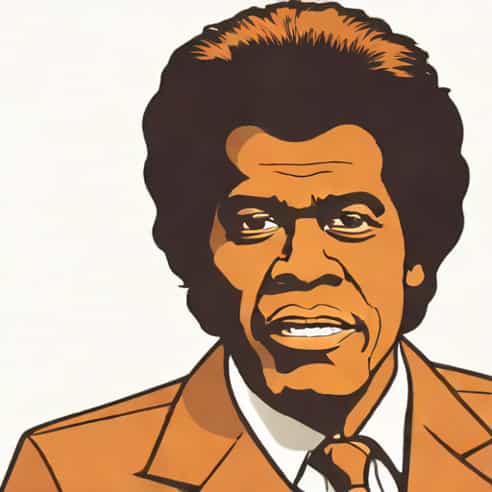
Prisoner of Love is one of the lesser-known yet emotionally compelling songs by James Brown, the Godfather of Soul, who revolutionized music with his distinctive style and dynamic performances. Released during a prolific period in Brown’s career, this song captures the essence of soul music with its heartfelt lyrics, passionate delivery, and intricate rhythm arrangements. While James Brown is often celebrated for his high-energy funk hits like I Got You (I Feel Good) and Papa’s Got a Brand New Bag, Prisoner of Love showcases his versatility as an artist, exploring themes of longing, devotion, and the complexities of love in a way that resonates with listeners on a deeply personal level.
Background and Release
Prisoner of Love was recorded during a time when James Brown was experimenting with a fusion of soul, blues, and early funk influences. The song reflects Brown’s ability to convey raw emotion while maintaining the rhythmic sophistication that would later define funk music. Although it did not achieve the commercial success of some of his more famous hits, Prisoner of Love remains a significant piece in Brown’s discography, illustrating the depth of his musical range and his capacity to connect with audiences through lyrical storytelling.
James Brown’s Musical Style
James Brown’s style in Prisoner of Love combines the soulful intensity of his vocals with intricate instrumental arrangements. Known for his tight horn sections, syncopated rhythms, and powerful lead vocals, Brown brings an emotional intensity that elevates the song beyond a standard love ballad. The song’s instrumentation, including smooth bass lines, rhythmic guitar riffs, and expressive brass, complements his vocals, creating a layered and immersive listening experience.
Lyrics and Themes
The lyrics of Prisoner of Love explore the emotional vulnerability of someone deeply devoted to another, feeling bound by love in a way that can be both joyful and confining. The song captures the tension between desire and surrender, portraying love as a powerful force that commands attention and loyalty. Lines within the song express longing, admiration, and the vulnerability that comes with opening oneself to deep emotional connection. Brown’s delivery emphasizes the sincerity and intensity of these emotions, making the song resonate across generations.
Instrumentation and Arrangement
The musical arrangement of Prisoner of Love highlights James Brown’s signature approach to rhythm and timing. The song features a strong backbeat, accented by precise drum patterns and vibrant horn sections that punctuate the melody. The bass line is particularly prominent, providing a steady, grooving foundation that supports Brown’s expressive vocals. Guitar and piano elements add depth and texture, contributing to the overall richness of the song. The arrangement demonstrates Brown’s understanding of musical dynamics, creating tension and release that mirrors the emotional narrative of the lyrics.
Vocal Performance
James Brown’s vocal performance in Prisoner of Love is both powerful and nuanced. Unlike some of his more upbeat, energetic tracks, this song allows Brown to explore a smoother, more emotive vocal style. His ability to convey vulnerability and passion simultaneously adds a layer of authenticity, drawing listeners into the emotional core of the song. The phrasing, tone, and occasional vocal inflections demonstrate his mastery of conveying feeling through music, which contributed to his reputation as a pioneering soul artist.
Reception and Legacy
Although Prisoner of Love did not achieve the widespread commercial acclaim of some of James Brown’s funk hits, it has been appreciated by critics and fans for its emotional depth and musical sophistication. The song is often cited as an example of Brown’s versatility and his ability to adapt his performance style to different musical contexts. Over time, it has gained recognition as a noteworthy entry in his catalog, offering a glimpse into the emotional and artistic range that made him an enduring icon in the music world.
Influence on Soul and Funk
Prisoner of Love reflects the transitional period in James Brown’s career, where elements of traditional soul music began to merge with the rhythmic innovations that would define funk. The song’s intricate rhythms, expressive horn arrangements, and emotive vocals influenced subsequent artists in both soul and funk genres. By demonstrating that a song could be both rhythmically compelling and emotionally resonant, Brown paved the way for other musicians to explore the intersection of musical sophistication and heartfelt storytelling.
Live Performances
James Brown was known for his electrifying live performances, and songs like Prisoner of Love provided moments of emotional connection amidst his energetic shows. While many fans remember Brown for his dance-heavy stage presence, slower, more contemplative tracks like this one allowed audiences to experience a different facet of his artistry. His ability to engage listeners, whether through high-octane funk or soulful ballads, underscores the breadth of his talent and his understanding of audience dynamics.
Emotional Resonance
The emotional impact of Prisoner of Love is enhanced in live settings, where Brown’s vocal expressiveness and the band’s dynamic instrumentation create a shared experience of love and longing. Audiences could feel the sincerity in his performance, making the song memorable and impactful even among more upbeat and energetic numbers in his setlists. This emotional resonance contributed to Brown’s lasting legacy as an artist capable of both entertaining and moving his listeners deeply.
Collectibility and Recording History
Record collectors and music historians regard Prisoner of Love as a significant piece of James Brown’s discography. Original vinyl releases and rare recordings of the song are sought after for their historical value and the insight they provide into Brown’s evolving musical style. The song’s production, arrangement, and lyrical content offer a snapshot of a pivotal moment in Brown’s career, highlighting his ability to innovate while remaining true to the soul genre.
Key Takeaways
- Prisoner of Love showcases James Brown’s emotional range beyond his high-energy funk hits.
- The song combines intricate instrumentation with heartfelt lyrics to create a compelling soul ballad.
- It reflects a transitional period in Brown’s career, blending traditional soul with emerging funk elements.
- Live performances of the song highlight Brown’s skill in connecting emotionally with audiences.
- The song remains a valuable piece for collectors and fans interested in exploring the depth of Brown’s artistry.
Prisoner of Love stands as a testament to James Brown’s versatility, artistry, and emotional depth. While not as commercially famous as his major funk hits, it highlights his ability to craft music that resonates on a deeply human level. Through its rich instrumentation, heartfelt lyrics, and powerful vocal delivery, the song exemplifies the qualities that made James Brown an enduring legend in soul and funk music. For fans and newcomers alike, Prisoner of Love offers a chance to experience a more introspective and tender side of the Godfather of Soul, revealing why his influence continues to shape music decades after its release.
“`