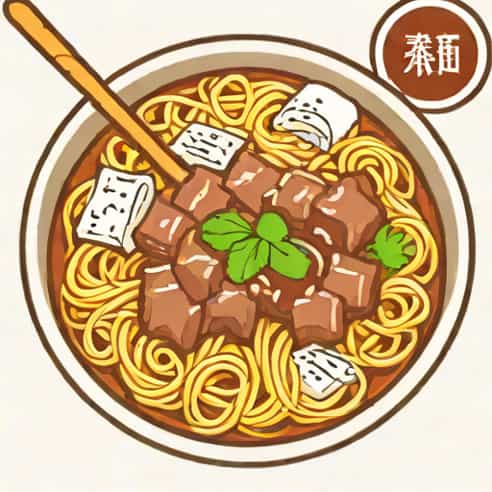
Lanzhou beef noodle soup is a beloved dish that has captured the hearts and taste buds of food enthusiasts worldwide. Originating from the city of Lanzhou in China’s Gansu province, this dish is famous for its hand-pulled noodles, flavorful beef broth, and aromatic spices. For many Muslims and halal-conscious diners, a common question arises is Lanzhou beef noodle halal? Understanding whether this dish meets halal dietary requirements involves examining the ingredients, preparation methods, and cultural practices behind its preparation. This discussion not only addresses dietary concerns but also helps global travelers and food lovers enjoy Lanzhou beef noodles confidently and safely.
Origins and Cultural Significance of Lanzhou Beef Noodles
Lanzhou beef noodles, or Lanzhou Lamian, have a rich history dating back over a century. The dish is rooted in Chinese Islamic culinary traditions and is traditionally prepared by the Hui Muslim community in China. The hand-pulled noodles, tender beef slices, clear broth, and vibrant toppings make it a signature dish with deep cultural significance. Each bowl is a combination of culinary skill and artistry, with the noodles stretched and spun by hand, creating the unique texture that has made Lanzhou beef noodles a favorite for generations.
Ingredients Commonly Used in Lanzhou Beef Noodles
To determine if Lanzhou beef noodles are halal, it is important to examine the typical ingredients used in the dish
- BeefUsually cuts like brisket or shank are used.
- NoodlesMade from wheat flour, water, and sometimes salt.
- BrothA clear, aromatic beef broth often infused with spices like star anise, ginger, and garlic.
- ToppingsFresh herbs, scallions, cilantro, and chili oil are common additions.
- SeasoningsSalt, soy sauce, and sometimes traditional Chinese spices.
In principle, all these ingredients can be halal. However, the halal status depends on whether the beef is sourced and slaughtered according to Islamic dietary laws and whether any non-halal additives, such as certain soy sauces or broths containing alcohol, are used.
Halal Considerations for Lanzhou Beef Noodles
The primary concern for halal consumers is the source and handling of the beef. For a dish to be considered halal, the following conditions must be met
- The beef must come from an animal slaughtered according to Islamic law, known as Zabiha.
- All utensils and cooking surfaces must be free from contamination with non-halal foods such as pork or alcohol.
- Any sauces or seasonings used must not contain alcohol or non-halal ingredients.
In Lanzhou, many traditional noodle shops run by Hui Muslims strictly follow halal practices, ensuring that the beef is Zabiha-certified and that no non-halal ingredients are added. This makes authentic Lanzhou beef noodles from such establishments generally halal and safe for Muslim consumers.
Challenges in Non-Halal Locations
When enjoying Lanzhou beef noodles outside China or in non-halal restaurants, it becomes more challenging to guarantee halal compliance. Some restaurants may use beef sourced without Zabiha certification or incorporate ingredients that are not halal. Therefore, it is important for halal-conscious diners to ask about the source of the beef and confirm that all ingredients and preparation methods adhere to halal standards.
How to Ensure Lanzhou Beef Noodles are Halal
For those seeking halal Lanzhou beef noodles, there are several steps to ensure compliance
- Choose Halal-Certified RestaurantsLook for restaurants with official halal certification or those operated by Muslim communities.
- Ask About Beef SourcingConfirm that the beef is Zabiha-certified or sourced according to Islamic guidelines.
- Check IngredientsEnsure no alcohol, pork, or non-halal additives are included in the broth or sauces.
- Observe Kitchen PracticesVerify that cooking utensils and surfaces are not cross-contaminated with non-halal foods.
By taking these precautions, diners can enjoy Lanzhou beef noodles while confidently adhering to their dietary requirements.
Global Availability of Halal Lanzhou Beef Noodles
Lanzhou beef noodles have grown in popularity beyond China, reaching cities worldwide. Many halal restaurants and chains now serve this dish, adapting the recipe to meet halal standards. In areas with significant Muslim populations, it is common to find authentic Lanzhou beef noodles prepared with Zabiha beef and halal-certified ingredients, allowing halal-conscious diners to experience the rich flavors without compromise.
Halal Alternatives and Adaptations
For those in regions where halal beef is not easily available, alternatives can be considered. Some restaurants substitute chicken or lamb that is halal-certified to replicate the traditional noodle experience. Additionally, some home cooks prepare halal versions by sourcing beef from trusted halal butchers and carefully selecting spices and broths that comply with Islamic dietary laws. These adaptations maintain the essence of Lanzhou beef noodles while ensuring halal compliance.
Benefits of Eating Halal Lanzhou Beef Noodles
- Peace of mind that dietary restrictions are observed.
- Enjoyment of authentic flavors without compromising religious beliefs.
- Support for halal-certified businesses and Muslim communities.
- Opportunities to explore Chinese cuisine through a halal lens.
Whether Lanzhou beef noodles are halal depends primarily on the sourcing of the beef and adherence to Islamic dietary laws. Traditional Lanzhou beef noodles prepared by the Hui Muslim community in China are generally halal, as they follow Zabiha practices and avoid non-halal ingredients. However, in non-halal settings, careful consideration and inquiry are necessary to ensure compliance. By choosing halal-certified restaurants, verifying ingredient sources, and being mindful of kitchen practices, halal-conscious diners can enjoy the delicious, aromatic, and culturally rich experience of Lanzhou beef noodles safely. With increasing global availability and awareness, enjoying halal Lanzhou beef noodles has become more accessible for Muslims around the world, allowing them to savor a classic Chinese dish while adhering to their dietary and religious values.