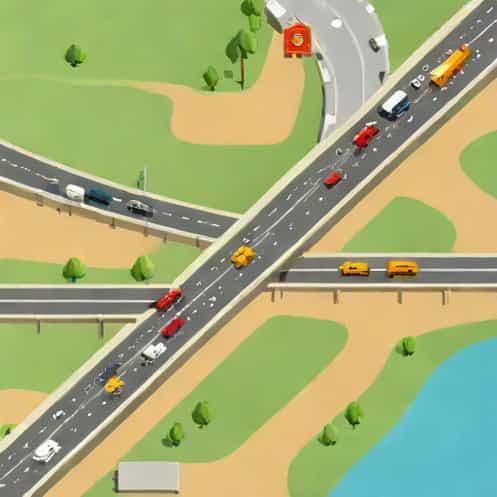
Travelers along Interstate 70 eastbound may experience major delays due to today’s closure, which has affected traffic across multiple counties. Whether caused by road construction, weather conditions, or an accident, closures along I-70 often have a ripple effect on nearby highways and local routes. Understanding the reason for the I-70 eastbound closure today, along with the best detours and travel tips, can help drivers plan their routes efficiently and avoid unnecessary frustration. Staying informed about such updates is crucial for anyone commuting, transporting goods, or traveling across states using this key interstate highway.
Understanding the I-70 Eastbound Closure
Interstate 70 is one of the most important highways in the United States, stretching from Utah to Maryland. When a section of I-70 eastbound closes, even temporarily, it can cause significant delays, particularly for long-haul truckers and daily commuters. The closure today has been announced due to necessary maintenance and safety improvements, which may include repaving, bridge repair, or clearing debris after a recent incident.
Authorities often close lanes or entire sections of the highway to ensure the safety of both drivers and workers. While this can be inconvenient, it’s part of an essential process to maintain road quality and reduce accidents. The I-70 eastbound closure today highlights the balance between keeping traffic moving and ensuring long-term safety for everyone using the interstate.
Possible Reasons for the Closure
There are several potential causes for the closure of I-70 eastbound today. The highway spans multiple states, so conditions can vary from region to region. Some of the most common reasons for closure include
- Construction and RoadworkMajor construction projects are often scheduled during specific seasons, and lane closures are necessary to complete repairs or upgrades.
- Severe WeatherHeavy snow, ice, flooding, or strong winds can make driving dangerous, prompting temporary shutdowns of the highway.
- Traffic AccidentsCollisions involving multiple vehicles, particularly semi-trucks, can lead to extended closures for cleanup and investigation.
- Bridge MaintenanceI-70 includes numerous bridges that require regular inspection and repair, sometimes resulting in detours or partial lane closures.
- Hazardous Material SpillsIn cases where trucks carrying chemicals are involved in accidents, safety teams must close the area until cleanup is complete.
Today’s I-70 eastbound closure could involve one or more of these factors. Drivers should check official traffic advisories or local news for updates before setting out on their journey.
Impact on Traffic and Commuters
Whenever a section of I-70 closes, the impact is immediate and widespread. The highway is a major route for commercial transportation, connecting major cities and serving as a vital corridor for goods moving across the Midwest. A closure in one area often diverts traffic to smaller highways, which are not designed to handle the same volume of vehicles. This can lead to congestion, longer travel times, and delays in deliveries.
For local commuters, today’s closure may mean finding alternate routes through nearby towns or county roads. While GPS apps often suggest detours, some rural areas may have limited options, leading to extended travel times. Emergency services and transport companies also face challenges when such closures occur, making coordination and communication essential.
Effects on Freight and Logistics
Freight companies that rely on I-70 to transport goods across states may need to reroute trucks, adding miles and fuel costs. The eastbound closure today could result in delayed shipments, particularly for time-sensitive deliveries. Many logistics firms monitor closures like these closely, using real-time data to adjust routes and schedules. The closure serves as a reminder of how dependent the economy is on the nation’s highway network.
Alternate Routes and Detour Information
Drivers affected by the I-70 eastbound closure today should plan their detours carefully to avoid unnecessary delays. Depending on the section of the highway that is closed, several alternate routes may be available. Common detour options include using nearby interstates or state highways that run parallel to I-70.
- For Western SectionsDrivers can use Interstate 76 or U.S. Route 40 as alternate paths that generally follow the same direction as I-70.
- For Midwest SectionsState highways such as Route 36 or Route 50 may provide eastbound access with manageable traffic flow.
- For Eastern SectionsDrivers near Maryland or Pennsylvania may reroute through I-68 or I-81 to reconnect with I-70 once the closure ends.
Authorities typically post detour signs well in advance of closures to guide motorists safely. However, travelers are advised to double-check route updates through navigation systems or official highway information services to ensure they follow the most efficient detour.
Travel Tips During the Closure
When facing a closure like today’s I-70 eastbound shutdown, preparation is key. Here are several practical tips to minimize inconvenience and stay safe during your journey
- Check traffic alerts and road conditions before departure to stay informed about closure times and detour routes.
- Allow extra travel time, especially during rush hours or peak traffic periods.
- Ensure your vehicle is fully fueled and in good condition in case detours add extra distance.
- Follow all posted signs and instructions from law enforcement or construction personnel.
- Stay patient-closures are temporary but essential for improving road safety and infrastructure.
It’s also wise to keep emergency supplies, such as water, snacks, and a first-aid kit, especially if traveling long distances. For professional drivers, staying in contact with dispatch teams helps adjust delivery schedules in real time.
Public Safety and Maintenance Work
One of the primary reasons for closing sections of I-70 eastbound is to maintain public safety. Regular maintenance ensures the road remains safe and functional, preventing accidents that could be caused by damaged pavement or weakened bridges. Today’s closure may involve teams working to fix potholes, repaint lane markings, or perform structural inspections. These efforts may cause temporary inconvenience but ultimately improve driving conditions for everyone.
Law enforcement officers often assist with directing traffic and maintaining order near closure zones. In high-risk areas, such as where large construction vehicles are entering and exiting the road, strict speed limits and additional signage are enforced to protect workers and motorists alike.
Updates and Expected Reopening
While closures vary in duration, most are scheduled for short periods to minimize disruption. Depending on the cause, today’s I-70 eastbound closure could last anywhere from a few hours to several days. If the closure is due to an accident or severe weather, reopening may depend on cleanup progress or safety assessments. Construction-related closures usually follow a predetermined schedule, and updates are released regularly by state transportation departments.
Drivers should remain alert to announcements about when I-70 eastbound will reopen fully. Checking updates during the day can help avoid getting caught in long detour lines or unexpected delays.
The I-70 eastbound closure today is a reminder of how essential communication and preparation are when navigating major highways. Whether the shutdown is caused by maintenance, accidents, or weather, understanding its purpose and planning accordingly can make a significant difference in your travel experience. By checking updates, following detour signs, and allowing extra travel time, drivers can navigate around the closure safely and efficiently. Once the road reopens, smoother and safer travel conditions will be the reward for today’s patience and caution. Staying informed ensures that every trip-no matter the delay-remains as stress-free and secure as possible.