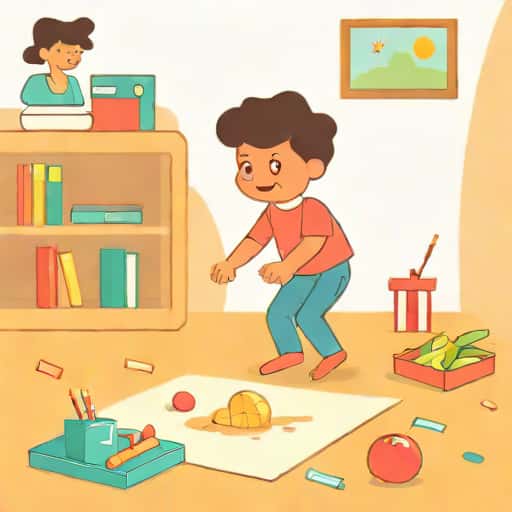
Managing a hyperactive child in preschool can be challenging for both teachers and parents. Young children with high energy levels often struggle to sit still, follow instructions, and focus on classroom activities. This behavior can disrupt learning for themselves and others, but it is important to understand that hyperactivity at this age is not necessarily a sign of misbehavior. With patience, structured routines, and practical strategies, preschool educators and caregivers can help hyperactive children channel their energy in positive ways and support their social, emotional, and cognitive development.
Understanding Hyperactivity in Preschool Children
Before addressing hyperactivity, it is essential to understand what it looks like in preschoolers. Hyperactive children often have difficulty staying seated, frequently interrupt others, and may move constantly during activities. They might struggle with paying attention or following instructions, which can make learning and social interaction more challenging. Hyperactivity can stem from natural variations in energy levels, temperament, or underlying conditions like Attention Deficit Hyperactivity Disorder (ADHD). Recognizing the underlying causes helps in creating appropriate strategies for support.
Signs of Hyperactivity in Preschool
- Constant fidgeting, squirming, or moving around the classroom.
- Difficulty staying focused on activities for more than a few minutes.
- Impulsivity, such as grabbing toys or interrupting peers.
- Excessive talking or vocalizing during quiet times.
- Difficulty waiting for turns or following multi-step instructions.
Creating a Structured Environment
Hyperactive children benefit greatly from structure and predictability. Establishing consistent routines provides a sense of security and reduces opportunities for disruptive behavior. Preschool teachers can use visual schedules, clear instructions, and consistent transitions to help children understand what is expected. Predictable routines also make it easier for hyperactive children to anticipate activities and prepare mentally for changes, which reduces anxiety and impulsive reactions.
Classroom Setup
The physical environment can also influence hyperactivity. Arrange the classroom to minimize distractions and allow for movement when appropriate. For example, designate areas for active play and separate zones for quiet activities. Provide seating options that allow small movements, such as wiggle cushions or standing desks, which can help children release energy without disrupting others. Organizing materials in accessible ways encourages independence and reduces frustration that can trigger hyperactive behaviors.
Incorporating Movement into the Day
Hyperactive children often need regular opportunities to move and burn off energy. Integrating physical activity throughout the day can improve focus and behavior during sedentary tasks. Short movement breaks, structured games, and outdoor play allow children to expend energy in controlled ways. Movement also promotes brain development and enhances learning, making it a critical part of managing hyperactivity in preschool settings.
Examples of Movement Activities
- Short stretching exercises between lessons.
- Guided dance or music sessions.
- Obstacle courses or indoor movement games.
- Frequent outdoor recess with structured play.
- Yoga or balance exercises tailored for young children.
Positive Behavior Support
Positive reinforcement is an effective strategy for guiding hyperactive children. Praising desirable behaviors, providing immediate feedback, and setting achievable goals can help children feel motivated and successful. Avoid focusing only on negative behaviors, as this can create frustration and escalate hyperactivity. Instead, highlight specific actions, such as sitting calmly during storytime or sharing toys with classmates. Over time, these positive behaviors become more frequent and easier to maintain.
Techniques for Encouraging Good Behavior
- Use clear and concise instructions with visual cues.
- Break tasks into smaller, manageable steps.
- Provide rewards or recognition for following rules or completing tasks.
- Model calm and patient behavior consistently.
- Offer choices to give children a sense of control.
Social and Emotional Support
Hyperactive children often face social challenges, such as difficulty sharing, cooperating, or understanding social cues. Teachers and caregivers can help by teaching social skills explicitly and guiding children through conflict resolution. Role-playing, group activities, and cooperative games encourage children to practice patience, empathy, and turn-taking. Emotional regulation skills are equally important; children can learn to identify feelings, practice deep breathing, or use sensory tools to calm themselves when overstimulated.
Strategies for Emotional Regulation
- Introduce simple breathing exercises or mindfulness techniques.
- Use emotion cards to help children label and express feelings.
- Provide quiet corners or calm-down spaces in the classroom.
- Encourage journaling, drawing, or storytelling as outlets for emotions.
- Offer consistent guidance and reassurance when children struggle emotionally.
Collaboration with Parents
Handling a hyperactive child effectively requires consistent support between home and preschool. Communicating regularly with parents helps share observations, strategies, and progress. Parents can reinforce classroom routines, encourage physical activity, and support behavior goals at home. Collaboration also ensures that any underlying conditions, such as ADHD, are identified early, and professional support can be sought if necessary. A strong partnership between teachers and parents creates a supportive environment for the child to thrive.
Tips for Parent-Teacher Collaboration
- Hold regular meetings to discuss behavior and progress.
- Share strategies that work both at home and in the classroom.
- Provide parents with resources for managing hyperactivity.
- Encourage open and non-judgmental communication.
- Set realistic goals and celebrate small achievements together.
Handling a hyperactive child in preschool requires understanding, patience, and structured strategies. By creating a supportive environment, incorporating movement, providing positive reinforcement, and fostering social and emotional skills, teachers and caregivers can help children manage their energy effectively. Collaboration with parents ensures consistency and strengthens the support system around the child. With these approaches, hyperactive children can thrive in preschool, develop essential life skills, and channel their energy into positive growth and learning experiences.