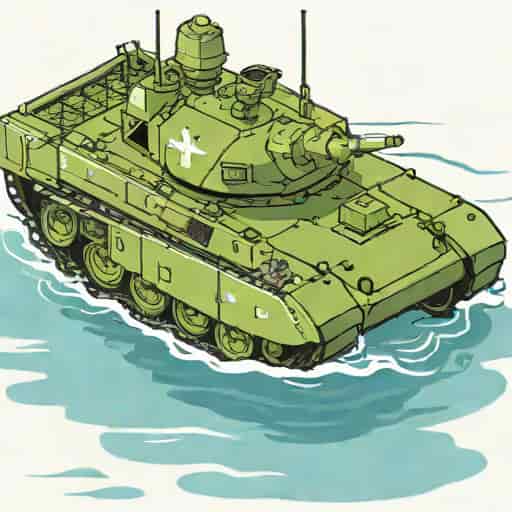
Amphibious assault operations require exceptional physical fitness, mental resilience, and technical skill from soldiers. One critical aspect that often receives less attention is lung capacity, which plays a vital role in activities such as swimming under load, combat diving, and prolonged exposure to stressful environments. Understanding how much lung capacity is required for amphibious assault helps military personnel, trainers, and enthusiasts appreciate the physiological demands of this type of operation. Lung capacity affects a soldier’s ability to perform underwater maneuvers, hold their breath during infiltration or extraction exercises, and maintain stamina while carrying heavy gear in aquatic settings.
What is Lung Capacity?
Lung capacity refers to the maximum amount of air that the lungs can hold, including the volumes used for normal breathing and additional air during exertion. It is typically measured in liters and varies based on age, sex, physical condition, and training level. There are different types of lung volumes, including tidal volume, inspiratory reserve volume, expiratory reserve volume, and residual volume. For amphibious assault, total lung capacity and the ability to control breath are particularly important.
Types of Lung Capacity
- Tidal Volume (TV)The air inhaled and exhaled during normal breathing.
- Inspiratory Reserve Volume (IRV)The extra air that can be inhaled beyond a normal breath.
- Expiratory Reserve Volume (ERV)The extra air that can be exhaled beyond a normal breath.
- Residual Volume (RV)Air that remains in the lungs after a full exhalation, maintaining lung function.
- Total Lung Capacity (TLC)The sum of all lung volumes, representing the maximum air the lungs can hold.
The Role of Lung Capacity in Amphibious Assault
Amphibious assault missions often involve swimming in open water, maneuvering underwater, and performing tasks under high stress while carrying heavy gear. Soldiers must be able to hold their breath for extended periods, maintain oxygen efficiency, and recover quickly between exertion intervals. Lung capacity is therefore a critical component of combat readiness in aquatic environments.
Underwater Maneuvering
During amphibious operations, soldiers may need to swim silently, pass through obstacles, or evade detection. A high lung capacity allows them to hold their breath longer, reducing the need to surface frequently and increasing stealth. This is particularly important during night operations or missions that require covert infiltration.
Combat Diving and Swimming with Gear
Soldiers often wear heavy combat gear, including flak jackets, weapons, and backpacks. Swimming with additional weight increases oxygen consumption and requires greater lung capacity. Training to improve lung function ensures that soldiers can perform repeated aquatic maneuvers without rapid fatigue.
Average Lung Capacity Requirements
There is no universally fixed lung capacity required for all amphibious assault missions, as it depends on factors such as mission duration, water conditions, and soldier fitness. However, research and military training programs suggest that elite military personnel involved in amphibious operations often have lung capacities above average. For adult males, average total lung capacity is around 6 liters, while for females it is approximately 4.2 liters. Specialized training can enhance functional lung capacity and breath-holding ability beyond these baseline values.
Training Standards
- Elite amphibious forces, such as Navy SEALs, often undergo swimming and diving exercises that test and expand lung capacity.
- Breath-hold times in training can range from 60 to 120 seconds under exertion.
- Cardiovascular fitness, combined with respiratory muscle training, significantly improves functional lung capacity.
- Regular underwater drills, sprint swims, and resistance exercises are used to condition the lungs for combat scenarios.
Techniques to Improve Lung Capacity
To meet the demanding requirements of amphibious assault, soldiers and trainees engage in exercises designed to strengthen respiratory muscles and increase total lung volume. These techniques not only improve oxygen intake but also enhance endurance, recovery time, and overall combat performance in water.
Breathing Exercises
- Diaphragmatic breathing to maximize air intake and oxygen efficiency.
- Interval breath-holding exercises to gradually increase tolerance for hypoxia.
- Controlled exhalation techniques to regulate CO2 buildup during exertion.
- Use of resistance breathing devices to strengthen respiratory muscles.
Aquatic Conditioning
Swimming, underwater sprints, and treading water with gear are practical methods to enhance lung capacity. Soldiers practice maintaining a steady oxygen level while performing strenuous aquatic tasks. Over time, these exercises increase lung efficiency and improve the body’s ability to manage oxygen during prolonged exertion.
Impact on Performance and Safety
High lung capacity directly affects a soldier’s performance during amphibious assault. Soldiers with better lung function can hold their breath longer, swim farther, and maintain composure in stressful underwater scenarios. In addition to performance benefits, increased lung capacity contributes to safety by reducing the risk of hypoxia, drowning, and exhaustion during extended aquatic operations.
Stress Management
- Lung capacity allows for better oxygen delivery to the brain, reducing panic during submerged tasks.
- Improved breath control helps soldiers remain calm in high-pressure situations.
- Enhanced lung function supports recovery after intense physical exertion.
Lung capacity is a critical factor for soldiers involved in amphibious assault operations. While average adult lung capacities provide a baseline, specialized training can significantly improve performance for swimming, combat diving, and underwater maneuvering. Effective training involves respiratory muscle conditioning, breath-hold exercises, and aquatic conditioning with gear. Greater lung capacity not only enhances operational effectiveness but also ensures safety and resilience in high-stress aquatic environments. For anyone preparing for or studying the demands of amphibious assault, understanding the role of lung capacity is essential to appreciating the physical and physiological requirements of these complex military operations.