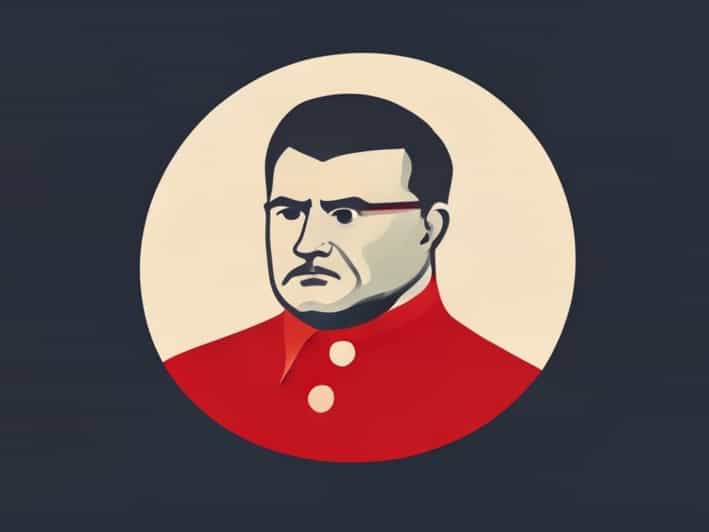
In the late 1960s, Czechoslovakia became the center of one of the most significant reform movements in Cold War Europe. At the heart of this movement was Alexander Dubček, a Communist Party leader who believed socialism did not have to be rigid, oppressive, or disconnected from the needs of ordinary people. When asking how did Dubček want to reform Czechoslovakia, the answer lies in his vision of creating a more humane political system that balanced socialist principles with personal freedom, economic flexibility, and political openness. His ideas challenged the established Soviet model and inspired hope across the country.
The Political Context Before Dubček
Before Dubček came to power, Czechoslovakia was governed by a highly centralized communist system closely aligned with the Soviet Union. Political power was concentrated in the hands of the Communist Party, censorship was strict, and dissent was not tolerated. The economy was centrally planned, which led to inefficiency, stagnation, and declining living standards.
By the mid-1960s, dissatisfaction was growing among workers, intellectuals, students, and even party members. Many believed that reforms were necessary to modernize the economy and restore public trust. This climate created the conditions that allowed Dubček to rise as a reform-minded leader.
Alexander Dubček’s Rise to Leadership
Alexander Dubček became First Secretary of the Communist Party of Czechoslovakia in January 1968. Unlike hardline leaders, he was seen as approachable and open to dialogue. Dubček believed that socialism could be reformed from within rather than dismantled entirely.
His leadership marked the beginning of what became known as the Prague Spring, a period of political liberalization and experimentation that captured international attention.
Socialism with a Human Face
One of Dubček’s most famous ideas was the concept of socialism with a human face. This phrase summarized his belief that socialism should respect human dignity, freedom of expression, and social justice.
Dubček did not want to abolish socialism or leave the communist bloc. Instead, he aimed to make the system more flexible and responsive to citizens’ needs while maintaining public ownership and social equality.
Political Reforms Dubček Proposed
When examining how did Dubček want to reform Czechoslovakia, political changes were a central part of his plan. He believed that a healthier socialist system required openness and accountability.
Reducing Censorship
One of the most immediate reforms was the relaxation of censorship. Newspapers, television, and radio were given more freedom to discuss political issues openly. Writers and journalists could criticize government policies without fear of punishment.
This led to an explosion of public debate and political discussion, something that had been suppressed for years.
Greater Role for Parliament
Dubček wanted to reduce the absolute dominance of the Communist Party by strengthening state institutions like the parliament. While the party would remain influential, it would no longer control every aspect of public life.
This shift aimed to create a more balanced political system without abandoning socialist governance.
Legal Reforms and Rule of Law
Another important goal was to restore trust in the legal system. Dubček supported reforms that would protect citizens from arbitrary arrest and ensure fair trials. These changes were meant to limit abuses of power by state authorities.
Economic Reforms and Decentralization
Dubček understood that political freedom alone was not enough. The economy also needed reform. The centralized planning model had proven inefficient and unresponsive to real conditions.
Introducing Market Elements
Dubček supported economic reforms that allowed limited market mechanisms within a socialist framework. Enterprises would have more autonomy to make decisions based on supply and demand rather than strict government quotas.
This approach was designed to improve productivity, innovation, and consumer satisfaction.
Improving Living Standards
The ultimate goal of economic reform was to raise living standards. Dubček believed socialism should provide not only equality but also prosperity. Better goods, improved services, and higher quality of life were key objectives.
Social and Cultural Freedoms
Social reform was another pillar of Dubček’s vision. He believed that a healthy society required cultural freedom and open intellectual life.
Freedom of Expression and Assembly
Citizens were allowed to express opinions more openly, organize discussions, and participate in public life. Artists, filmmakers, and writers explored themes that had previously been forbidden.
This cultural revival strengthened national identity and public engagement.
Rehabilitation of Past Victims
Dubček also supported the rehabilitation of people who had been unjustly persecuted during earlier political purges. Acknowledging past mistakes was an important step toward rebuilding trust between the state and society.
Foreign Policy and Relations with the Soviet Union
Despite his reforms, Dubček did not intend to leave the Warsaw Pact or abandon socialism. He repeatedly assured Soviet leaders that Czechoslovakia would remain a loyal ally.
However, the Soviet Union and other Eastern Bloc governments viewed the reforms as dangerous. They feared that political liberalization in Czechoslovakia could inspire similar movements elsewhere.
The Limits of Dubček’s Reform Vision
While Dubček’s ideas were popular domestically, they faced serious limitations. He underestimated the level of resistance from Moscow and overestimated how much reform the Soviet leadership would tolerate.
Internally, not everyone supported the pace or direction of change. Conservative party members worried about losing control and stability.
The End of the Prague Spring
In August 1968, Warsaw Pact forces invaded Czechoslovakia, effectively ending the reform movement. Dubček was arrested and later removed from power. Many of his reforms were reversed in a period known as normalization.
Although the Prague Spring was short-lived, its impact was lasting.
Why Dubček’s Reforms Still Matter
Understanding how did Dubček want to reform Czechoslovakia helps explain broader debates about freedom, reform, and authority during the Cold War. His attempt showed that alternative forms of socialism were imaginable, even if they were ultimately suppressed.
Dubček became a symbol of peaceful reform and moral courage. His ideas influenced later movements and remain an important chapter in European history.
Key Goals of Dubček’s Reform Movement
- Political openness and reduced censorship
- Legal protections and rule of law
- Economic decentralization and efficiency
- Cultural freedom and public participation
So, how did Dubček want to reform Czechoslovakia? He envisioned a society where socialism and freedom could coexist, where the state served the people rather than controlled them, and where human dignity was respected. Although his reforms were crushed by external force, the ideals behind them did not disappear. Dubček’s vision continues to represent the hope that political systems can evolve through dialogue, empathy, and courage rather than fear and repression.