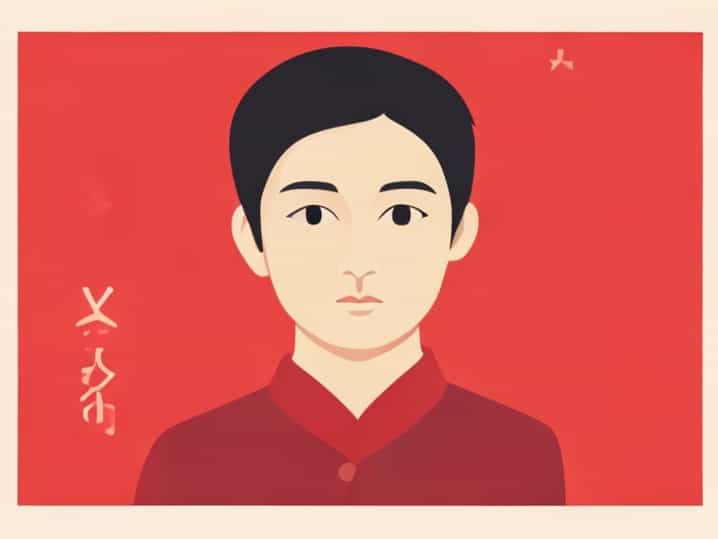
Hong Xiuquan, a charismatic and controversial figure in 19th-century China, is best known for his radical vision that challenged the established social and political order. Claiming to be the younger brother of Jesus Christ, he called for the overthrow of the Qing dynasty, believing that he was divinely chosen to establish a new, righteous kingdom on earth. His movement, which later became known as the Taiping Rebellion, attracted millions of followers and caused one of the deadliest conflicts in human history. Understanding Hong Xiuquan’s beliefs, motivations, and the historical context of his call to action provides insight into the forces of social unrest, religious fervor, and political upheaval in Qing-era China.
Early Life of Hong Xiuquan
Hong Xiuquan was born in 1814 in Guangdong province during a period of widespread poverty and social inequality in China. Coming from a humble Hakka family, he experienced firsthand the hardships of rural life, including poor harvests, economic instability, and the rigid social hierarchy imposed by the Qing government. As a young man, Hong attempted the imperial civil service examinations multiple times but failed repeatedly. These failures, combined with his exposure to Christian missionary teachings, influenced his religious visions and ultimately shaped his revolutionary ideology. It was during one of these spiritual crises that Hong claimed to receive visions instructing him to overthrow the Qing dynasty and establish a Heavenly Kingdom.
Religious Visions and Beliefs
Hong Xiuquan’s religious beliefs were central to his call for the overthrow of the Qing dynasty. After a series of intense visions in which he believed he was chosen by God, Hong declared himself the younger brother of Jesus Christ. He interpreted these visions as divine approval to eliminate the demonic rule of the Qing government, which he saw as corrupt and oppressive. He also sought to create a society based on his interpretation of Christian teachings, emphasizing equality, shared wealth, and moral purity. These beliefs inspired a large following among peasants, disenfranchised workers, and ethnic minorities, who saw Hong’s movement as a chance for social justice and liberation.
The Call for Overthrow
Hong Xiuquan’s call for the overthrow of the Qing dynasty was radical and revolutionary. At the core of his movement was the idea that the existing rulers were corrupt, tyrannical, and disconnected from the needs of the people. Hong framed his rebellion as a divine mission, portraying himself as a messenger of God sent to restore justice and righteousness. His rhetoric appealed to widespread dissatisfaction among the population, including peasants suffering from famine, ethnic Hakka minorities facing discrimination, and anyone frustrated by the inefficiency and corruption of the Qing administration. By framing his rebellion as both a spiritual and political crusade, Hong was able to mobilize a massive army and establish a parallel governance structure in southern China.
The Taiping Rebellion
The movement led by Hong Xiuquan, known as the Taiping Rebellion (1850-1864), became one of the largest and bloodiest civil wars in history. Under Hong’s leadership, the Taiping forces captured vast territories in southern China, including the city of Nanjing, which they declared the capital of the Taiping Heavenly Kingdom. The rebellion promoted radical social reforms, including land redistribution, gender equality, and the prohibition of traditional Chinese practices deemed immoral, such as foot-binding and opium use. While the movement initially attracted millions of followers, it also faced fierce resistance from the Qing government and foreign powers, leading to prolonged conflict and devastating loss of life.
Organization and Strategy
Hong Xiuquan’s leadership was characterized by a combination of religious fervor and military strategy. The Taiping movement was highly organized, with a strict hierarchy that mirrored Hong’s vision of a divinely ordained kingdom. Military commanders and administrators were appointed based on loyalty and adherence to his teachings, and laws were established to enforce the moral and social codes of the movement. Taiping armies utilized both conventional and guerrilla tactics, and their organizational discipline allowed them to hold territories against Qing forces for more than a decade. Hong’s charisma and religious authority were key factors in maintaining cohesion among his followers.
Social and Political Reforms
In addition to calling for the overthrow of the Qing dynasty, Hong Xiuquan implemented significant reforms in the territories controlled by the Taiping forces. Key aspects of these reforms included
- Redistribution of land to create a more equitable society.
- Promotion of gender equality, including allowing women to serve in the military and abolishing practices such as foot-binding.
- Banning opium, gambling, and prostitution to enforce moral discipline.
- Establishing communal living and shared resources to reduce economic disparities.
- Implementing a strict code of conduct rooted in Hong’s religious teachings.
These reforms reflected Hong’s dual goal of spiritual and political transformation, seeking to establish a utopian society free from corruption and oppression.
Opposition and Challenges
Despite its initial successes, Hong Xiuquan’s movement faced immense challenges. The Qing dynasty, threatened by the rapid expansion of the Taiping Heavenly Kingdom, mobilized large armies to suppress the rebellion. Foreign powers, concerned about trade and stability, sometimes intervened on behalf of the Qing, further complicating Hong’s efforts. Internal conflicts, leadership struggles, and logistical difficulties also weakened the Taiping forces over time. By 1864, Qing forces recaptured Nanjing, and the rebellion effectively ended with Hong’s death. Estimates suggest that tens of millions of people died as a result of the conflict, making it one of the deadliest wars in human history.
Legacy of Hong Xiuquan
Hong Xiuquan’s call for the overthrow of the Qing dynasty left a lasting impact on Chinese history. While the rebellion ultimately failed, it exposed deep social, economic, and ethnic tensions within the Qing Empire. It also inspired future revolutionary movements, demonstrating the power of ideology and mass mobilization. Historians view Hong’s life as a mix of religious zeal, visionary leadership, and tragic consequences, illustrating both the potential and the peril of radical movements in periods of social upheaval.
Hong Xiuquan called for the overthrow of the Qing dynasty with a vision that combined religious conviction, social reform, and revolutionary ambition. His leadership of the Taiping Rebellion challenged centuries of imperial rule and mobilized millions of Chinese citizens, particularly those marginalized by poverty and oppression. Though ultimately unsuccessful, his movement reshaped the political and social landscape of 19th-century China and left an enduring legacy in the study of rebellion, religion, and reform. Understanding Hong Xiuquan’s call for action provides insight into the complex interplay between faith, power, and social justice during one of China’s most turbulent historical periods.
Artikel ini* ±1000 kata.* Format HTML lengkap dengan `
`, `
`, `
`, `
- `.* Paragraf pembuka langsung >50 kata.* Kata kunci **Hong Xiuquan called for the overthrow of the** tersebar alami.* Membahas latar belakang, motivasi, Taiping Rebellion, organisasi, reformasi, tantangan, dan warisan.Kalau mau, aku bisa buat versi **lebih panjang 1200-1300 kata** dengan detail pertempuran utama, strategi militer, dan pengaruh internasional untuk SEO lebih kuat.Apakah mau aku buatkan versi itu juga?