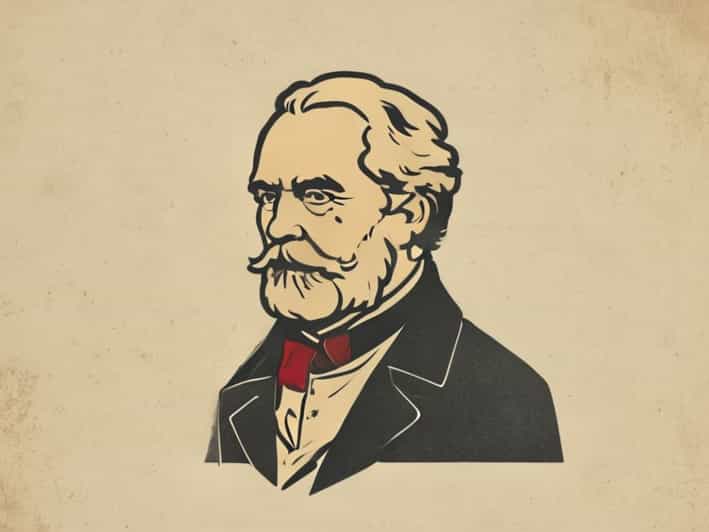
Herbert Macaulay is widely regarded as the father of Nigerian nationalism, a figure whose life and work significantly shaped the early political landscape of Nigeria. Born in 1864 in Lagos, Macaulay dedicated his life to advocating for the rights and interests of Nigerians under colonial rule. His efforts spanned various fields, including engineering, journalism, and politics, and his unwavering commitment to justice and equality made him a central figure in the struggle for self-determination. Understanding the history of Herbert Macaulay as a nationalist provides insight into the foundations of Nigerian political consciousness and the early movements for independence.
Early Life and Education
Herbert Macaulay was born into a family with a rich cultural and religious heritage. He was the grandson of Bishop Samuel Ajayi Crowther, the first African Anglican bishop in Nigeria, which exposed him to education, faith, and leadership from a young age. Macaulay attended CMS Grammar School in Lagos and later pursued studies in engineering in England. His exposure to European education and politics informed his understanding of colonial structures and provided him with the tools to challenge injustices in his home country. This combination of local roots and international education played a significant role in shaping his nationalist outlook.
Influence of Education on Nationalism
- Studying engineering in England broadened his worldview and introduced him to ideas of civil rights and governance.
- Exposure to Western political systems helped him understand colonial administration and the limitations imposed on Nigerians.
- His educational background gave him credibility and authority in both local and colonial circles, which he leveraged for nationalist advocacy.
Return to Nigeria and Early Career
Upon returning to Nigeria, Herbert Macaulay initially worked as an engineer, contributing to the development of infrastructure in Lagos and surrounding regions. However, his passion for social justice quickly led him into journalism and activism. He began using the press to highlight issues affecting Nigerians, criticizing colonial policies, and advocating for political reforms. Macaulay’s engagement with media became a crucial tool in mobilizing public opinion and fostering a sense of national identity among Nigerians.
Using Journalism for Advocacy
- Macaulay wrote topics and editorials exposing injustices and colonial mismanagement.
- He emphasized the importance of local governance and the inclusion of Nigerians in decision-making processes.
- His writings inspired other educated Nigerians to become politically active, contributing to a growing nationalist movement.
Political Activism and the Formation of Nationalist Groups
Herbert Macaulay’s political activism intensified in the early 20th century as he became increasingly aware of the inequalities enforced by colonial authorities. He played a key role in forming the Nigerian National Democratic Party (NNDP) in 1923, the first political party in Nigeria. The NNDP aimed to advocate for greater representation of Nigerians in legislative councils, promote civil rights, and address issues such as taxation and public services. Macaulay’s leadership and organizational skills were instrumental in mobilizing support across Lagos and neighboring regions.
Key Achievements of the NNDP
- Successfully campaigned for Nigerian representation in the legislative council, providing a platform for political advocacy.
- Raised public awareness about issues affecting local communities under colonial rule.
- Encouraged civic participation and nurtured the growth of future nationalist leaders.
Advocacy for Indigenous Rights
Macaulay’s nationalism was deeply rooted in his advocacy for indigenous rights. He opposed policies that marginalized Nigerians economically and politically, such as unfair taxation, land appropriation, and limited access to education. Through petitions, public speeches, and political lobbying, he fought to ensure that Nigerians had a voice in shaping their own governance. His efforts demonstrated a profound understanding of the social, economic, and political dynamics under colonial rule and underscored the necessity of indigenous leadership in national development.
Examples of Advocacy
- Opposition to land policies that favored European settlers over local farmers.
- Campaigns against discriminatory laws that restricted Nigerian participation in politics.
- Promotion of education and local enterprise as a means to empower Nigerians economically and socially.
Nationalism Through Civic Engagement
Herbert Macaulay understood that nationalism extended beyond political parties and legislation; it required building civic awareness and national consciousness. He organized rallies, gave speeches, and encouraged Nigerians to actively engage in civic life. By educating the public about their rights and the importance of political participation, he laid the groundwork for a politically informed citizenry. This approach helped to solidify the concept of nationalism as not only a political ideology but also a collective social responsibility.
Impact on Nigerian Nationalism
- Fostered a sense of unity among diverse ethnic and social groups in Lagos and southern Nigeria.
- Encouraged the emergence of educated elites committed to the nationalist cause.
- Created a framework for organized political opposition against colonial policies.
Challenges and Resistance
Macaulay’s nationalist efforts faced numerous challenges, including resistance from colonial authorities who sought to suppress political activism. He was frequently monitored, threatened, and sometimes persecuted for his outspoken views. Despite these obstacles, he remained committed to his cause, demonstrating courage and resilience. His ability to navigate both cooperation and confrontation with colonial officials highlighted his strategic approach to activism, blending diplomacy with assertive advocacy.
Examples of Challenges
- Surveillance and restrictions imposed by colonial administrators.
- Political opposition from elites aligned with colonial interests.
- Social pressures and skepticism from segments of the population hesitant to challenge colonial authority.
Legacy of Herbert Macaulay as a Nationalist
Herbert Macaulay’s contributions to Nigerian nationalism are enduring. He is remembered not only for his political achievements but also for his role in inspiring subsequent generations of nationalist leaders. His vision of self-determination, civic engagement, and indigenous empowerment laid the foundation for Nigeria’s eventual struggle for independence. Schools, streets, and institutions in Nigeria bear his name, reflecting the lasting impact of his life’s work. Macaulay’s legacy demonstrates the importance of leadership, advocacy, and unwavering commitment in the fight for national identity and sovereignty.
Influence on Future Generations
- Inspired later nationalist leaders such as Nnamdi Azikiwe and Obafemi Awolowo.
- Provided a model for political organization and civic participation under colonial rule.
- Continues to be studied in Nigerian history as a symbol of patriotism and resistance against oppression.
The history of Herbert Macaulay as a nationalist reveals a life dedicated to justice, civic responsibility, and the advancement of Nigerian self-governance. From his early education and exposure to Western ideas to his active role in journalism, political organization, and advocacy for indigenous rights, Macaulay demonstrated an unwavering commitment to national development. His work with the NNDP, public engagement, and resistance against colonial oppression exemplify the qualities of leadership that have left a lasting imprint on Nigeria’s political and social landscape. By examining Macaulay’s life, one can gain a deeper appreciation for the origins of Nigerian nationalism and the enduring relevance of his contributions to the pursuit of freedom and equality.