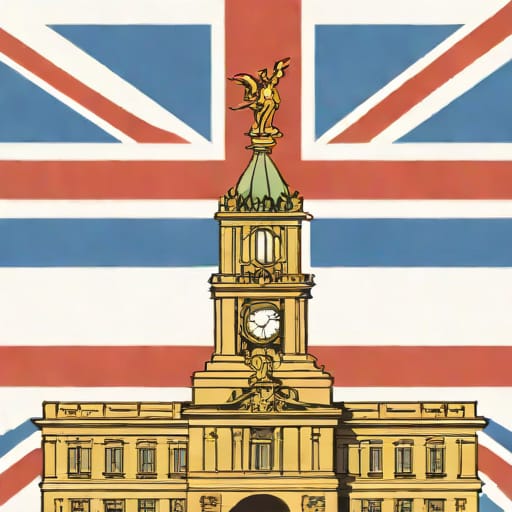
The sight of the Union Flag flying at half-mast above Buckingham Palace is a powerful symbol, evoking deep emotions and signaling moments of national mourning, respect, or solemn remembrance. This tradition, observed at royal residences and government buildings across the United Kingdom, carries significant meaning, representing a gesture of collective grief and reflection. The practice of lowering the flag at Buckingham Palace often coincides with the passing of members of the royal family, prominent national figures, or in response to tragic events that affect the country or the wider world. For many, the half-mast flag is not merely a visual signal, but a symbol of shared experience, unity, and reverence during times of sorrow.
Historical Significance of Flying Flags at Half Mast
The custom of flying a flag at half-mast dates back several centuries and has long been associated with mourning and respect. In the context of Buckingham Palace, the half-mast flag serves as a visual acknowledgment of important events that call for national attention. The British monarchy has historically used this practice to honor the memory of deceased royals, statesmen, or notable citizens who have made significant contributions to society. The act of lowering the flag is both ceremonial and symbolic, offering a moment for the public to collectively recognize the gravity of loss or commemorate historical events.
Protocol and Guidelines
Flying the flag at Buckingham Palace is governed by strict protocol to ensure the correct expression of respect and solemnity. The Union Flag, which represents the United Kingdom, is typically lowered to a position two-thirds of the way up the flagpole. This practice is not arbitrary; it is carefully calibrated to maintain visibility while signaling a period of mourning. The decision to fly the flag at half-mast may be initiated by the royal household, the Prime Minister, or relevant government authorities, depending on the nature of the event. The protocol also outlines specific occasions for raising and lowering the flag, ensuring consistency in the symbolic language of national observance.
Occasions for Half-Mast Observances
There are several circumstances in which Buckingham Palace may lower its flag. The most common occasion is the death of a senior member of the royal family. In such instances, the half-mast flag not only communicates mourning within the royal household but also signals to the public that the nation shares in the grief. Additionally, the flag may be lowered following the death of a serving Prime Minister, notable political leader, or other prominent figures whose contributions have had a lasting impact on the country. National tragedies, such as major accidents or terrorist attacks, can also prompt a period of half-mast observance, reflecting collective sorrow and solidarity.
Public Reaction and Media Coverage
The lowering of the flag at Buckingham Palace often attracts attention from media outlets and the public. It serves as a focal point for collective mourning and remembrance, with citizens and visitors pausing to reflect on the significance of the occasion. Photographs of the flag at half-mast are widely shared in news reports and on social media, amplifying the symbolic message. The public reaction to this gesture is generally one of respect, with individuals recognizing the flag as a poignant reminder of loss, unity, and the shared values of the nation.
Symbolism and Meaning
The half-mast flag is more than just a visual cue; it is imbued with layers of symbolism. Lowering the flag signifies humility, reverence, and mourning, creating a visual expression of collective grief. It also acts as a reminder of mortality, responsibility, and the enduring legacy of those being honored. In the context of Buckingham Palace, the half-mast flag reinforces the role of the monarchy as a unifying symbol for the nation. It bridges the gap between the royal household and the public, fostering a shared experience of reflection and remembrance during moments of national significance.
Impact on National Consciousness
Observing the half-mast flag at Buckingham Palace has a profound impact on national consciousness. It encourages citizens to pause and acknowledge events that shape the history and identity of the United Kingdom. By providing a visible symbol of mourning and respect, the flag helps to unite the public in times of grief. Schools, businesses, and local authorities often respond in parallel, marking the occasion through moments of silence or commemorative activities. This collective recognition strengthens a sense of community and reinforces the shared values that underpin national identity.
Variations in Practice
While Buckingham Palace is the most recognized location for flying the Union Flag at half-mast, other royal residences, government buildings, and public institutions follow similar practices. Variations in timing, duration, and specific positioning may occur depending on the circumstances. For instance, the flag may be lowered immediately upon the announcement of a death and remain in place until after the funeral or state ceremony. Internationally, the practice of half-mast observances varies by country, but the underlying principle of honoring the deceased and demonstrating respect is a common thread. Buckingham Palace remains a central and highly visible site for these ceremonies, emphasizing its significance in British public life.
Educational and Cultural Perspectives
The practice of flying the flag at half-mast also offers educational and cultural insights. Students, historians, and the general public can learn about national protocol, symbolism, and the role of ceremonial gestures in society. Museums, educational programs, and media coverage often provide context for these observances, explaining the historical and cultural relevance of the half-mast flag. Understanding the meaning behind the gesture enriches public appreciation and highlights the importance of ceremonial practices in maintaining national memory and tradition.
The sight of the Union Flag at half-mast above Buckingham Palace is a powerful and enduring symbol of respect, mourning, and national unity. It connects the monarchy to the public, reflecting collective grief and remembrance during significant events. Whether honoring the memory of a royal, a political leader, or responding to a national tragedy, the half-mast flag embodies shared values and cultural continuity. Beyond its ceremonial role, it fosters reflection, solidarity, and education, making it a meaningful and poignant practice in British society. Buckingham Palace, as the focal point for this tradition, stands as a reminder of the monarchy’s symbolic role in the life of the nation, providing a visible and unifying expression of respect, reverence, and collective memory.