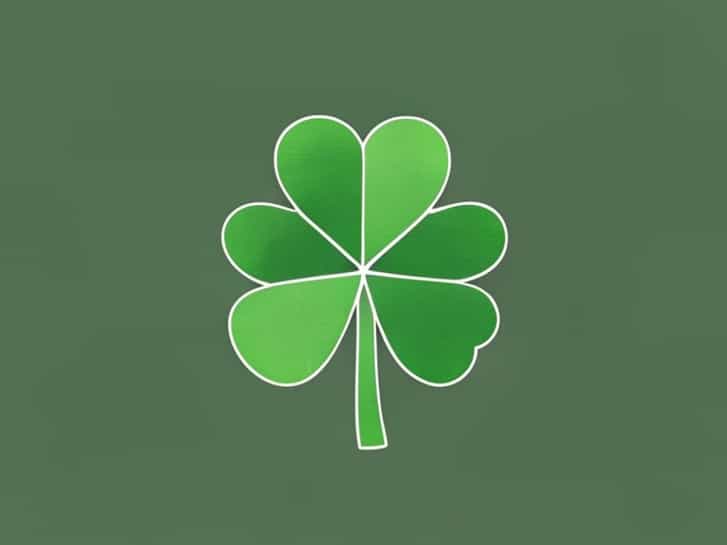
The green shamrock is one of the most recognizable national symbols in the world, often seen on flags, souvenirs, clothing, and celebrations. Many people immediately associate it with a specific country, yet not everyone knows why this small three-leaf plant carries such deep meaning. Understanding which country the green shamrock represents requires exploring history, culture, religion, and national identity, all of which have shaped its symbolism over centuries.
The Country Represented by the Green Shamrock
The green shamrock is the national symbol of Ireland. It is closely linked to Irish heritage, identity, and tradition, both within the country and among Irish communities around the world.
Why Ireland Is Associated with the Shamrock
Ireland’s landscape is famously green, and the shamrock grows naturally across the countryside. Over time, this humble plant became a powerful representation of Irish culture, resilience, and pride.
The shamrock is now widely recognized as a visual shorthand for Ireland itself.
What Is a Shamrock?
The word shamrock comes from the Irish wordseamróg, which means young clover. It usually refers to a small plant with three leaves, though it is often mistaken for a four-leaf clover.
Three Leaves, Not Four
A traditional shamrock has three leaves. The four-leaf clover is rare and considered a symbol of luck, but it is not the national symbol of Ireland.
- Shamrock three leaves, national symbol
- Four-leaf clover rare, symbol of luck
This distinction is important in understanding Irish symbolism.
Religious Significance of the Shamrock
The shamrock gained deeper meaning through its association with Christianity, particularly through Saint Patrick, the patron saint of Ireland.
Saint Patrick and the Holy Trinity
According to tradition, Saint Patrick used the three leaves of the shamrock to explain the concept of the Holy Trinity the Father, the Son, and the Holy Spirit.
This simple teaching tool helped spread Christian beliefs in Ireland and strengthened the shamrock’s symbolic value.
The Shamrock in Irish History
Over time, the shamrock evolved from a religious symbol into a political and cultural one.
A Symbol of Irish Identity
During periods of foreign rule and political struggle, the shamrock became a sign of Irish unity and resistance. Wearing a green shamrock was a quiet way to express national pride.
- Used during cultural revival movements
- Associated with Irish nationalism
- Represented unity and hope
The plant carried meaning far beyond its appearance.
The Color Green and Its Connection to Ireland
The shamrock is almost always shown in green, which reinforces its connection to Ireland.
Why Green Matters
Green represents Ireland’s lush landscape, often referred to as the Emerald Isle. It also became associated with Irish political movements and national celebrations.
The combination of green and the shamrock creates a strong visual identity that is instantly recognizable worldwide.
The Shamrock and St. Patrick’s Day
One of the most visible appearances of the green shamrock is during St. Patrick’s Day celebrations.
A Global Symbol on March 17
On St. Patrick’s Day, people wear green shamrocks, decorate cities with green colors, and celebrate Irish culture through music, parades, and food.
- Worn on clothing and accessories
- Used in decorations and logos
- Symbol of Irish heritage worldwide
The shamrock connects people of Irish descent across the globe.
The Shamrock in Modern Ireland
Today, the shamrock continues to be an important national emblem of Ireland.
Official and Informal Use
The shamrock appears on official government documents, tourism branding, and sports uniforms. It is also commonly seen in everyday life, from souvenirs to business logos.
This ongoing use keeps the symbol relevant and meaningful.
The Shamrock in Irish Sports and Organizations
Many Irish sports teams and organizations incorporate the shamrock into their logos and uniforms.
Representing the Nation on the World Stage
Internationally, the shamrock helps identify Irish teams and athletes. It symbolizes teamwork, heritage, and national pride.
This reinforces Ireland’s identity in global events.
Misconceptions About the Shamrock
Despite its popularity, there are common misunderstandings about the green shamrock.
Common Confusions
- Confusing the shamrock with a four-leaf clover
- Assuming it represents luck only
- Believing it is a modern invention
In reality, the shamrock’s meaning is deeply rooted in Irish history and culture.
Why the Shamrock Endures as a Symbol
The simplicity of the shamrock contributes to its lasting power. It is easy to recognize, easy to reproduce, and rich in meaning.
A Symbol That Connects Past and Present
The shamrock links Ireland’s ancient traditions with its modern identity. It reflects nature, faith, resilience, and unity in a single image.
This balance makes it timeless.
The Shamrock Beyond Ireland
Irish emigrants carried the shamrock with them around the world. Today, it is a symbol of Irish heritage in many countries.
The Irish Diaspora
From North America to Australia, the green shamrock represents cultural roots and shared history for Irish communities abroad.
It serves as a reminder of home and identity.
The green shamrock is the national symbol of Ireland, representing far more than a simple plant. Through its connections to nature, religion, history, and national pride, it has become an enduring emblem of Irish identity. From its association with Saint Patrick to its role in modern celebrations and global culture, the shamrock continues to symbolize unity, resilience, and heritage. Its green color and three-leaf form make it instantly recognizable, ensuring that Ireland’s story is told through this small but powerful symbol wherever it appears.