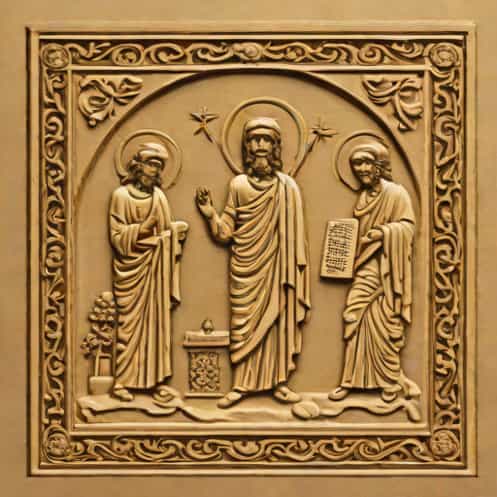
Greek epigraphy, the study of inscriptions engraved on durable materials such as stone, metal, or pottery, offers a unique window into the religious, social, and political life of ancient Greece. Through these inscriptions, scholars can uncover not only the names of gods and the rituals devoted to them but also the practical organization of religious activities, dedications, and festivals. Unlike literary sources, which often provide a selective or idealized view of Greek religion, epigraphic evidence offers direct, contemporary accounts of how ordinary people and civic authorities engaged with the divine. Studying Greek epigraphy alongside religion reveals the deep interconnections between civic life, personal devotion, and the pantheon of gods that shaped daily life in the classical world.
The Nature of Greek Epigraphy
Epigraphy involves analyzing inscriptions that have survived on stone stelae, temple walls, altars, votive offerings, and public monuments. These inscriptions are typically concise, formalized, and durable, designed to last for centuries. They may commemorate victories, honor civic benefactors, record decrees, or detail religious dedications. Because inscriptions were often public and permanent, they provide evidence not only of individual piety but also of institutionalized religious practices within city-states. Greek epigraphy allows modern scholars to reconstruct aspects of ritual, devotion, and religious hierarchy that would otherwise be lost in the absence of literary documentation.
Types of Inscriptions Related to Religion
Greek religious inscriptions can be broadly categorized based on their purpose and content
- Votive InscriptionsThese inscriptions commemorate offerings to gods, often expressing gratitude or seeking favor. They might be found on statues, altars, or other dedications.
- Decrees and Public RecordsCity-states often issued official decrees honoring gods or regulating religious festivals, priestly appointments, or temple maintenance.
- Funerary InscriptionsWhile primarily commemorating the dead, these often contain religious elements, invoking deities or expressing beliefs about the afterlife.
- Honorific InscriptionsThese honor individuals who contributed to religious or civic life, highlighting the interconnectedness of piety and public service.
Each type of inscription provides distinct insights into how religion functioned both privately and publicly in ancient Greek communities.
Greek Religion in Practice
Religion in ancient Greece was deeply integrated into every aspect of life, from politics to personal milestones. The Greek pantheon included major Olympian gods, local deities, heroes, and ancestral spirits, each receiving specific forms of worship and attention. Inscriptions document this diversity of devotion, revealing the widespread practice of rituals such as sacrifices, libations, festivals, and prayers. They also indicate the presence of priestly offices, religious hierarchies, and civic oversight of cultic activities. Epigraphy thus allows historians to trace the organization of religious life, showing both the formalized structure of public worship and the more personal expressions of faith.
Votive Offerings and Dedications
Many Greek inscriptions record the dedication of votive offerings to gods, reflecting gratitude, supplication, or fulfillment of vows. For example, inscriptions on statues or small altars might read Dedicated to Athena by the citizens of [city] in thanks for victory, highlighting both divine favor and civic pride. These inscriptions provide a tangible record of the reciprocal relationship between mortals and the divine, illustrating the importance of ritual reciprocity in Greek religious thought. They also shed light on the material culture of religion, showing the variety of objects offered and the craftsmanship involved in creating sacred dedications.
Religious Festivals and Civic Life
Greek epigraphy frequently mentions festivals, processions, and sacrifices conducted in honor of gods. Festivals such as the Panathenaia in Athens or the Delia on Delos were not only religious events but also major social and political occasions. Inscriptions recording decrees related to these festivals detail the organization, funding, and regulation of the events, demonstrating the close connection between civic institutions and religious practice. Through such epigraphic evidence, scholars gain insight into how communal identity, political power, and religious devotion were intertwined in the Greek world.
Priesthoods and Religious Offices
Inscriptions also illuminate the roles of priests, priestesses, and other religious functionaries who administered cultic activities. Epigraphic records often specify who held particular religious offices, their duties, and occasionally their compensation or privileges. This information reveals a structured religious hierarchy and indicates the importance of religious professionals in maintaining temples, performing rituals, and ensuring proper observance of sacred laws. Such inscriptions help reconstruct the administrative and social framework of Greek religion, showing how civic and religious responsibilities overlapped.
Honorific and Commemorative Inscriptions
Beyond recording rituals and priestly duties, Greek inscriptions also honor individuals for their contributions to religious life. Citizens who funded temple construction, sponsored festivals, or served faithfully as priests might be publicly recognized through carved inscriptions. These honorific inscriptions provide evidence of the social rewards associated with piety, illustrating how religious devotion could enhance status and prestige within the community. They also reflect the cultural value placed on generosity and public service as integral components of Greek religious practice.
The Intersection of Religion and Politics
Greek epigraphy demonstrates that religion was rarely separate from civic governance. Religious decrees, temple regulations, and festival organization were often matters of public record, showing that political authorities actively shaped religious life. For instance, inscriptions might record decisions about temple repairs, sacrificial quotas, or funding allocations for cultic activities. Such records reveal that religion was both a spiritual and social institution, serving as a tool for civic cohesion, political legitimacy, and community identity.
Religious Law and Civic Decrees
Many inscriptions include legal language regulating religious practice. Decrees might forbid certain acts, prescribe sacrifices, or outline punishments for impiety. These epigraphic texts provide concrete examples of how religious law functioned alongside secular law, reinforcing moral and social norms. They also highlight the accountability mechanisms built into civic and religious systems, showing that devotion was expected to align with communal rules and ethical standards.
Epigraphy as a Historical Source
Studying Greek epigraphy allows modern scholars to access primary sources that often predate or complement literary texts. Inscriptions capture contemporary events, everyday practices, and specific local traditions that may be absent from surviving literature. They offer a direct window into ancient society, preserving the voices of citizens, officials, and devotees who might otherwise be forgotten. In combination with archaeology and textual analysis, epigraphy provides a multidimensional view of Greek religion, enhancing our understanding of its complexity, regional variation, and societal impact.
Challenges in Interpretation
While epigraphy is invaluable, it also presents challenges. Inscriptions may be fragmentary, weathered, or incomplete, requiring careful reconstruction and contextualization. Scholars must also interpret symbolic language, dedications, and abbreviations that might have been clear to contemporary audiences but are obscure today. Despite these difficulties, the systematic study of inscriptions allows for reliable insights into religious practices, civic organization, and social hierarchies in ancient Greece.
Greek epigraphy provides a vital lens through which we can explore the religious life of ancient Greece. Inscriptions reveal the intimate connection between divine worship and civic responsibility, showing how ordinary citizens, religious officials, and political authorities collaborated to maintain communal piety. From votive dedications and festival regulations to priestly records and honorific inscriptions, epigraphy documents the diverse ways in which religion permeated Greek society. By studying these texts, scholars gain not only historical knowledge but also a deeper appreciation of the cultural, social, and spiritual dimensions of Greek religion. Ultimately, Greek epigraphy underscores the enduring significance of inscriptions as tangible witnesses to the beliefs, values, and practices that shaped one of history’s most influential civilizations.