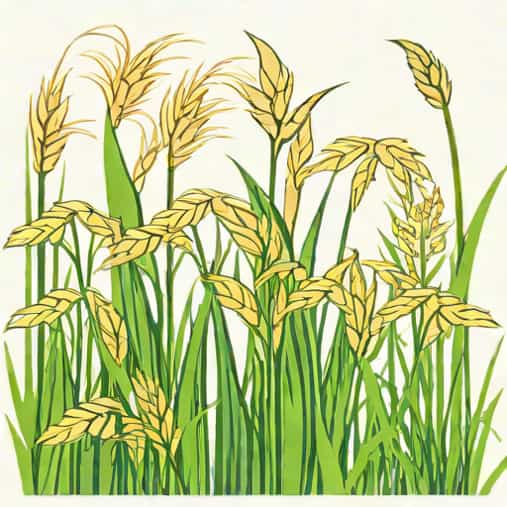
Across human history, few plant groups have been as important to survival and civilization as grasses grown for their seeds. These plants quietly shape daily meals, global trade, and even cultural traditions. When people ask what grasses cultivated for their seeds are called, they are often surprised to learn how broad and essential this category really is. From bread and rice to animal feed and industrial products, these seed-producing grasses influence nearly every aspect of modern life.
What Grasses Cultivated for Their Seeds Are Called
Grasses cultivated for their seeds are called cereals. The term cereal refers to edible grains produced by members of the grass family, scientifically known as Poaceae. These grains are harvested primarily for human consumption, though many also serve as animal feed and raw materials for various industries.
Cereals are among the earliest domesticated crops, and they remain the backbone of global agriculture. Their seeds are rich in carbohydrates, making them an efficient and reliable energy source.
Understanding the Grass Family
The grass family is one of the largest and most widespread plant families on Earth. While many grasses grow wild or are used for lawns and grazing, only certain grasses are cultivated specifically for their seeds.
Cereal grasses have been selectively bred over thousands of years to produce larger seeds, stronger stalks, and higher yields. This process transformed wild grasses into dependable food crops.
Key characteristics of cereal grasses
- They produce edible seeds known as grains
- They grow well in diverse climates
- They mature relatively quickly
- They can be stored for long periods
Common Examples of Cereal Crops
When discussing grasses cultivated for their seeds, several familiar crops immediately come to mind. These cereals form the foundation of diets around the world.
Major cereal grains
- Wheat
- Rice
- Maize (corn)
- Barley
- Oats
- Sorghum
- Millet
Each of these cereals has unique growing requirements and culinary uses, but all share the common trait of being grasses grown primarily for their seeds.
Why Cereals Became Essential to Human Civilization
The cultivation of cereal grasses marked a turning point in human history. Early societies shifted from hunting and gathering to settled farming once they learned to grow and store grains.
Cereals could be harvested in large quantities and stored for months or even years. This stability allowed populations to grow and led to the development of cities, trade systems, and complex cultures.
Nutritional Value of Cereal Grains
Cereal grains are valued mainly for their energy content. They are rich in carbohydrates, particularly starch, which provides fuel for daily activities.
In addition to carbohydrates, many cereals contain protein, fiber, vitamins, and minerals. Whole grains, which retain the bran and germ, are especially beneficial for health.
Typical nutrients found in cereals
- Complex carbohydrates
- Dietary fiber
- B vitamins
- Iron and magnesium
- Plant-based protein
Cereals Versus Other Seed Crops
Not all seed-producing plants are cereals. Legumes, such as beans and lentils, are also grown for their seeds, but they belong to a different plant family.
The key distinction is that cereals are grasses, while legumes are not. This botanical difference affects how the plants grow, how they enrich the soil, and how their seeds are used nutritionally.
How Cereals Are Cultivated
Cereal cultivation typically involves planting seeds in prepared soil, providing adequate water, and controlling pests and weeds. Modern farming often uses machinery to increase efficiency.
Harvesting occurs when the seeds reach maturity and moisture levels are suitable for storage. After harvest, grains are cleaned, dried, and processed depending on their intended use.
Processing Cereal Grains
Once harvested, cereal grains may undergo several processing steps. Some are consumed whole, while others are milled into flour or other products.
Processing can affect nutritional value. Whole grains retain more nutrients, while refined grains have some components removed to improve texture and shelf life.
Global Importance of Cereal Crops
Cereals account for a large percentage of global calorie intake. In many regions, a single cereal crop dominates the local diet, such as rice in Asia or maize in parts of Africa and the Americas.
International trade in cereal grains plays a major role in food security, making these grasses cultivated for their seeds economically significant as well as nutritionally vital.
Cereal Crops and Animal Feed
Beyond human consumption, cereals are widely used as animal feed. Livestock such as cattle, poultry, and pigs rely on grains like maize and barley for energy.
This dual use increases demand for cereal crops and influences agricultural planning worldwide.
Environmental Considerations
Growing cereals on a large scale has environmental impacts, including soil depletion, water use, and greenhouse gas emissions. Sustainable farming practices aim to reduce these effects.
Crop rotation, improved seed varieties, and efficient irrigation are among the methods used to make cereal cultivation more environmentally friendly.
The Role of Cereals in Modern Diets
In modern diets, cereals appear in countless forms, including bread, pasta, breakfast cereals, and snacks. They provide a convenient and affordable source of energy.
Nutrition experts often recommend choosing whole-grain cereal products to maximize health benefits.
Misconceptions About Cereal Grains
Some people associate the word cereal only with packaged breakfast foods. In reality, the term refers broadly to grasses cultivated for their seeds.
Understanding this definition helps clarify discussions about agriculture, nutrition, and food systems.
The Future of Cereal Cultivation
As the global population grows, demand for cereal grains continues to rise. Researchers are working to develop varieties that yield more grain, resist disease, and tolerate climate stress.
Innovation in cereal agriculture will be essential to ensuring long-term food security.
Why the Term Matters
Knowing that grasses cultivated for their seeds are called cereals helps build a clearer understanding of food origins. It connects everyday meals to agriculture and plant science.
This simple definition opens the door to deeper appreciation of the crops that sustain humanity.
Grasses cultivated for their seeds are called cereals, and they are among the most important plants on Earth. From wheat and rice to maize and barley, cereal crops have shaped human history, diets, and economies. Their adaptability, nutritional value, and storability make them indispensable. By understanding what cereals are and why they matter, it becomes easier to appreciate the quiet but powerful role these grasses play in feeding the world.