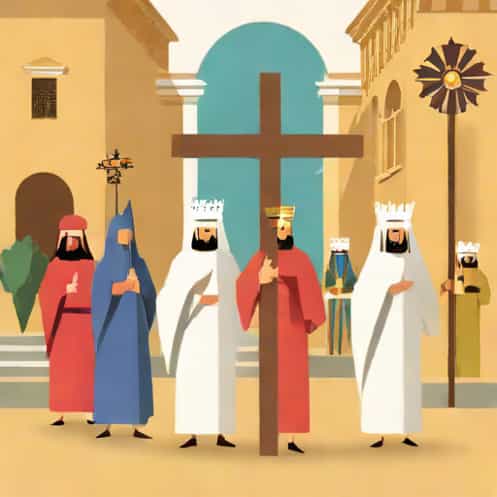
The Good Friday procession in Malta is one of the most significant religious events on the island, drawing thousands of locals and tourists alike. Celebrated annually, this solemn procession commemorates the crucifixion and death of Jesus Christ, reflecting Malta’s deep-rooted Catholic traditions and devotion. The event is marked by elaborate ceremonies, intricate statues, and a palpable sense of reverence that fills the streets of towns and villages across the country. From early morning preparations to the evening processions, Good Friday in Malta offers a unique glimpse into the island’s cultural and religious heritage.
Historical Background
The Good Friday procession in Malta has a history that dates back several centuries. Introduced during the period of the Knights of St. John, the event was designed to reinforce religious devotion and provide the faithful with a visual representation of Christ’s passion. Over time, the processions have evolved, incorporating baroque-style statues, traditional music, and ceremonial rituals. Each locality in Malta has its own way of celebrating, often reflecting the historical and cultural characteristics of the area. The continuity of this tradition highlights the enduring importance of religion in Maltese society.
The Role of the Church
The Roman Catholic Church plays a central role in organizing the Good Friday processions. Priests, parish councils, and local volunteers work together to coordinate the event, ensuring that the route, prayers, and ceremonial aspects are conducted with solemnity and precision. Churches are decorated with candles, flowers, and religious icons, creating an atmosphere of reflection and reverence. Masses and special prayers are held throughout the day, culminating in the evening procession that is both visually stunning and spiritually moving.
Key Elements of the Procession
The Good Friday procession in Malta is distinguished by several key elements that make it a unique and memorable experience. Central to the event are the statues and tableaux that depict scenes from the Passion of Christ. These statues are often handcrafted by local artisans and carried through the streets by devoted participants. The processions also feature participants dressed in traditional robes, some carrying crosses or other religious symbols. Music, particularly solemn hymns and drums, accompanies the procession, enhancing the emotional impact of the event.
Statues and Floats
- Each procession includes intricately designed statues representing Jesus, the Virgin Mary, and other figures from the Passion narrative.
- Some towns feature floats that are elaborately decorated with flowers, candles, and symbolic items, showcasing the artistic talent of local communities.
- These statues are carried through the streets on wooden platforms, often requiring multiple people to bear their weight, reflecting devotion and commitment.
Participants and Community Involvement
Community involvement is a hallmark of the Good Friday processions in Malta. Participants include members of confraternities, church choirs, and local residents who volunteer to carry statues, lead prayers, or organize the route. Many families pass down the responsibility of participating in the procession through generations, creating a sense of continuity and shared purpose. The involvement of children and young people ensures that the tradition remains alive and vibrant, bridging the past and future of Maltese religious culture.
Regional Variations
While the essence of the Good Friday procession remains consistent throughout Malta, each region offers its own distinctive interpretation. Valletta, the capital, hosts a grand and solemn procession that attracts tourists and locals alike. In smaller towns such as Rabat and Mdina, the processions are more intimate but equally profound, often involving unique local rituals and traditions. The diversity of celebrations across the island demonstrates the rich cultural tapestry of Malta and the adaptability of religious traditions to different communities.
Special Traditions
- In some villages, participants walk barefoot as a form of penance, reflecting humility and devotion.
- Communities may observe moments of silence or pause at specific stations along the route to meditate on Christ’s suffering.
- Locals often prepare traditional foods and refreshments for those attending the procession, fostering a sense of hospitality and communal spirit.
The Spiritual Significance
The Good Friday procession in Malta is not merely a visual spectacle; it is a deeply spiritual event that encourages reflection, prayer, and connection to faith. The act of participating, whether as a marcher, statue carrier, or observer, allows individuals to engage with the story of the Passion in a personal and communal way. For many Maltese people, the procession is an opportunity to express gratitude, seek forgiveness, and renew their commitment to spiritual values. It also serves as a reminder of the moral and ethical teachings of Christianity, reinforcing the importance of compassion, sacrifice, and devotion.
Impact on Tourism
The Good Friday processions attract numerous visitors from around the world, eager to witness Malta’s unique religious traditions. Tourists often travel specifically to participate in or observe these events, contributing to the local economy and cultural exchange. Hotels, restaurants, and local businesses benefit from the influx of visitors, while the processions themselves offer an authentic cultural experience. Visitors gain insight into Maltese history, religious practice, and community life, making the event both spiritually and culturally enriching.
Preparation and Timing
Preparation for the Good Friday processions begins weeks in advance. Churches and local organizations coordinate the creation and maintenance of statues, route planning, and participant schedules. Candles, flowers, and other decorations are arranged meticulously, ensuring that the procession conveys the intended solemnity and reverence. On Good Friday itself, processions typically take place in the late afternoon or evening, allowing for dramatic lighting and creating a powerful visual impact as the statues move through illuminated streets.
The Good Friday procession in Malta is a profound blend of faith, culture, and community. It stands as a testament to the island’s enduring Catholic heritage, artistic traditions, and strong sense of communal identity. From the carefully crafted statues and solemn music to the participation of generations of locals, the procession encapsulates the spiritual and cultural heart of Malta. Observing or participating in the event offers a unique opportunity to experience the depth of devotion, the richness of tradition, and the vibrancy of Maltese culture. Good Friday in Malta is more than a religious observance; it is a living tradition that continues to inspire, unite, and captivate all who witness it.