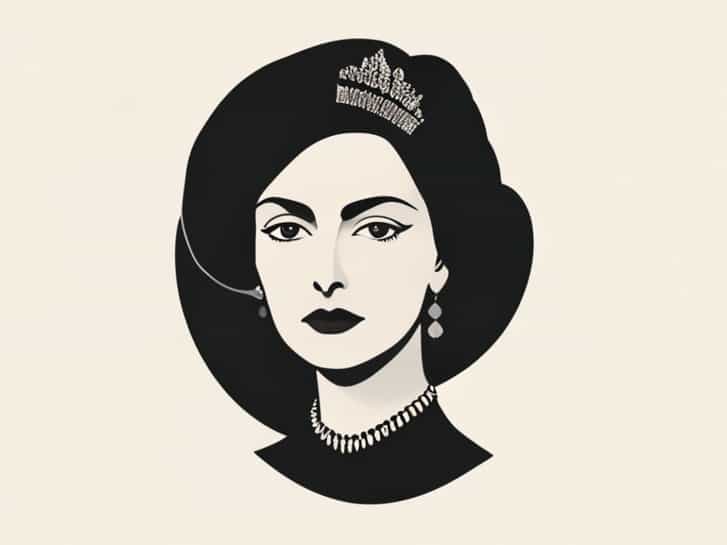
The question about the given name of the first Countess Mountbatten often arises among readers interested in British royal history and notable aristocratic figures. Titles can sometimes overshadow personal identities, making people curious about the individuals behind them. In this case, the title of Countess Mountbatten is closely connected to a woman who played a significant role in social, political, and humanitarian circles during the twentieth century. Understanding her given name is only the starting point to appreciating her wider influence and legacy.
The Given Name of the First Countess Mountbatten
The given name of the first Countess Mountbatten was Edwina. Her full name was Edwina Cynthia Annette Ashley. She became known as Edwina, Countess Mountbatten of Burma, after her husband, Louis Mountbatten, was granted the title Earl Mountbatten of Burma in 1947.
The name Edwina itself has Old English origins and conveys a sense of heritage and tradition, fitting well with her aristocratic background and prominent public role.
Who Was Edwina Ashley?
Before becoming the Countess Mountbatten, Edwina Ashley was already a woman of considerable status and wealth. Born into a privileged family, she inherited a large fortune from her grandfather, which later allowed her to support numerous charitable and social causes.
Her given name, Edwina, became widely recognized not only because of her title but also because of her strong personality and public presence.
Marriage and the Mountbatten Title
Edwina married Louis Mountbatten in 1922. At that time, he was a rising naval officer and a member of the British royal family. Their marriage brought together ambition, influence, and wealth.
When Louis Mountbatten was later created Earl Mountbatten of Burma, Edwina automatically became the first Countess Mountbatten of Burma. From that point on, her given name Edwina was closely associated with the Mountbatten title.
Why the Title First Countess Mountbatten Matters
The designation first Countess Mountbatten is important because it marks the beginning of a new noble title rather than the continuation of an older one. Edwina was the first woman to hold this specific countess title, giving her a unique place in British aristocratic history.
Her role was not ceremonial alone. She actively shaped how the title was perceived by the public through her actions and commitments.
Edwina’s Role in Public Life
Edwina, Countess Mountbatten, was deeply involved in public service. During World War II, she worked extensively with welfare organizations and played a key role in supporting military personnel and civilians.
Her dedication helped redefine what it meant to be a countess in the modern age, moving beyond formality into hands-on service.
Humanitarian Contributions
Edwina used her resources and influence to support hospitals, relief efforts, and social welfare programs. Her work was especially notable during times of crisis, when she demonstrated leadership and compassion.
Edwina Mountbatten and India
One of the most significant chapters in Edwina’s life was her time in India. When her husband became the last Viceroy of India, she served as Vicereine during a period of enormous political and social change.
Her given name, Edwina, became familiar to many in India due to her visible role in relief work during the partition of India.
A Modern Countess
Edwina, Countess Mountbatten, challenged traditional expectations of aristocratic women. She was outspoken, independent, and deeply engaged with the world around her.
This modern approach made her both admired and controversial, but it ensured that her name remained prominent in historical discussions.
The Personal Identity Behind the Title
While the title Countess Mountbatten carries weight, Edwina’s given name reflects her individuality. Those who knew her often referred to her simply as Edwina, emphasizing her personal relationships over her formal status.
This balance between personal identity and public role contributed to her lasting influence.
Why People Search for the Given Name
Searches for the given name of the first Countess Mountbatten often come from students, history enthusiasts, and readers encountering her title in books or documentaries. Titles can be confusing, especially when multiple generations share similar names.
Knowing that her given name was Edwina helps clarify historical records and personal narratives.
Edwina’s Legacy
Edwina’s legacy extends beyond her title. She is remembered for her humanitarian work, her role during the end of British rule in India, and her influence on modern perceptions of aristocratic responsibility.
The name Edwina remains closely tied to these contributions.
Key Facts About Edwina, Countess Mountbatten
-
Her given name was Edwina.
-
She was born Edwina Cynthia Annette Ashley.
-
She became the first Countess Mountbatten of Burma in 1947.
-
She was deeply involved in humanitarian and social work.
-
She played a significant role during the partition of India.
The Importance of Names in History
Understanding the given names of historical figures helps humanize them. In Edwina’s case, knowing her given name allows readers to see her not just as a title-holder, but as a person with agency and individuality.
Names often carry personal stories that titles alone cannot convey.
Edwina’s Influence on Future Generations
Edwina, the first Countess Mountbatten, set an example for future aristocratic women by embracing active public service. Her approach influenced how noble titles could be used as platforms for meaningful change.
Her given name continues to appear in biographies, historical studies, and discussions of twentieth-century leadership.
The given name of the first Countess Mountbatten was Edwina, a name that has become synonymous with compassion, service, and modern aristocratic influence. Far more than a formal title, Edwina’s identity shaped how the role of countess was understood in a changing world.
By looking beyond the title and focusing on her given name, readers gain a clearer and more personal understanding of a woman who left a lasting mark on history.