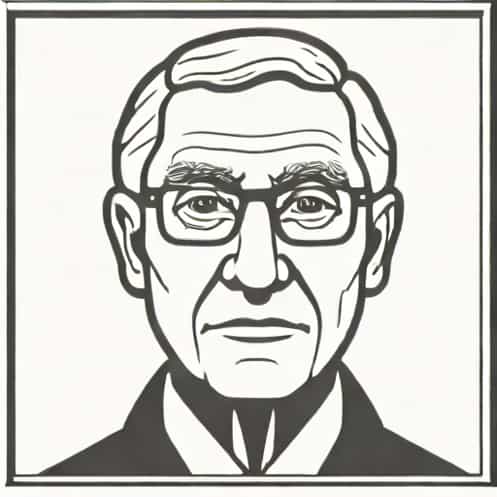
George Gascon and Nathan Hochman are two prominent figures in the American legal system, each with a notable career in law and public service. Both have contributed significantly to criminal justice and legal reform, although their approaches and areas of focus differ in substantial ways. Understanding their careers, legal philosophies, and influence in contemporary law provides insight into broader debates surrounding justice, prosecution, and reform in the United States. Their professional paths illustrate the complexities of navigating law enforcement, public accountability, and policy innovation in high-profile legal positions.
George Gascon Career and Legal Philosophy
George Gascon is widely recognized for his tenure as a district attorney and later as the Los Angeles County District Attorney. Gascon’s career began in law enforcement as a police officer, giving him firsthand experience with the criminal justice system. This background shaped his approach to prosecution and reform, emphasizing alternatives to incarceration, rehabilitation, and systemic change. Gascon is known for advocating policies that reduce mass incarceration and prioritize diversion programs for non-violent offenders, reflecting a progressive perspective on criminal justice.
Major Achievements and Reforms
- Implemented initiatives to reduce sentencing disparities for non-violent crimes.
- Supported programs aimed at rehabilitating young offenders instead of pursuing traditional incarceration.
- Focused on enhancing police accountability and transparency through legal oversight measures.
- Worked on restorative justice initiatives to address community harm and reduce recidivism.
Gascon’s approach has sparked both praise and criticism. Supporters argue that his reforms promote fairness, reduce prison populations, and address systemic inequities. Critics contend that some policies may compromise public safety, citing increases in certain crime statistics as points of concern. Regardless, Gascon remains a pivotal figure in shaping contemporary debates about criminal justice reform in California and beyond.
Nathan Hochman Career and Legal Philosophy
Nathan Hochman is a distinguished attorney with a career spanning both public service and private practice. Hochman served as the United States Assistant Attorney General for the Tax Division under the Department of Justice, gaining extensive experience in federal law and complex legal litigation. His work often focused on financial crimes, regulatory compliance, and legal enforcement, demonstrating a meticulous and structured approach to law.
Key Contributions and Focus Areas
- Oversaw enforcement of federal tax laws and prosecuted cases of tax fraud and evasion.
- Worked on high-profile cases involving financial institutions and corporate compliance issues.
- Provided legal guidance on regulatory matters and policy development in federal law.
- Maintained a reputation for thorough litigation and adherence to established legal principles.
Hochman’s career highlights his expertise in federal prosecution and legal oversight, particularly within the realm of financial law. His emphasis on structured enforcement and rigorous adherence to legal standards contrasts with reform-oriented approaches, yet both perspectives contribute to the broader landscape of law in the United States.
Comparing Approaches Gascon and Hochman
While George Gascon and Nathan Hochman share backgrounds in law, their professional philosophies diverge significantly. Gascon’s approach prioritizes reform, reducing incarceration rates, and addressing social inequalities. Hochman, in contrast, emphasizes structured enforcement, compliance, and prosecutorial rigor. This difference illustrates the tension between progressive reform and traditional legal enforcement in American jurisprudence.
Policy and Public Perception
- Gascon’s reforms often attract media attention due to their progressive and sometimes controversial nature.
- Hochman’s work, though impactful, tends to focus on detailed federal enforcement, appealing to legal professionals and regulatory agencies.
- The public perception of both figures is shaped by the scope of their work, with Gascon engaging more directly with community-focused policies.
- Both individuals demonstrate the diverse pathways and philosophies within the American legal system.
Impact on Legal Reform and Justice
Both Gascon and Hochman have significantly influenced the justice system, albeit in different ways. Gascon’s initiatives challenge conventional practices, advocating for a system that prioritizes rehabilitation and equity. Hochman contributes through strengthening legal frameworks, ensuring compliance, and addressing complex financial and regulatory issues. Their respective roles demonstrate how diverse legal approaches can intersect, shaping policy, influencing public perception, and affecting real-world outcomes in both criminal and civil law.
Lessons from Their Careers
- The importance of balancing reform with public safety and enforcement standards.
- Understanding the interplay between local and federal legal responsibilities.
- Recognizing that legal philosophy and personal experience influence policy decisions.
- The value of expertise and leadership in shaping legal practices and reforms.
George Gascon and Nathan Hochman exemplify the complexity and diversity of the American legal system. Gascon’s progressive approach to criminal justice reform contrasts with Hochman’s structured enforcement and federal legal expertise, yet both have left a lasting impact on law and policy. By studying their careers, one gains insight into the challenges and opportunities within the legal landscape, from reforming local justice systems to ensuring rigorous enforcement at the federal level. Their contributions continue to shape debates, influence policy decisions, and serve as examples for current and future legal professionals seeking to navigate the intricate dynamics of law in the United States.