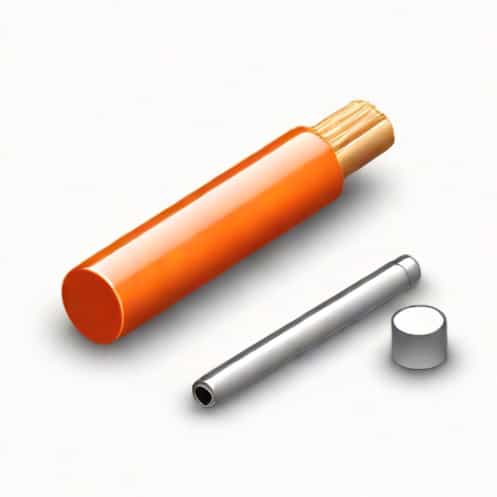
Gelatin sticks and detonators are essential components in controlled demolition, mining, and certain industrial applications. These materials have a long history of use in shaping landscapes, removing rock formations, and safely dismantling structures. While the topic might seem specialized, understanding gelatin sticks, their composition, and the role of detonators offers insight into both the practical applications and the safety measures required in handling explosives. Proper knowledge ensures efficient outcomes in engineering projects and minimizes risks to personnel and the environment. This topic explores gelatin sticks and detonators, their uses, types, safety considerations, and the physics behind their operation.
Understanding Gelatin Sticks
Gelatin sticks are a form of explosive made by combining nitroglycerin with a stabilizing agent, often nitrocellulose, which forms a gelatinous substance. This formulation makes the explosive more flexible and moldable compared to traditional dynamite. Gelatin sticks are prized for their stability during storage and transport, as well as their effectiveness in controlled blasting operations. They are commonly used in mining, quarrying, construction, and demolition projects where precision and safety are critical.
Composition and Characteristics
- NitroglycerinThe primary explosive ingredient, highly sensitive and powerful.
- NitrocelluloseActs as a stabilizer and gelling agent, giving gelatin sticks their malleable texture.
- Stabilizers and additivesOften included to reduce sensitivity to shock, moisture, and temperature variations.
These components combine to create an explosive that is both potent and safer to handle than pure nitroglycerin. Gelatin sticks can be cut or shaped to fit the specific requirements of a blasting operation, allowing engineers to control the blast direction and magnitude effectively.
Role of Detonators
Detonators are devices used to initiate the explosive reaction in gelatin sticks. Without a detonator, the explosive cannot be reliably activated, making the detonator a crucial component in blasting operations. Detonators convert a small energy input, often electrical or chemical, into the high-energy shock necessary to trigger the gelatin stick. They come in various forms, including electric detonators, non-electric shock tube detonators, and electronic detonators, each suitable for different operational conditions.
Types of Detonators
- Electric DetonatorsActivated by an electric current, offering precise timing and coordination in complex blasting sequences.
- Non-Electric DetonatorsUse a shock tube or other chemical means to transmit the ignition, often preferred in environments where electrical sparks pose a risk.
- Electronic DetonatorsAdvanced devices with programmable delay options, enabling highly controlled blasts in mining and demolition projects.
The selection of a detonator depends on factors such as the type of gelatin stick used, the environment of the operation, and the desired outcome of the blast. Engineers must carefully consider these variables to ensure efficiency and safety.
Applications of Gelatin Sticks and Detonators
Gelatin sticks paired with appropriate detonators have a wide range of applications in both industry and construction. Understanding these applications highlights the importance of proper handling and strategic use.
Mining and Quarrying
In mining, gelatin sticks are used to break apart rock formations, making ore extraction more efficient. Detonators ensure that the blasts occur at precisely calculated intervals, reducing the risk of flyrock and other hazards. This precision also allows for the selective removal of materials, which is essential in underground mining operations.
Construction and Demolition
Controlled demolition of buildings or structures often requires the use of gelatin sticks. By carefully placing the sticks and synchronizing detonators, engineers can bring down structures safely and efficiently. This technique minimizes debris spread and reduces damage to surrounding areas, making it ideal for urban environments.
Environmental and Safety Considerations
While powerful, gelatin sticks and detonators must be used responsibly to protect both people and the environment. Safety protocols include proper storage, handling, transportation, and disposal of explosives. Regulatory frameworks often dictate the permissible quantities and conditions under which these explosives can be used. Protective measures such as blast mats, controlled exclusion zones, and personal protective equipment help mitigate risks during operations.
Physics and Mechanics Behind the Blast
The effectiveness of gelatin sticks and detonators relies on the physics of explosive reactions. When a detonator triggers the explosive, a rapid exothermic reaction occurs, generating high-pressure gases and heat. This sudden expansion produces a shockwave capable of fracturing rock or concrete. The malleable nature of gelatin sticks allows engineers to direct this energy more precisely, enhancing the efficiency of the blast while controlling its impact.
Blast Design and Timing
Timing plays a critical role in controlled blasting operations. Using multiple gelatin sticks with detonators, engineers can sequence blasts to optimize rock fragmentation, reduce vibration, and prevent unintended structural damage. Advanced electronic detonators enable microsecond-level timing, making it possible to achieve highly controlled results even in complex demolition or mining projects.
Handling and Storage
Safe handling and storage of gelatin sticks and detonators are paramount. Explosives are sensitive to temperature, shock, and humidity. Standard protocols include storing gelatin sticks in temperature-controlled magazines, keeping detonators separate until use, and following strict transportation regulations. Trained personnel must manage these materials, and emergency procedures should be in place to address accidental ignition or other hazards.
Training and Expertise
Only qualified individuals should handle gelatin sticks and detonators. Training programs emphasize knowledge of explosive chemistry, handling techniques, risk assessment, and regulatory compliance. Ongoing education ensures that personnel remain up-to-date with technological advancements and safety standards.
Gelatin sticks and detonators are indispensable tools in mining, construction, and controlled demolition. Their effectiveness lies in the combination of potent explosive chemistry and precise initiation through detonators. By understanding the composition, mechanics, and applications of these materials, professionals can maximize efficiency and maintain safety standards. Proper training, careful planning, and adherence to safety protocols are essential for responsible use. As technology advances, innovations in detonators and explosive formulations continue to improve the precision, control, and safety of blasting operations, making gelatin sticks and detonators reliable components of modern engineering and industrial projects.