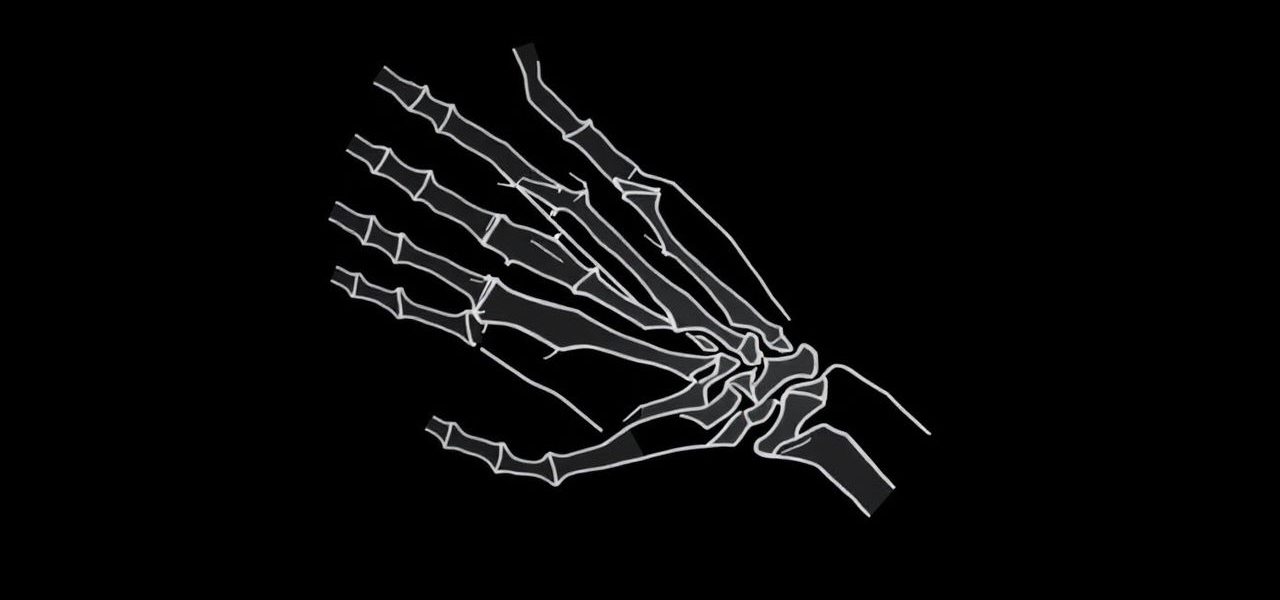
The ulnar styloid process is a small bony projection located at the distal end of the ulna, one of the two long bones of the forearm. Although it appears small compared to other structures in the wrist, an injury or fracture to this area can lead to significant pain, limited wrist movement, and long-term complications if not managed properly. Understanding the causes, symptoms, diagnosis, and treatment options of a fracture of the ulnar styloid process is important for patients, healthcare professionals, and anyone interested in musculoskeletal health. This topic explores the condition in detail, highlighting its clinical features and management approaches.
Anatomy of the Ulnar Styloid Process
The ulna is one of the two bones of the forearm, running parallel to the radius. At its distal end, the ulna forms the ulnar styloid process, a pointed projection near the wrist joint. This small structure plays a crucial role in stabilizing the wrist, as it is the attachment point for the ulnar collateral ligament and part of the triangular fibrocartilage complex (TFCC). Both of these components are essential for wrist stability and smooth hand movements.
Causes of Ulnar Styloid Process Fracture
Fractures of the ulnar styloid process typically occur in association with other wrist injuries, particularly distal radius fractures. However, they can also occur in isolation. Common causes include
- Falls on an outstretched hand, especially when the wrist is extended.
- Direct trauma to the wrist or forearm, such as in contact sports or accidents.
- High-impact injuries like motor vehicle accidents.
- Repetitive stress or chronic strain in athletes who put pressure on the wrist.
Types of Ulnar Styloid Fractures
The location and displacement of the fracture determine its classification. The two main types are
- Tip fracturesThese involve the small distal tip of the ulnar styloid. They are often less severe and may not significantly affect wrist stability.
- Base fracturesThese occur at the base of the ulnar styloid and are more concerning, as they can disrupt the TFCC and lead to instability of the distal radioulnar joint (DRUJ).
Symptoms of Ulnar Styloid Process Fracture
Patients with this type of fracture often experience symptoms that affect daily wrist function. Common signs include
- Sharp pain on the ulnar side of the wrist, especially during movement.
- Swelling and tenderness around the wrist joint.
- Decreased range of motion of the wrist and forearm.
- Difficulty gripping objects due to weakness and discomfort.
- Visible deformity or bruising in severe cases.
Diagnosis of Ulnar Styloid Fracture
Accurate diagnosis is essential to ensure proper treatment. Doctors typically use a combination of clinical examination and imaging studies, such as
- Physical examinationChecking for tenderness, swelling, and wrist stability.
- X-raysThe most common imaging tool to confirm the presence, location, and severity of the fracture.
- CT scansIn complex or unclear cases, CT scans provide detailed images of bone alignment.
- MRI scansSometimes used to assess soft tissue injuries such as TFCC tears that may accompany the fracture.
Treatment Options for Ulnar Styloid Process Fracture
Treatment depends on the type of fracture, its displacement, and whether the wrist joint is stable. Management options include
Non-Surgical Treatment
Many fractures, especially tip fractures and non-displaced base fractures, can be treated without surgery. Methods include
- Immobilization with a cast or splint for several weeks.
- Pain management with medications and cold therapy.
- Gradual return to movement through physiotherapy after immobilization.
Surgical Treatment
Surgery may be required in cases where the fracture is displaced or if the DRUJ and TFCC are unstable. Surgical options include
- Internal fixation with wires, screws, or plates to stabilize the bone.
- Repair of associated ligament or cartilage damage.
- Post-operative rehabilitation to restore wrist function.
Rehabilitation and Recovery
Recovery after a fracture of the ulnar styloid process can take several weeks to months, depending on the severity and treatment method. Rehabilitation is a critical part of the healing process and usually involves
- Gentle range-of-motion exercises to restore flexibility.
- Strength training to rebuild grip and forearm power.
- Gradual return to normal daily activities and sports.
Most patients regain good wrist function, although some may experience lingering stiffness or mild discomfort, especially if the TFCC was injured.
Possible Complications
While many patients recover without issues, complications can occur, particularly in untreated or improperly managed fractures. These include
- Chronic wrist pain and weakness.
- Instability of the distal radioulnar joint.
- Persistent stiffness and reduced range of motion.
- Arthritis in the wrist joint over time.
Prevention of Ulnar Styloid Process Fractures
Although not all injuries can be avoided, certain measures reduce the risk
- Wearing wrist guards during sports like skating or snowboarding.
- Maintaining strong forearm muscles through exercise.
- Improving balance and fall-prevention strategies, especially in older adults.
- Using safe techniques in physical activities and occupations that stress the wrist.
A fracture of the ulnar styloid process, though small in appearance, can have a considerable impact on wrist stability and function. Early diagnosis and appropriate treatment, whether conservative or surgical, are essential to ensure optimal healing and prevent complications. With proper care, rehabilitation, and preventive measures, most individuals can expect a return to normal wrist function and daily activities without lasting problems.