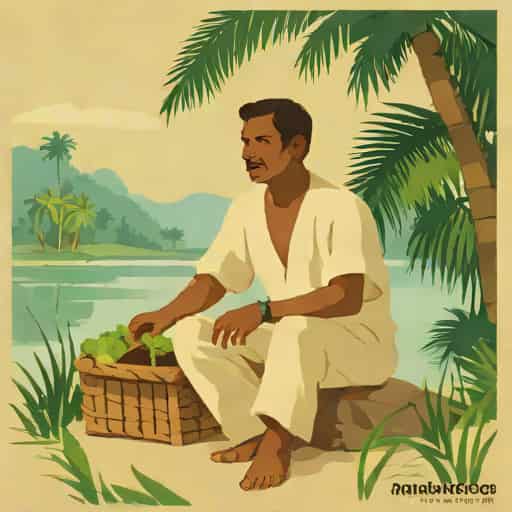
Fernando Amorsolo is widely regarded as one of the most influential and celebrated artists in Philippine history, known for his mastery of light, color, and composition. His paintings often depict rural life, Filipino traditions, and the natural beauty of the Philippines, capturing moments of serenity, culture, and everyday life with remarkable realism. Among his extensive body of work, several pieces are considered masterpieces, showcasing his unique ability to blend technical skill with emotional depth. Amorsolo’s famous artwork continues to inspire artists, collectors, and art enthusiasts worldwide, and his legacy remains a cornerstone of Philippine visual arts.
Overview of Fernando Amorsolo
Fernando Amorsolo was born in 1892 in Paco, Manila, during the American colonial period in the Philippines. He studied at the University of the Philippines School of Fine Arts, where he developed his skills under the guidance of renowned mentors. Amorsolo’s style is often associated with the romanticized depiction of rural life, glowing landscapes, and the play of light on natural scenes. His work is characterized by vibrant colors, meticulous attention to detail, and a luminous quality that became his signature technique. Through his paintings, Amorsolo captured the Filipino identity, portraying both the simplicity and richness of everyday life.
Artistic Style and Techniques
Amorsolo’s mastery of light and shadow earned him the title Grand Old Man of Philippine Art. He often used natural light to highlight the subjects of his paintings, creating a warm and radiant atmosphere. His technique involved careful layering of colors and precise brushwork, allowing him to capture subtle details such as the texture of fabric, the glint of sunlight on water, or the expressions of people engaged in daily activities. This attention to detail and realistic portrayal of subjects made his works both visually captivating and culturally significant.
Famous Artwork Masterpieces
Among Fernando Amorsolo’s extensive portfolio, several artworks stand out as masterpieces due to their artistic quality, historical significance, and cultural impact. These works are not only appreciated for their technical excellence but also for their ability to convey the essence of Filipino life and values. Here are some of his most famous masterpieces
1. The Making of the Philippine Flag
This painting depicts the historic moment when the Philippine flag was created during the struggle for independence. Amorsolo captures the patriotic spirit with a meticulous attention to detail, emphasizing the pride and determination of the Filipino people. The composition uses light and color to highlight the flag as a symbol of national identity, making this artwork a celebrated piece in Philippine history.
2. Planting Rice
Planting Rice is one of Amorsolo’s iconic rural scenes, illustrating farmers working in the rice fields. The painting emphasizes harmony with nature, labor, and community. The golden light reflecting on the water and the lush green of the fields demonstrate Amorsolo’s exceptional skill in portraying natural sunlight. This work exemplifies his ability to romanticize ordinary activities, turning daily labor into a scene of beauty and tranquility.
3. Dalagang Bukid
Dalagang Bukid, which translates to Country Maiden, captures the grace and innocence of a young Filipino woman in traditional attire. The painting is renowned for its delicate portrayal of human emotion and its depiction of rural life. Amorsolo’s use of soft light and warm colors enhances the subject’s charm and the overall serenity of the scene, making it one of his most beloved masterpieces.
4. Barrio Fiesta
This artwork portrays a festive scene in a Filipino village, capturing the joy, camaraderie, and cultural traditions of local celebrations. Amorsolo’s vibrant palette and dynamic composition convey movement and energy, while still maintaining a sense of harmony and balance. Barrio Fiesta highlights the importance of community, family, and cultural heritage in Filipino life.
5. The Mestiza
In The Mestiza, Amorsolo explores themes of beauty, elegance, and social identity. The painting depicts a Filipino woman of mixed heritage in traditional dress, exuding grace and sophistication. The intricate detailing of her attire, combined with the soft glow of natural light, showcases Amorsolo’s technical prowess and sensitivity to cultural nuances. This masterpiece is celebrated for both its aesthetic appeal and cultural representation.
Influence and Legacy
Fernando Amorsolo’s famous artwork masterpieces have had a profound impact on Philippine art and culture. His works preserve historical and cultural moments, offering viewers a glimpse into the lives, traditions, and values of Filipino society during his era. Amorsolo’s dedication to realism, light, and composition influenced generations of artists who followed, inspiring them to explore Filipino identity and heritage through visual art. His paintings remain highly sought after in art galleries, museums, and private collections, reflecting both historical significance and timeless beauty.
Cultural Significance
Amorsolo’s masterpieces are more than aesthetic achievements; they are cultural artifacts that celebrate Filipino identity. Through scenes of rural life, historic events, and portraits of everyday people, Amorsolo documented the country’s history and traditions. His works contribute to national pride and continue to educate viewers about the richness of Filipino culture, making them valuable resources for historians, educators, and art enthusiasts alike.
Recognition and Awards
Throughout his career, Fernando Amorsolo received numerous awards and recognitions, including the title of National Artist of the Philippines for Painting. His contributions to the arts were acknowledged both locally and internationally. Exhibitions of his masterpieces continue to draw attention and admiration, showcasing the enduring appeal of his work. These accolades underscore his position as a seminal figure in Philippine art history and a master of light and composition.
Collecting Amorsolo’s Art
Art collectors and enthusiasts worldwide seek Fernando Amorsolo’s famous artwork masterpieces due to their cultural value, historical significance, and visual appeal. Collecting Amorsolo’s works involves understanding the provenance, authenticity, and condition of each piece. Many museums in the Philippines, including the National Museum and private galleries, house permanent collections of his paintings, making them accessible for public appreciation and study. His works are also featured in auctions, where they command high prices due to their rarity and significance.
Preservation of Masterpieces
Preserving Amorsolo’s masterpieces is crucial for ensuring that future generations can experience and learn from his art. Conservation efforts involve protecting the paintings from environmental damage, such as light exposure, humidity, and temperature fluctuations. Museums and collectors employ specialized techniques to maintain the vibrancy of colors and the integrity of the canvas, ensuring that the luminous quality that defines Amorsolo’s work endures over time.
Fernando Amorsolo’s famous artwork masterpieces remain a testament to his exceptional skill, artistic vision, and deep appreciation for Filipino culture. From historical scenes like The Making of the Philippine Flag to idyllic rural landscapes such as Planting Rice and Dalagang Bukid, his paintings capture the beauty, traditions, and values of the Philippines. Through meticulous technique, masterful use of light, and sensitivity to human emotion, Amorsolo created timeless works that continue to inspire and educate. His legacy as a National Artist and a pioneer of Philippine visual arts ensures that his masterpieces will be celebrated and admired for generations to come, preserving a vital part of the nation’s cultural heritage.