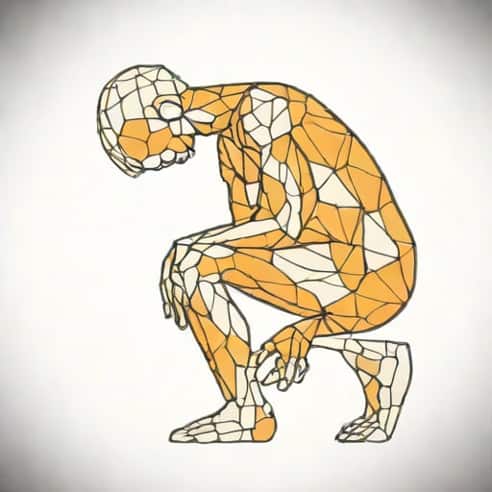
Facet joint arthritis, also known as facet arthropathy, is a common degenerative condition affecting the small joints located between the vertebrae of the spine. These joints play a critical role in providing stability and allowing smooth movement of the spine, and when they become arthritic, individuals often experience chronic back pain, stiffness, and reduced mobility. Understanding the prognosis of facet joint arthritis is important for patients and healthcare providers alike, as it helps guide treatment decisions, set realistic expectations, and improve long-term quality of life. Prognosis depends on a variety of factors, including the severity of degeneration, the presence of other spinal conditions, lifestyle factors, and the effectiveness of both conservative and surgical interventions.
Understanding Facet Joint Arthritis
Facet joint arthritis develops when the cartilage that cushions the small joints between vertebrae wears down over time. This degeneration can result from natural aging, repetitive stress, injury, or conditions such as obesity and spinal misalignment. As the cartilage thins, the bones of the facet joints may begin to rub against each other, leading to inflammation, pain, and decreased range of motion. Symptoms commonly include localized back pain, stiffness after periods of inactivity, and pain that worsens with twisting or bending of the spine.
Causes and Risk Factors
- Age-related wear and tear on spinal joints.
- Repetitive movements or heavy lifting that stress the spine.
- Previous spinal injuries or trauma.
- Obesity, which increases mechanical stress on spinal joints.
- Genetic predisposition to joint degeneration or arthritis.
Symptoms and Diagnosis
Facet joint arthritis can present with a range of symptoms that may vary in intensity. Common complaints include chronic localized back pain, stiffness, and reduced flexibility. Some individuals may experience referred pain in the buttocks or thighs, while others notice pain radiating toward the shoulders or neck, depending on which part of the spine is affected. Diagnosis typically involves a combination of physical examination, medical history review, and imaging studies such as X-rays, CT scans, or MRI to evaluate the extent of joint degeneration and rule out other spinal conditions.
Typical Diagnostic Methods
- Physical examination to assess pain, range of motion, and tenderness.
- X-rays to identify joint space narrowing or bone spurs.
- CT scans for detailed evaluation of bone and joint structures.
- MRI to assess soft tissue, cartilage, and nerve involvement.
- Diagnostic facet joint injections to confirm the source of pain.
Factors Affecting Prognosis
The prognosis for facet joint arthritis depends on multiple factors. Mild cases often respond well to conservative treatment and may allow individuals to maintain normal daily function. Severe cases, especially those accompanied by nerve compression or other spinal degenerative conditions, may result in persistent pain and functional limitations. Factors influencing prognosis include the patient’s age, overall health, activity level, body weight, and adherence to treatment recommendations. Early diagnosis and intervention generally improve outcomes and can prevent further joint damage.
Key Prognostic Factors
- Severity and progression of joint degeneration.
- Presence of additional spinal conditions such as disc degeneration or spondylolisthesis.
- Effectiveness of pain management strategies.
- Lifestyle factors, including physical activity, weight management, and ergonomics.
- Patient adherence to medical recommendations and therapy protocols.
Treatment Options
Treatment for facet joint arthritis focuses on relieving pain, improving mobility, and preventing further joint damage. Conservative approaches are often the first line of treatment and include physical therapy, anti-inflammatory medications, activity modification, and weight management. For patients with persistent or severe symptoms, interventional procedures such as facet joint injections, radiofrequency ablation, or minimally invasive surgeries may be considered. In rare cases where conservative and interventional measures fail, more extensive surgical options like spinal fusion may be recommended to stabilize the affected segments of the spine.
Conservative Treatments
- Physical therapy to strengthen supporting muscles and improve flexibility.
- Nonsteroidal anti-inflammatory drugs (NSAIDs) to reduce pain and inflammation.
- Heat or cold therapy to manage localized discomfort.
- Activity modification to avoid movements that exacerbate pain.
- Weight management to reduce mechanical stress on the spine.
Interventional and Surgical Treatments
- Facet joint injections to deliver corticosteroids and relieve inflammation.
- Radiofrequency ablation to disrupt nerve signals causing pain.
- Minimally invasive procedures to remove bone spurs or decompress nerves.
- Spinal fusion surgery in severe cases to stabilize the spine.
Long-Term Outlook
Most patients with facet joint arthritis can manage their symptoms effectively with a combination of lifestyle modifications, medications, and physical therapy. Chronic pain may persist in some cases, but many individuals maintain an active and fulfilling life. Regular exercise, ergonomic adjustments, and proactive management of symptoms are essential for improving long-term outcomes. While facet joint arthritis is a degenerative condition that cannot be completely reversed, proper care can slow progression, reduce pain, and enhance quality of life.
Factors Contributing to a Positive Long-Term Prognosis
- Early diagnosis and consistent management of symptoms.
- Strong adherence to physical therapy and exercise routines.
- Effective pain management using medications and interventional procedures as needed.
- Healthy lifestyle choices, including weight control and avoidance of spinal strain.
- Regular follow-ups with healthcare providers to monitor progression and adjust treatment.
The prognosis of facet joint arthritis varies based on individual circumstances, severity, and treatment adherence. While it is a chronic, degenerative condition, most patients can experience significant relief and maintain normal daily function through conservative and interventional approaches. Understanding the disease, recognizing symptoms early, and engaging in proactive management strategies are crucial for achieving a favorable long-term outcome. With the right combination of medical care, physical therapy, lifestyle adjustments, and patient education, individuals with facet joint arthritis can lead active, productive lives while minimizing discomfort and functional limitations.