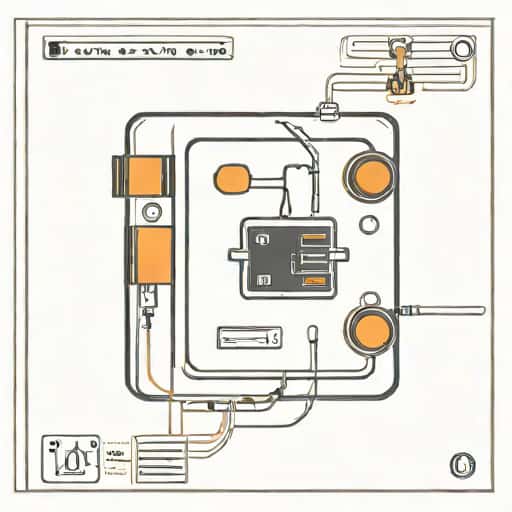
Electricity has become an essential part of our daily lives, powering everything from lights and appliances to heating systems and entertainment devices. While electricity makes life convenient, it also carries inherent risks, such as electrical shocks and short circuits. To ensure the safety of household wiring and protect appliances, various safety devices are used in electrical systems. Among these devices, the fuse plays a crucial role in preventing electrical accidents. Understanding how a fuse works and why it is important can help homeowners maintain a safe and reliable electrical system.
What is a Fuse?
A fuse is a small, simple electrical device designed to protect an electrical circuit from excessive current. It is usually made of a metal wire or strip that melts when the current flowing through it exceeds a certain limit. The melting of the fuse interrupts the flow of electricity, effectively preventing damage to the wiring and connected devices. Fuses are commonly found in household circuits, power strips, and various appliances.
The Purpose of a Fuse in Household Circuits
The main purpose of a fuse is to act as a safety barrier between electrical current and the devices or wiring it powers. Without a fuse, a sudden surge of electricity could cause wires to overheat, potentially leading to electrical fires or permanent damage to appliances. By interrupting the current, the fuse helps to maintain a safe environment within the home. Here are the key roles a fuse plays in household circuits
1. Protecting Electrical Appliances
Household appliances are designed to operate within specific electrical limits. A sudden increase in current, often caused by short circuits or faulty wiring, can damage these devices. A fuse prevents this damage by cutting off the electricity supply before it reaches dangerous levels. This is particularly important for sensitive devices such as refrigerators, televisions, and computers.
2. Preventing Electrical Fires
Overloaded circuits or short circuits generate excessive heat in wires, which can ignite flammable materials and cause fires. Fuses help prevent such hazards by automatically breaking the circuit when the current exceeds the safe limit. In this way, they play a vital role in home safety and fire prevention.
3. Protecting Wiring Systems
Electrical wiring in homes is designed to handle specific amounts of current. If this limit is exceeded, the insulation around wires can melt, leading to dangerous exposure of live wires. By stopping the flow of excessive current, fuses prevent damage to the wiring infrastructure, reducing the risk of costly repairs and hazards.
How a Fuse Works
A fuse operates on a very simple principle a thin metal element inside the fuse melts when the current surpasses its rated capacity. This interruption stops electricity from flowing through the circuit. The time it takes for a fuse to blow depends on the type and rating of the fuse. Commonly used fuses in household circuits are rated in amperes, such as 5A, 10A, or 15A, indicating the maximum current the fuse can handle safely.
Types of Fuses
Fuses come in various designs to suit different applications in a household
- Cartridge FuseA cylindrical fuse with metal caps at both ends, commonly used in modern household circuits.
- Plug FuseA screw-in type fuse often used in older homes or specific appliances.
- Resettable FuseA fuse that can reset itself after tripping, often found in electronic devices.
Understanding Fuse Ratings
Each fuse has a specific rating that indicates the maximum current it can handle. Selecting the correct fuse rating is essential for proper protection. A fuse with a lower rating may blow frequently under normal usage, while a fuse with too high a rating may fail to protect the circuit during an overload. Homeowners should always ensure that the fuse rating matches the requirements of the electrical circuit it protects.
Installing and Replacing Fuses
Installing and replacing fuses should always be done carefully to avoid electrical hazards. Before replacing a blown fuse, it is important to identify the cause of the overload or short circuit. Simply replacing a fuse without addressing the underlying problem may result in repeated failures and potential danger. Most household fuses can be replaced easily by switching off the main power, removing the blown fuse, and installing a new one with the same rating.
Tips for Safe Fuse Usage
- Always turn off the main power before handling fuses.
- Use fuses with the correct current rating to match the circuit’s specifications.
- Never bypass a fuse with a wire or substitute a higher-rated fuse, as this can be extremely dangerous.
- Regularly check and maintain the fuse box to ensure all fuses are in good condition.
Advantages of Using Fuses in Household Circuits
Fuses offer several advantages that make them an essential component in home electrical systems. First, they are simple and reliable, requiring no complex mechanisms to function. They respond quickly to electrical surges, minimizing damage to appliances and wiring. Additionally, fuses are cost-effective, easy to replace, and provide peace of mind by preventing accidents and electrical hazards.
fuses play a fundamental role in ensuring the safety and reliability of household electrical circuits. They protect appliances, prevent electrical fires, and safeguard wiring systems by interrupting excessive current flow. Understanding the function, types, and correct usage of fuses helps homeowners maintain a secure electrical environment. By taking simple precautions, such as using the right fuse rating and addressing circuit issues promptly, families can enjoy the benefits of electricity safely. The small, often overlooked fuse is a powerful guardian of household electrical safety.