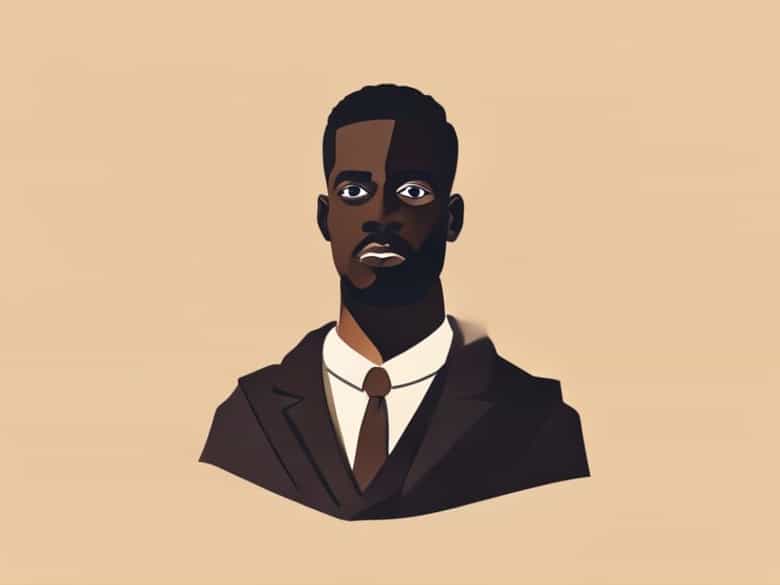
Every Man a King became one of the most memorable slogans in American political history, largely because it captured the bold, populist vision of Huey Long. At a time when the United States was struggling with the economic devastation of the Great Depression, Long’s promise of economic fairness and social uplift spoke directly to people who felt abandoned by existing institutions. The phrase represented hope, equality, and a deep desire for stability. It symbolized a challenge to concentrated wealth and a demand that ordinary citizens be given the opportunity to thrive. Understanding this slogan provides insight not only into Long’s political goals but also into the broader climate in which his ideas took shape.
The Origins of Every Man a King
Huey Long introduced the slogan as part of his larger political movement in the early 1930s. At this time, millions of Americans faced unemployment, hunger, and homelessness. Long believed that traditional policies were failing and that more radical measures were necessary to restore balance to society.
The Influence of Populism
Long’s rhetoric drew heavily from populist ideals. He argued that a small group of wealthy elites had gained too much power, leaving ordinary Americans with few opportunities. Every Man a King became a direct challenge to this imbalance, suggesting that prosperity could be shared more fairly.
Crafting a Memorable Message
Long chose the slogan deliberately. It was short, easy to understand, and emotionally powerful. By invoking the idea of a king, he emphasized dignity, autonomy, and basic economic security. People responded strongly to the message because it expressed values they already held but rarely heard from political leaders.
- Equality as a core principle
- Economic justice for ordinary citizens
- Public responsibility to support those in need
- Criticism of concentrated wealth
Huey Long’s Political Career and Vision
Long’s ideas were not limited to slogans. Throughout his career as governor of Louisiana and later as a U.S. senator, he fought for policies that he believed supported the wellbeing of working-class Americans. He promoted programs that expanded public services, funded education, and improved infrastructure.
Reforms in Louisiana
As governor, Long pushed for major reforms intended to modernize Louisiana and improve conditions for its poorest residents. His policies included free textbooks for students, improved road systems, and expanded access to public hospitals. Although his aggressive tactics were often criticized, his supporters viewed him as a champion of the marginalized.
Transition to National Politics
After being elected to the U.S. Senate, Long shifted his focus from local reforms to national change. He became increasingly vocal about the shortcomings of federal relief programs, arguing that they did not go far enough to help families struggling during the Great Depression. Every Man a King became more than a slogan-it became a call to action.
- Investment in public services
- Efforts to reduce poverty
- Challenges to traditional political elites
- Support from rural and working-class Americans
The Share Our Wealth Program
One of Huey Long’s most ambitious initiatives was the Share Our Wealth program. Designed to redistribute wealth more fairly, the program represented the practical application of the Every Man a King philosophy.
Key Proposals of Share Our Wealth
The program outlined several policies that aimed to ensure every American had access to basic necessities. Long argued that society had enough wealth for everyone to live comfortably, but it needed to be distributed more evenly.
- A cap on personal fortunes
- Guaranteed minimum income for all families
- Free education from elementary school to college
- Veteran benefits and support for the elderly
- Public infrastructure projects to create jobs
Public Reception and Growing Influence
Although controversial, the program attracted widespread support. Millions of Americans joined local Share Our Wealth clubs, believing Long’s ideas could restore economic stability. His movement gained so much momentum that many political observers began to view him as a potential presidential candidate in the 1936 election.
Critics and Controversy
Despite his popularity among working-class supporters, Huey Long was one of the most polarizing figures in American politics. Critics accused him of demagoguery and authoritarian tendencies. Some claimed that his concentration of power in Louisiana resembled dictatorship more than democracy.
Concerns About Power
Long’s aggressive political style included heavy control over state institutions and conflicts with business interests. Opponents argued that his willingness to centralize power contradicted his claims of promoting equality. Whether these criticisms were justified remains a subject of historical debate.
Economic Feasibility
Economists and political leaders questioned whether the Share Our Wealth program was financially realistic. They argued that the proposals oversimplified complex economic systems. Despite this, Long’s supporters maintained that even partially implementing his ideas would help millions of Americans.
- Accusations of authoritarianism
- Concerns about national stability
- Critiques of wealth redistribution
- Ongoing debates among historians
The Legacy of Every Man a King
Huey Long was assassinated in 1935, ending his national ambitions abruptly. Yet his slogan and his ideas continued to shape public thought for years afterward. Many elements of his platform influenced later social programs and discussions about economic fairness.
Impact on American Political Thought
Even though Long never saw his national plans fully realized, his message resonated deeply. Every Man a King encouraged Americans to question wealth inequality and consider alternative models for economic security. His work also pushed federal leaders to develop more robust social welfare policies.
Influence on Modern Populism
Modern political movements across the world continue to use rhetoric reminiscent of Long’s message, emphasizing fairness, opportunity, and dignity. While the context has changed, the emotional power of the idea remains strong.
- Debates about income inequality
- Expansion of government welfare systems
- Rise of modern populist leaders
- Continued fascination with Long’s life and ideas
A Slogan That Continues to Resonate
The enduring appeal of Every Man a King lies in its simplicity and boldness. It reflects a desire for dignity and security shared by people from all walks of life. Huey Long’s vision may have sparked controversy, but it also sparked hope at a moment when many felt forgotten. The slogan serves as a reminder that political ideas can inspire massive change when they speak to the needs of ordinary citizens.
Ultimately, the story of Every Man a King is not only about Huey Long but also about the millions of Americans who longed for fairness during a time of hardship. His message continues to prompt discussions about equality, economic reform, and the role of government, ensuring that the slogan remains relevant long after Long’s era has passed.