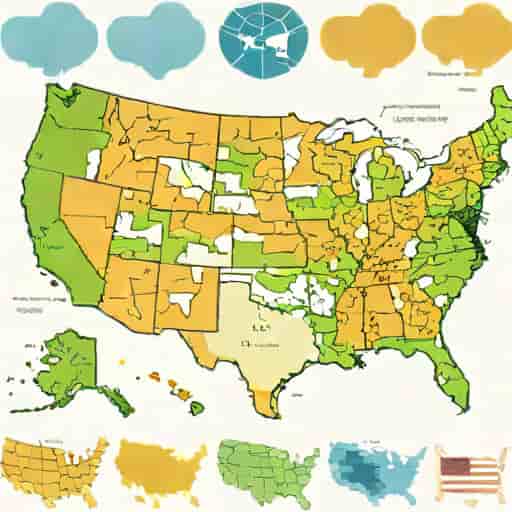
The ecoregions of the conterminous United States describe the natural patterns of climate, landforms, soils, vegetation, and wildlife that shape the country’s landscapes. Rather than following political boundaries, these regions reflect how ecosystems actually function across space. From dense forests to open deserts and rolling grasslands, each ecoregion tells a story about how nature adapts to local conditions. Understanding these ecoregions helps people appreciate biodiversity, land management, and environmental change across the nation.
What Are Ecoregions?
Ecoregions are areas where ecosystems are generally similar in terms of environmental conditions and biological communities. They are defined by factors such as temperature patterns, rainfall, elevation, soil type, and native plant life. In the conterminous United States, scientists use ecoregions to better understand how landscapes function and how human activities interact with nature.
Unlike simple climate zones, ecoregions consider a wide range of ecological features. This makes them useful for conservation planning, agriculture, forestry, and environmental education. By grouping similar ecosystems together, ecoregions provide a clearer picture of ecological diversity.
Overview of the Conterminous United States
The conterminous United States includes the 48 adjoining states and the District of Columbia. This area spans a wide range of latitudes and elevations, resulting in remarkable ecological diversity. Mountain ranges, coastal plains, plateaus, and river basins all contribute to the variety of ecoregions found across the country.
Because of this diversity, the conterminous United States is divided into multiple large-scale ecoregions, each of which can be further broken down into smaller subregions. These divisions help scientists describe complex landscapes in a practical and organized way.
Eastern Forest Ecoregions
The eastern portion of the United States is dominated by forested ecoregions that thrive in relatively moist climates. These forests have played a major role in the nation’s history, supporting early settlements and diverse wildlife.
Appalachian Forests
The Appalachian region is known for its rolling mountains, deep valleys, and rich biodiversity. Mixed hardwood forests dominate this area, with oak, maple, and hickory being common tree species. The varied terrain creates many microhabitats, supporting a wide range of plants and animals.
Southeastern Coastal Plain
This ecoregion stretches along the Atlantic and Gulf coasts. It features flat terrain, sandy soils, and warm temperatures. Pine forests, wetlands, and marshes are characteristic of the area. These ecosystems are important for migratory birds and coastal wildlife.
Central Grasslands and Plains
Moving westward, forests gradually give way to grasslands and plains. These ecoregions are shaped by moderate rainfall, fertile soils, and a long history of natural disturbances such as fire and grazing.
Tallgrass and Mixed Grass Prairies
The tallgrass prairie once covered large portions of the Midwest. Today, much of it has been converted to agriculture, but remnants still reveal its ecological importance. These prairies support deep-rooted grasses and rich soil communities.
Great Plains
The Great Plains extend from Texas to the Canadian border. This ecoregion is characterized by open landscapes, grass-dominated vegetation, and strong seasonal weather patterns. It supports large-scale agriculture as well as native species adapted to wide-open spaces.
Arid and Semi-Arid Western Ecoregions
The western United States contains some of the driest ecoregions in the country. Limited rainfall, high temperatures, and dramatic elevation changes shape these landscapes.
Deserts of the Southwest
The desert ecoregions include areas such as the Mojave, Sonoran, and Chihuahuan deserts. These regions are defined by sparse vegetation, extreme temperatures, and specialized plant and animal life. Cacti, shrubs, and drought-tolerant species dominate the landscape.
Colorado Plateau
The Colorado Plateau features high elevation deserts, deep canyons, and unique rock formations. Vegetation is adapted to thin soils and limited water. This ecoregion is known for its striking scenery and geological history.
Mountain and Highland Ecoregions
Mountain ranges create distinct ecoregions due to changes in elevation, temperature, and precipitation. These areas often contain multiple ecological zones stacked vertically.
Rocky Mountains
The Rocky Mountains stretch from the northern plains into the Southwest. Forests, alpine meadows, and tundra ecosystems occur at different elevations. Snowpack from these mountains plays a critical role in supplying water to surrounding regions.
Sierra Nevada and Cascade Ranges
These mountain ecoregions are shaped by volcanic activity and heavy snowfall. Dense coniferous forests dominate lower elevations, while higher areas support hardy plant species adapted to cold and wind.
Pacific Coastal Ecoregions
The Pacific coast supports unique ecoregions influenced by ocean currents, coastal fog, and mild temperatures. These conditions create environments unlike those found elsewhere in the country.
California Coastal Ranges
This ecoregion includes chaparral, oak woodlands, and grasslands. Seasonal rainfall patterns shape plant growth, with wet winters and dry summers. Fire plays a natural role in maintaining ecological balance.
Pacific Northwest Forests
The Pacific Northwest is known for its temperate rainforests. High rainfall and cool temperatures support towering conifer trees, mosses, and ferns. These forests are among the most productive ecosystems in the conterminous United States.
Why Ecoregions Matter
Ecoregions of the conterminous United States are more than scientific classifications. They help guide land use decisions, conservation efforts, and environmental policies. By understanding how ecosystems function, communities can better manage natural resources and respond to environmental challenges.
- Support biodiversity conservation
- Improve land and water management
- Guide sustainable agriculture and forestry
- Help monitor climate and ecological change
Human Influence on Ecoregions
Human activities have altered many ecoregions through urban development, agriculture, and resource extraction. While these changes provide economic benefits, they can also disrupt natural processes. Recognizing ecoregions helps balance development with environmental protection.
Restoration projects and conservation planning often rely on ecoregional data to ensure that efforts match local ecological conditions.
The ecoregions of the conterminous United States reveal the complexity and richness of the nation’s natural landscapes. From humid forests to dry deserts and rugged mountains, each region contributes to the country’s ecological identity. Learning about ecoregions encourages a deeper appreciation for nature and highlights the importance of protecting these diverse environments for future generations.