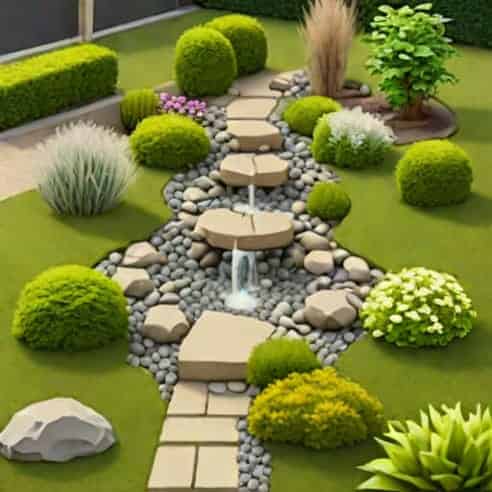
DIY garden rockery ideas are an excellent way to add texture, interest, and natural beauty to your outdoor space. Rockeries, also known as rock gardens, combine stones, plants, and creative landscaping techniques to create a visually appealing focal point that can enhance any garden. Whether you have a small backyard or a larger landscape, DIY rockeries allow you to incorporate rocks of different sizes, colors, and shapes alongside flowers, shrubs, and ground covers for a unique and personalized design. With a mix of creativity and practical planning, creating your own rockery can transform an ordinary garden into a striking and low-maintenance feature that attracts attention, encourages biodiversity, and adds structure to your outdoor space.
Choosing the Right Location
One of the first steps in designing a DIY garden rockery is selecting the ideal location. The site should receive sufficient sunlight for the plants you intend to grow and have good drainage to prevent waterlogging, which can damage both rocks and plants. Consider the natural slope of your garden, as a slight incline can add depth and help with water drainage. Also, think about visibility from your home or garden paths to ensure your rockery becomes an attractive focal point.
Sunlight and Shade Considerations
Different plants thrive in various light conditions, so understanding the sunlight patterns in your garden is crucial. Some rockery plants, like alpine flowers and succulents, prefer full sun, while ferns and mosses thrive in shaded areas. Matching your plant choices to the light conditions will ensure a healthy, vibrant rockery.
Drainage and Soil Quality
Good drainage is essential for a rockery. Avoid low-lying areas where water tends to collect, as excessive moisture can cause root rot and destabilize rocks. Incorporating gravel or sand under the soil can improve drainage, and selecting hardy plants that tolerate poor soil conditions can make your rockery more resilient.
Selecting Rocks for Your Garden Rockery
The choice of rocks is crucial to the aesthetic and structural integrity of your rockery. Consider the size, shape, color, and texture of rocks to create visual interest. Larger rocks can serve as anchors or focal points, while smaller stones fill gaps and add texture. Combining different rock types can create a natural, layered appearance that mimics mountainous or rugged landscapes.
Types of Rocks
- Granite – Durable and versatile, available in various colors.
- Limestone – Smooth and weathered look, good for moss growth.
- Sandstone – Soft texture and warm tones, easy to shape.
- Slate – Flat stones ideal for creating terraces or pathways.
- River Rocks – Rounded and smooth, perfect for naturalistic designs.
Arranging Rocks
When arranging rocks, place larger stones first to form the backbone of your rockery. Position them at varying angles and heights to create depth and natural appeal. Smaller stones can fill gaps, stabilize larger rocks, and prevent soil erosion. Avoid overly symmetrical arrangements; a slightly random placement often looks more natural and aesthetically pleasing.
Choosing Plants for Rockeries
Plants are a key component of any garden rockery, adding color, texture, and seasonal interest. Selecting the right plants depends on your climate, sunlight, and soil conditions. Rockery plants should be hardy, drought-tolerant, and capable of thriving in the shallow soil around rocks.
Popular Rockery Plants
- Alpine Flowers – Small, colorful blooms that thrive in rocky, well-drained soil.
- Succulents – Low-maintenance plants that store water and add interesting shapes.
- Thyme and Creeping Plants – Ground covers that fill gaps between rocks.
- Ferns – Shade-loving plants that soften the hard edges of stones.
- Ornamental Grasses – Add movement and texture to the rockery.
Planting Techniques
When planting in a rockery, ensure roots have enough space to spread while maintaining proper spacing for airflow. Mix plants with different heights, colors, and flowering times to create a dynamic, year-round display. Use gravel or sand around plants to improve drainage and prevent soil from washing away during heavy rain.
Adding Features and Enhancements
Enhancing your DIY garden rockery with additional features can elevate its visual appeal and functionality. Consider incorporating pathways, water features, or decorative elements to create a more engaging and interactive space.
Pathways and Stepping Stones
Adding pathways or stepping stones can provide access to different parts of the rockery for maintenance and enjoyment. Flat stones or slate pieces can be integrated naturally into the design, guiding visitors through the garden while complementing the overall aesthetic.
Water Features
Small waterfalls, ponds, or trickling streams can add soothing sounds and attract wildlife to your garden rockery. Ensure proper water flow and drainage to prevent waterlogging and maintain the health of surrounding plants.
Decorative Accents
Consider incorporating decorative elements like driftwood, garden statues, or ceramic ornaments. These accents can serve as focal points and add personality to your rockery without overpowering the natural beauty of stones and plants.
Maintenance Tips for a DIY Rockery
Although rockeries are generally low-maintenance, regular care ensures they remain attractive and healthy. Remove weeds regularly, check for soil erosion, and replace or reposition rocks as needed. Prune plants to maintain shape and encourage growth, and replenish gravel or sand to maintain proper drainage.
Seasonal Care
During colder months, protect delicate plants with mulch or frost covers. In hot and dry climates, provide supplemental watering to prevent stress. Regularly monitor the health of both plants and rocks to address any issues promptly.
Weed and Pest Control
Rocks can create crevices where weeds may grow. Removing weeds promptly prevents them from overtaking the rockery. Natural pest control methods, such as introducing beneficial insects or companion planting, help maintain plant health without harmful chemicals.
Creative DIY Ideas
There are endless possibilities when designing your own garden rockery. Consider themes such as alpine landscapes, desert rock gardens, or tropical-inspired rockeries. Mix rock colors and sizes for a layered effect, incorporate unusual plants like bonsai or cacti, or create mini zen gardens within the larger rockery. The key is to experiment and allow your creativity to guide the design while considering practical aspects like sunlight, drainage, and maintenance.
Mini Rockery Projects
- Container Rockeries – Use pots or planters for small-scale rock gardens on patios or balconies.
- Terraced Rockeries – Build levels with flat stones to create depth in small gardens.
- Zen-Inspired Rock Gardens – Minimalist designs with gravel, stones, and sparse plants.
- Wildflower Rockeries – Mix colorful flowering plants to attract pollinators and add seasonal interest.
- Succulent Gardens – Ideal for drought-prone areas with low maintenance requirements.
DIY garden rockery ideas provide a creative and rewarding way to enhance any outdoor space. By carefully selecting rocks, plants, and additional features, you can create a naturalistic and visually appealing garden focal point that requires minimal maintenance. From choosing the right location and arranging rocks to planting resilient flora and adding decorative elements, every step contributes to a harmonious and engaging rockery design. With proper planning, creativity, and ongoing care, a DIY rockery can transform your garden into a serene, attractive, and functional outdoor retreat that reflects your personal style and brings nature closer to home. Whether you prefer alpine flowers, succulents, or ornamental grasses, rockeries offer endless opportunities to experiment and showcase your gardening skills while adding lasting beauty and charm to your outdoor environment.