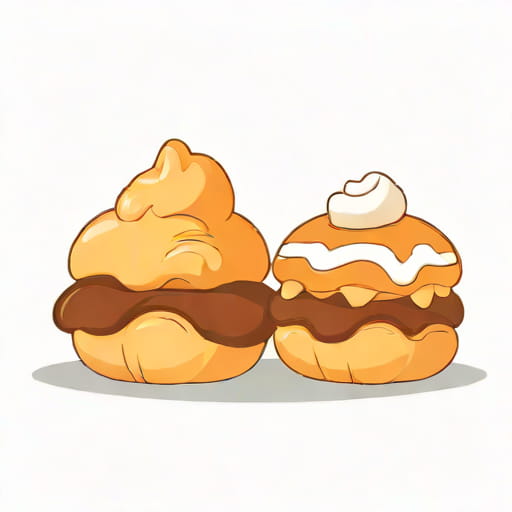
Pastry lovers often come across the terms cream puff and profiterole and wonder what distinguishes the two. While both desserts are made from choux pastry and often filled with cream, there are subtle differences in preparation, presentation, and cultural origins that set them apart. Understanding these differences can help home bakers, chefs, and dessert enthusiasts make informed choices when baking or ordering pastries. Both cream puffs and profiteroles are beloved for their light, airy texture and sweet fillings, but the context in which they are served and the traditional toppings applied can vary significantly.
Overview of Cream Puffs
Cream puffs are classic pastries made from choux dough that is baked until golden and hollow inside. Once baked, they are typically filled with a sweet custard, pastry cream, whipped cream, or flavored creams. Cream puffs are popular in both French and American dessert traditions and are often served individually or as part of a larger dessert arrangement. The focus of a cream puff is on the delicate, airy pastry and the creamy filling, creating a light and satisfying dessert experience.
Characteristics of Cream Puffs
- Light and airy choux pastry that puffs up during baking.
- Filled with pastry cream, custard, or whipped cream after baking.
- Typically topped with powdered sugar or a simple glaze.
- Served individually as a small dessert or snack.
- Origins trace back to French cuisine but widely popularized in America and other countries.
Overview of Profiteroles
Profiteroles are also made from choux pastry and are closely related to cream puffs, but they are traditionally associated with French cuisine. Profiteroles are often smaller than cream puffs and can be filled with similar creams, ice cream, or mousses. They are commonly served as part of an elaborate dessert, such as stacked into a croquembouche, or drizzled with chocolate sauce. The word profiterole originally referred to a small reward or treat, highlighting its status as a refined and elegant pastry. Their presentation and serving style often differentiate them from the simpler cream puff.
Characteristics of Profiteroles
- Small choux pastry shells, often bite-sized.
- Filled with cream, custard, ice cream, or mousse.
- Traditionally served with chocolate sauce or caramel.
- Often used in elaborate desserts such as croquembouche towers.
- Commonly associated with French patisserie and fine dining presentations.
Key Differences Between Cream Puffs and Profiteroles
While both cream puffs and profiteroles are made from choux pastry and share similar fillings, there are distinct differences that make each pastry unique. These differences relate to size, traditional fillings, presentation, and cultural context.
Size and Serving
- Cream puffs are usually larger and served individually as a single portion dessert.
- Profiteroles tend to be smaller, often bite-sized, and can be served in multiples on a plate or as part of a dessert tower.
- The smaller size of profiteroles makes them more suitable for elegant presentations and as components in more complex desserts.
Filling Types
- Cream puffs are commonly filled with pastry cream, custard, or whipped cream.
- Profiteroles may be filled with the same creams but are also frequently filled with ice cream for a chilled dessert variation.
- The filling in profiteroles is often more diverse due to their association with gourmet French desserts.
Presentation and Topping
- Cream puffs are typically topped with powdered sugar or a light glaze, keeping the focus on simplicity.
- Profiteroles are often served with chocolate sauce, caramel drizzle, or as part of a croquembouche, emphasizing visual appeal and indulgence.
- The presentation of profiteroles is usually more decorative and suited for formal occasions or pastry showcases.
Origins and Cultural Context
Cream puffs and profiteroles both originate from France, but their cultural contexts have diverged. Cream puffs have been embraced widely in American dessert culture, often served in bakeries, cafés, and homes as a simple and accessible treat. Profiteroles remain more closely tied to French patisserie traditions, often appearing in fine dining menus or festive dessert arrangements. Understanding the cultural background of each pastry adds to their appreciation and informs how they are used in recipes and presentations.
Cultural Highlights
- Cream puffs are a staple of French-American dessert culture, often enjoyed as a casual treat.
- Profiteroles maintain a more traditional French identity and are associated with gourmet pastry-making.
- The word profiterole historically referred to a small reward or indulgence, emphasizing elegance.
- Cream puffs have been adapted into various regional variations, including different fillings and toppings.
Culinary Uses and Variations
Both cream puffs and profiteroles are versatile and can be adapted for different occasions. Cream puffs are commonly served as simple desserts at gatherings or as pastries in bakeries. Profiteroles, due to their smaller size and elegant presentation, are ideal for formal events, wedding desserts, and as part of dessert towers or plated desserts with sauces. Modern adaptations may include flavored creams, infused chocolate, or fruit toppings for both types of pastries, demonstrating their flexibility in contemporary baking.
Practical Culinary Tips
- Use a piping bag for uniform filling and presentation.
- Chill cream puffs before serving to maintain the texture of the cream.
- Profiteroles can be filled with ice cream and frozen for a refreshing dessert variation.
- Chocolate or caramel drizzle enhances both flavor and visual appeal, particularly for profiteroles.
- Experiment with flavored creams, such as vanilla, coffee, or fruit-infused, to diversify fillings.
while cream puffs and profiteroles share a common foundation in choux pastry, they differ in size, filling, presentation, and cultural context. Cream puffs are larger, simpler, and widely embraced in everyday dessert culture, while profiteroles are smaller, often more elaborate, and associated with French gourmet patisserie. Understanding these differences enhances the appreciation of both pastries and informs baking, serving, and culinary creativity. Whether enjoyed as a simple treat or an elegant dessert, both cream puffs and profiteroles showcase the artistry and versatility of choux pastry, making them timeless favorites in the world of sweets.