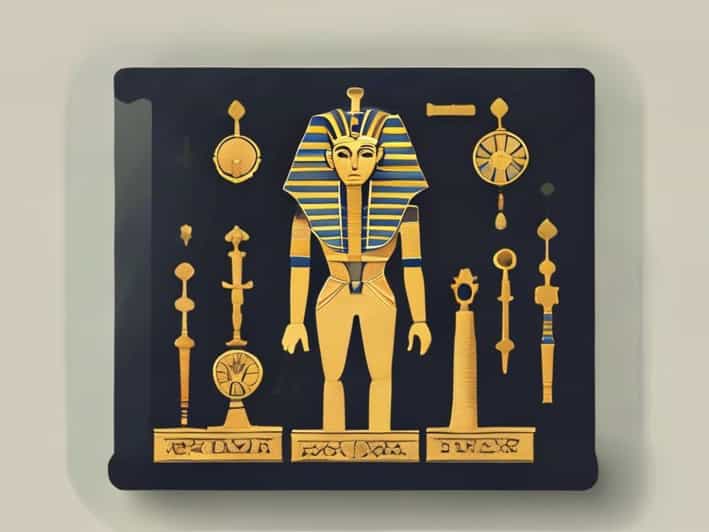
The funerary treasures of Tutankhamun continue to fascinate historians, archaeologists, and the general public more than a century after their discovery. Found almost entirely intact in the Valley of the Kings, the tomb of the young Egyptian pharaoh revealed a remarkable collection of objects meant to accompany him into the afterlife. These treasures offer rare insight into ancient Egyptian beliefs, craftsmanship, and royal life during the Eighteenth Dynasty. More than simple burial items, they reflect deep spiritual meaning, artistic mastery, and the immense power once held by the boy king.
The Discovery of Tutankhamun’s Tomb
The tomb of Tutankhamun was discovered in 1922 by British archaeologist Howard Carter. Unlike many other royal tombs that had been looted over centuries, this one remained largely intact. The discovery revealed thousands of objects carefully arranged to serve the young pharaoh in the afterlife.
The tomb itself was relatively small compared to other royal burials, yet its contents were astonishing in quantity and quality. The treasures provided a rare, undisturbed glimpse into ancient Egyptian burial practices and royal customs.
The Purpose of Funerary Treasures
In ancient Egyptian belief, life continued after death in a spiritual realm known as the afterlife. To ensure comfort and survival beyond death, the deceased were buried with items they would need in the next world. For a pharaoh like Tutankhamun, this meant an extraordinary collection of objects crafted from precious materials.
These items were not merely symbolic. They were believed to hold magical and protective powers, ensuring the king’s safety, status, and prosperity in the afterlife.
Spiritual and Practical Functions
Many funerary objects had dual purposes. Some served practical needs, such as clothing, furniture, and food containers, while others were ceremonial or symbolic, designed to protect the soul or guide it through the afterlife.
The careful selection and placement of these items reflected deeply held religious beliefs about death, rebirth, and divine judgment.
The Golden Death Mask
Perhaps the most iconic of all the funerary treasures is the golden death mask of Tutankhamun. Crafted from solid gold and inlaid with semi-precious stones, the mask was placed directly over the mummy’s head and shoulders.
The mask depicts the young king with idealized features, wearing the traditional royal headdress. It symbolized both divine authority and eternal protection. The craftsmanship and artistic detail of the mask demonstrate the high level of skill achieved by ancient Egyptian artisans.
The Nested Coffins and Sarcophagus
Inside the burial chamber, Tutankhamun’s mummy was placed within a series of coffins nested inside one another. The innermost coffin was made of solid gold, while the outer coffins were crafted from gilded wood.
These coffins were placed within a large stone sarcophagus, which served as the final protective barrier. Each layer symbolized protection, reinforcing the belief that the king’s body and spirit needed safeguarding in the afterlife.
Symbolism of the Coffins
The designs on the coffins featured gods, protective symbols, and inscriptions intended to guide and protect the king. The imagery reflected beliefs about resurrection and divine judgment, central concepts in ancient Egyptian religion.
Jewelry and Personal Adornments
Among the most dazzling items found in the tomb were pieces of jewelry, including necklaces, rings, bracelets, and amulets. These objects were made from gold, lapis lazuli, turquoise, and other precious materials.
Jewelry served both decorative and spiritual purposes. Amulets were believed to offer protection, strength, and guidance in the afterlife, while also demonstrating the wealth and status of the pharaoh.
Everyday Objects for the Afterlife
In addition to luxury items, the tomb contained everyday objects such as furniture, clothing, chariots, and even board games. These items reflect the belief that life after death mirrored life on earth.
Chairs, beds, and storage chests were carefully crafted and decorated, showing that comfort was considered important even beyond death. Food containers and vessels were also included to ensure nourishment in the next world.
Weapons and Symbolic Tools
Several weapons were found in the tomb, including daggers and bows. Some were ceremonial, while others were functional. These objects symbolized the king’s role as a protector of Egypt and his readiness to defend order in both the earthly and spiritual realms.
Artistic and Cultural Significance
The funerary treasures of Tutankhamun provide invaluable insight into ancient Egyptian art, technology, and religious belief. The level of craftsmanship seen in the artifacts reveals advanced metalworking, woodworking, and artistic techniques.
These objects also help historians understand daily life, social structure, and spiritual priorities during the New Kingdom period. The consistency of religious symbolism throughout the collection highlights the importance of continuity and tradition.
The Legacy of Tutankhamun’s Treasures
Since their discovery, the treasures of Tutankhamun have influenced art, culture, and popular imagination worldwide. Museum exhibitions showcasing these artifacts attract millions of visitors and continue to spark interest in ancient Egypt.
Beyond their visual beauty, these objects serve as historical documents, offering insight into a civilization that placed immense importance on the afterlife and the eternal nature of the soul.
The funerary treasures of Tutankhamun stand as one of the most remarkable archaeological discoveries in history. From the iconic golden mask to the everyday items placed beside the young king, each object tells a story about belief, craftsmanship, and the ancient Egyptian view of life and death.
Through these treasures, modern audiences gain a deeper understanding of a civilization that sought to preserve identity and power beyond mortal life. The legacy of Tutankhamun endures not only through his artifacts but through the timeless human desire to be remembered and honored beyond death.