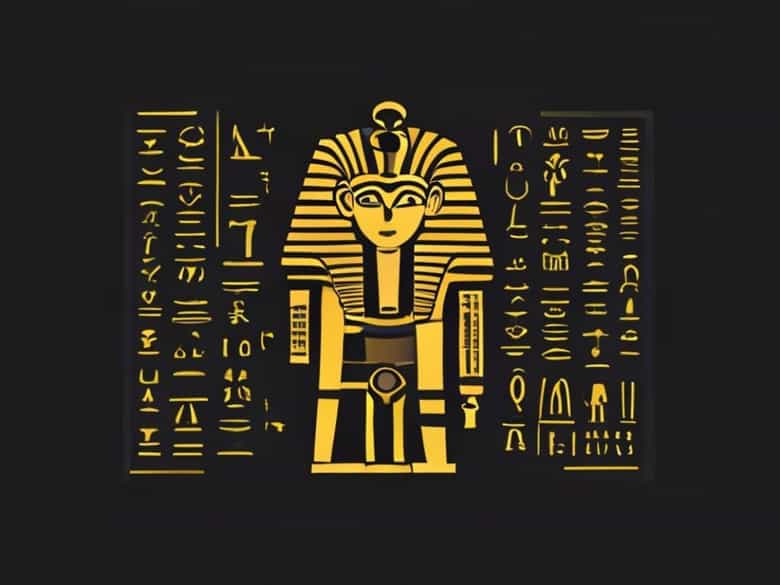
Decoding the secrets of Egyptian hieroglyphs has fascinated historians, linguists, and archaeologists for centuries. These ancient symbols, used extensively in temples, tombs, and monuments, hold the key to understanding the civilization, culture, and daily life of ancient Egypt. Hieroglyphs were more than mere decorative elements; they were a sophisticated writing system that conveyed religious, political, and social information. Deciphering their meanings not only sheds light on ancient Egyptian language but also provides insight into their beliefs, rituals, and governance. For anyone intrigued by history or linguistics, exploring Egyptian hieroglyphs opens a window into a world that existed thousands of years ago.
The Origins of Egyptian Hieroglyphs
Egyptian hieroglyphs date back to around 3100 BCE, making them one of the oldest writing systems in human history. Initially, hieroglyphs were pictorial, representing objects, people, animals, and concepts. Over time, the symbols evolved to include phonetic elements, allowing scribes to represent sounds and form complex sentences. This dual nature-combining ideograms, which represent ideas, and phonograms, which represent sounds-made the system both versatile and complex. The use of hieroglyphs persisted for more than three millennia until it gradually declined with the rise of other scripts and languages.
Functions and Uses
Hieroglyphs were used for a variety of purposes, ranging from religious texts to administrative records. Temples and tombs often featured hieroglyphic inscriptions detailing rituals, prayers, and offerings to gods. Royal decrees, historical records, and monumental inscriptions also utilized hieroglyphs to document the achievements of pharaohs. Additionally, hieroglyphs appeared on everyday items such as pottery, amulets, and jewelry, reflecting the integration of written symbols into all aspects of Egyptian life. Understanding the purpose of these inscriptions is essential for interpreting their meanings accurately.
The Challenge of Deciphering Hieroglyphs
For centuries, Egyptian hieroglyphs were a mystery to scholars. The complexity of the system, combined with its abandonment after the 4th century CE, left much of the writing unreadable. Early attempts to understand hieroglyphs relied on guesses and partial interpretations, often leading to misunderstandings of the language and culture. The absence of bilingual texts, which could provide clues by comparing hieroglyphs with known languages, further complicated the task. Scholars needed a breakthrough to decode this ancient script effectively.
The Role of the Rosetta Stone
The discovery of the Rosetta Stone in 1799 was a turning point in decoding Egyptian hieroglyphs. This stone contained the same text written in three scripts Greek, Demotic, and hieroglyphic. Since scholars could read Greek, they used it as a key to unlock the hieroglyphic script. The work of Jean-François Champollion in the early 19th century was instrumental in this process. By comparing the Greek text with the hieroglyphs, Champollion identified the phonetic values of many symbols and laid the foundation for modern understanding of the language. The Rosetta Stone remains one of the most important artifacts in the study of ancient Egypt.
Understanding Hieroglyphic Symbols
Hieroglyphs are composed of three main types of symbols logograms, phonograms, and determinatives. Logograms represent words or concepts directly, such as the symbol of a sun disk representing Ra, the sun god. Phonograms correspond to sounds, allowing scribes to spell words phonetically. Determinatives are symbols that clarify the meaning of a word, providing context without being pronounced. The combination of these symbols enabled the creation of complex texts that could express abstract ideas, historical events, and religious rituals.
Common Themes and Symbols
Many hieroglyphs are inspired by the natural world, reflecting the Egyptians’ close relationship with their environment. Animals, plants, celestial bodies, and everyday objects frequently appear in inscriptions. Religious symbols, such as the ankh for life or the scarab beetle for rebirth, convey spiritual concepts. Symbols representing power and authority, including crowns, scepters, and thrones, emphasize the role of pharaohs in society. Understanding these themes is crucial for interpreting the cultural and historical context of hieroglyphic texts.
Modern Techniques in Decoding Hieroglyphs
Today, the study of hieroglyphs benefits from a combination of traditional scholarship and modern technology. Digital imaging, computer analysis, and online databases allow researchers to examine inscriptions in detail, even when located in remote or fragile sites. Linguists can cross-reference symbols and identify patterns more efficiently than ever before. These advancements enable a deeper understanding of grammar, syntax, and regional variations in hieroglyphic writing, enriching our knowledge of ancient Egyptian language and culture.
Practical Applications
Decoding hieroglyphs has practical applications beyond academic research. Museums, educational institutions, and media producers rely on accurate translations to create exhibitions, documentaries, and educational content. Archaeologists use hieroglyphs to reconstruct historical events and understand societal structures. Even art and design draw inspiration from hieroglyphic motifs, influencing modern jewelry, fashion, and graphic design. The continued study of hieroglyphs bridges the ancient and modern worlds, highlighting the enduring influence of Egyptian civilization.
Tips for Learning Hieroglyphs
For those interested in exploring Egyptian hieroglyphs, several strategies can enhance learning and comprehension
- Start with Basic Symbols Learn common hieroglyphs representing sounds, objects, and concepts.
- Use Reference Guides Books and online resources provide charts, translations, and contextual explanations.
- Practice Reading Inscriptions Study images of actual hieroglyphic texts to apply knowledge in context.
- Understand Grammar and Syntax Hieroglyphic sentences follow specific rules that differ from modern languages.
- Engage with Communities Join online forums or classes to discuss interpretations and receive guidance.
Benefits of Learning Hieroglyphs
Learning hieroglyphs provides a deeper appreciation for ancient Egyptian culture and history. It enhances cognitive skills, including pattern recognition, critical thinking, and linguistic analysis. Students and enthusiasts gain a sense of connection to a civilization that has shaped human history profoundly. Moreover, understanding hieroglyphs allows for more meaningful engagement with artifacts, tombs, and temples, turning museum visits and archaeological studies into immersive educational experiences.
Decoding the secrets of Egyptian hieroglyphs is a journey into the heart of one of the world’s most remarkable civilizations. From understanding the origins and functions of the symbols to leveraging modern technology for translation, the study of hieroglyphs reveals the complexity and richness of ancient Egyptian culture. The work of scholars like Champollion, combined with ongoing research and modern tools, continues to unlock the mysteries of these fascinating symbols. Whether approached as a hobby, academic pursuit, or professional interest, learning hieroglyphs allows individuals to connect with history, uncover hidden stories, and appreciate the artistry and intelligence of the ancient Egyptians. Each hieroglyph is a window into the past, offering insight into a civilization that continues to inspire and captivate the world.