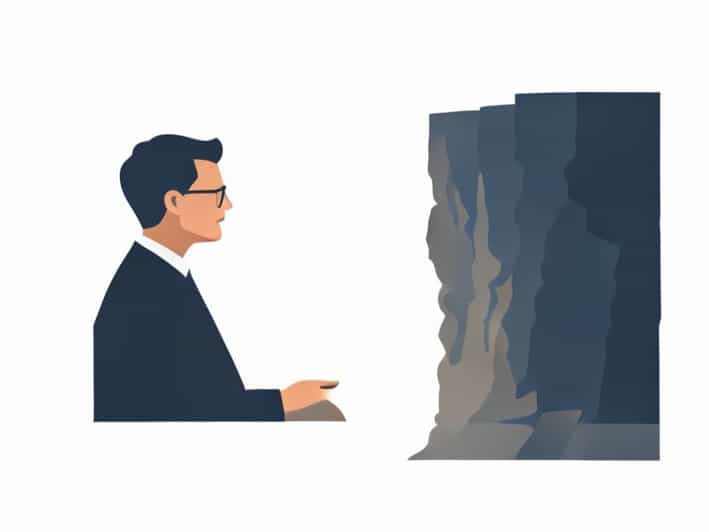
The image of a councillor outwardly admiring part of a cliff evokes more than just a scenic appreciation-it represents a moment where observation, decision-making, and reflection converge. Whether in the context of environmental planning, civic responsibility, or personal contemplation, such a scenario highlights the intersection between natural beauty and human thought. Councillors, tasked with balancing public interest, safety, and preservation, often encounter landscapes that challenge both their aesthetic sensibilities and their professional responsibilities. Understanding the nuances of this interaction provides insight into how public officials approach natural environments while navigating the demands of policy, conservation, and community engagement.
The Role of a Councillor in Environmental Observation
A councillor’s responsibilities extend beyond administrative and legislative duties. They often act as stewards of local environments, tasked with evaluating natural landscapes for safety, sustainability, and community benefit. Observing a cliff, for instance, may involve assessing geological stability, considering erosion patterns, or evaluating potential for public use. Outward admiration is not purely aesthetic; it can be an analytical process where beauty and risk are weighed together. This dual perspective exemplifies how councillors bridge the gap between appreciation and governance.
Factors Considered During Observation
- Geological stability of the cliff and surrounding area
- Environmental impact of potential human activities
- Preservation of natural ecosystems and biodiversity
- Accessibility and safety for visitors and the local community
- Integration of scenic value into urban or regional planning
Outward Admiration as a Reflective Process
When a councillor outwardly admires part of a cliff, the act often extends beyond mere appreciation. It represents reflection on the interplay between natural landscapes and human activity. This reflection can inform planning decisions, conservation strategies, and community projects. By observing the cliff, councillors gain insights into erosion trends, vegetation patterns, and the overall harmony of the landscape. Such moments of admiration can inspire policies that respect natural features while allowing for sustainable development.
Benefits of Reflective Observation
- Encourages environmentally sensitive planning and policy-making
- Informs risk assessment for natural hazards like landslides or rockfalls
- Supports cultural and aesthetic appreciation of natural landscapes
- Enhances public engagement by highlighting scenic and recreational value
- Promotes long-term sustainability in local governance
Cliffs as Symbols in Civic and Cultural Contexts
Cliffs hold symbolic significance in many cultures, often representing resilience, natural power, or the boundary between land and sky. For a councillor, observing a cliff can serve as a metaphorical reminder of the balance required in governance-standing at the edge between natural forces and human needs. This symbolism encourages officials to consider long-term impacts and moral responsibility when making decisions. By outwardly admiring the cliff, a councillor not only observes its physical form but also contemplates the ethical and practical dimensions of human interaction with nature.
Symbolic Implications
- Represents the intersection of human ambition and natural limitation
- Encourages careful decision-making at the boundary of risk and safety
- Highlights the importance of preserving natural heritage for future generations
- Inspires a sense of awe and responsibility in civic leadership
- Connects community planning with cultural and environmental values
Practical Considerations for Councillors Observing Cliffs
Admiration of a cliff also involves practical evaluation. Councillors may need to consider public safety, potential for erosion, and the impact of nearby construction or recreational activities. They often work with geologists, environmental scientists, and urban planners to ensure that policies reflect both aesthetic appreciation and practical necessity. This process underscores the importance of combining professional expertise with personal observation to make informed decisions that balance enjoyment, preservation, and safety.
Key Practical Steps
- Conducting geological surveys to assess structural integrity
- Monitoring erosion and vegetation to prevent environmental degradation
- Planning access points and pathways for public use
- Implementing safety barriers and signage where necessary
- Consulting with community stakeholders and experts before approval
Community Engagement and Public Perception
When a councillor visibly admires a cliff, it can influence community perception positively. Citizens often interpret such moments as evidence of leadership interest in local natural resources and aesthetic values. This outward admiration can foster trust, demonstrate environmental stewardship, and encourage public participation in planning discussions. By publicly valuing the landscape, councillors signal that natural beauty and safety are integral to civic priorities.
Impact on Community Relations
- Builds public trust through visible engagement with local environments
- Promotes community awareness of conservation and safety issues
- Encourages volunteer programs and citizen science initiatives
- Highlights the role of natural spaces in cultural and recreational life
- Supports transparent governance by showing informed decision-making
Balancing Aesthetic Appreciation with Policy Responsibilities
Outward admiration does not replace the councillor’s duty to act responsibly. A cliff may be beautiful, but it also poses risks such as landslides, erosion, or unsafe access. Councillors must balance their personal appreciation with practical governance, ensuring that admiration does not overshadow safety or ecological concerns. This balance exemplifies the complexity of civic leadership, where emotional response and professional obligation coexist.
Strategies for Balanced Governance
- Integrating scenic value into urban planning without compromising safety
- Collaborating with environmental experts to maintain ecological integrity
- Ensuring risk assessments guide public access policies
- Using admiration to inform sustainable design choices
- Communicating decisions to the public to enhance transparency
The scenario of a councillor outwardly admiring part of a cliff illustrates a complex intersection of observation, reflection, and governance. Such admiration is not merely aesthetic but encompasses assessment of safety, environmental impact, and community engagement. By balancing personal appreciation with professional responsibility, councillors demonstrate the importance of thoughtful leadership that values both natural beauty and civic duty. Understanding this dynamic highlights the broader role of officials in managing landscapes that are simultaneously scenic, symbolic, and socially significant, ensuring that natural resources are preserved, appreciated, and safely enjoyed by the community.