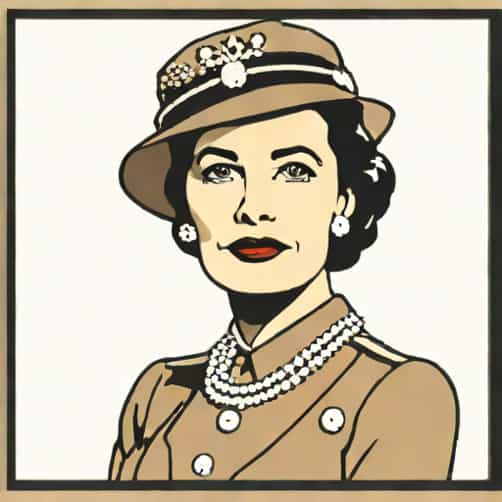
Coco Chanel, the iconic French fashion designer, remains one of the most influential figures in the world of fashion, known for her timeless style, the little black dress, and the revolutionary Chanel No. 5 perfume. Her life, however, is layered with complexities that go beyond fashion, touching upon historical and political events during World War II. Among the more controversial aspects of her life are her connections to Nazi officials, including Heinrich Himmler. These associations have sparked debates among historians, biographers, and cultural critics about the moral ambiguities surrounding Chanel’s personal and professional choices during one of the darkest periods in modern history.
Coco Chanel A Fashion Revolution
Born in 1883 in Saumur, France, Coco Chanel rose from humble beginnings to become a symbol of elegance and independence. She introduced modern, comfortable clothing for women, breaking away from restrictive corsets and elaborate fashions of the early 20th century. Chanel’s influence extended to accessories, perfumes, and jewelry, establishing a brand that remains globally recognized today. Her designs emphasized simplicity, elegance, and practicality, which redefined femininity and empowered women through fashion.
The Rise of the Chanel Brand
Chanel began her career with small hat shops in Paris and gradually expanded into clothing. By the 1920s, she had become an international sensation, opening boutiques in major cities and attracting elite clientele. The launch of Chanel No. 5 perfume in 1921 marked a pivotal moment in her career, blending innovation and marketing in a way that transformed the luxury goods industry. Coco’s emphasis on quality, minimalist designs, and functional fashion helped her brand endure and flourish even amidst global upheavals.
World War II and Controversial Associations
During World War II, Paris was under Nazi occupation, and Coco Chanel remained in the city. Historical records suggest that she maintained personal and professional contacts with German officers, including individuals connected to Heinrich Himmler, one of the highest-ranking officials in the Nazi regime. Himmler, as head of the SS, was directly responsible for orchestrating numerous war crimes, including the Holocaust. Chanel’s associations during this time have been the subject of significant scrutiny, raising questions about her motivations and the extent of her involvement.
The Role of Espionage
Some historians argue that Chanel acted as a spy for Nazi Germany, leveraging her social connections and international reputation. Code-named Agent F-712 in intelligence records, she allegedly engaged in activities that aligned with German interests. This aspect of her life paints a complex picture while she maintained her luxurious lifestyle and brand, she also participated in a morally and politically ambiguous world shaped by war and occupation. The depth of her involvement remains debated, but it undeniably affected her post-war reputation.
Heinrich Himmler and Nazi Influence
Heinrich Himmler, as Reichsführer of the SS, held immense power within Nazi Germany. His responsibilities included overseeing the security apparatus, concentration camps, and the enforcement of Nazi ideology. Himmler’s reach extended into occupied territories, including France, where he influenced local administrations and policies. His interactions with individuals like Coco Chanel were part of broader networks of collaboration, survival, and opportunism under occupation. While Chanel’s personal motivations may have been self-preservation or strategic networking, the connection remains a notable part of her wartime narrative.
Impact on Coco Chanel’s Legacy
The connections between Coco Chanel and Nazi officials like Himmler have complicated her legacy. On one hand, she is celebrated as a fashion innovator who transformed women’s clothing and luxury goods. On the other hand, her wartime associations suggest moral compromises that are difficult to reconcile. Post-war, she faced scrutiny but avoided major legal repercussions, resuming her fashion empire in the late 1940s. This duality-innovator and controversial figure-defines public and scholarly discourse about her life.
Cultural and Historical Context
Understanding Chanel’s relationship with Nazi figures requires context. The German occupation of France was a time of intense pressure, survival strategies, and shifting loyalties. Many businesspeople, artists, and socialites navigated dangerous political landscapes, balancing personal safety with professional ambition. Chanel’s choices were shaped by this environment, illustrating the complexities faced by individuals in occupied Paris. Her story reflects broader themes of power, survival, and moral ambiguity in times of war.
Fashion and Politics
Chanel’s story exemplifies the intersection of fashion and politics. While her designs offered liberation and style, her personal actions highlight the entanglement of high society with political power. The occupation created opportunities for networking with influential figures, but it also carried significant ethical and legal risks. Chanel’s legacy in fashion cannot be separated from the historical realities of her time, making her life both inspiring and controversial.
The Aftermath and Rehabilitation
After the war, Chanel returned to prominence, reopening her fashion house in 1954. She faced criticism from contemporaries but managed to reclaim her status, largely due to her unmatched talent and the enduring appeal of her brand. Her post-war years focused on innovation, introducing new designs and perfumes that solidified the global influence of Chanel. Despite controversies, her work continued to shape the fashion industry, demonstrating the resilience of her vision.
Lessons from Coco Chanel’s Life
- Innovation can coexist with controversy Chanel’s contributions to fashion remain undeniable, even as her personal choices raise moral questions.
- Historical context matters Understanding her connections to figures like Himmler requires examining the pressures and complexities of wartime France.
- Legacy is multifaceted Coco Chanel exemplifies how personal ambition, creativity, and historical circumstances intertwine to shape a public image.
- Ethics and fame often intersect Her life demonstrates the challenges of navigating influence, opportunity, and moral responsibility.
Coco Chanel’s life story is a rich tapestry of creativity, ambition, and controversy. Her extraordinary contributions to fashion transformed the way women dressed and how luxury goods were marketed, making her an enduring cultural icon. At the same time, her wartime associations with Nazi figures, including connections linked to Heinrich Himmler, cast a shadow over her personal narrative. By examining both her achievements and the moral complexities of her life, one gains a deeper understanding of Coco Chanel as a multifaceted figure shaped by historical events. Her legacy serves as a reminder of the interplay between innovation, survival, and ethical responsibility, offering lessons that continue to resonate in both fashion and historical discourse.