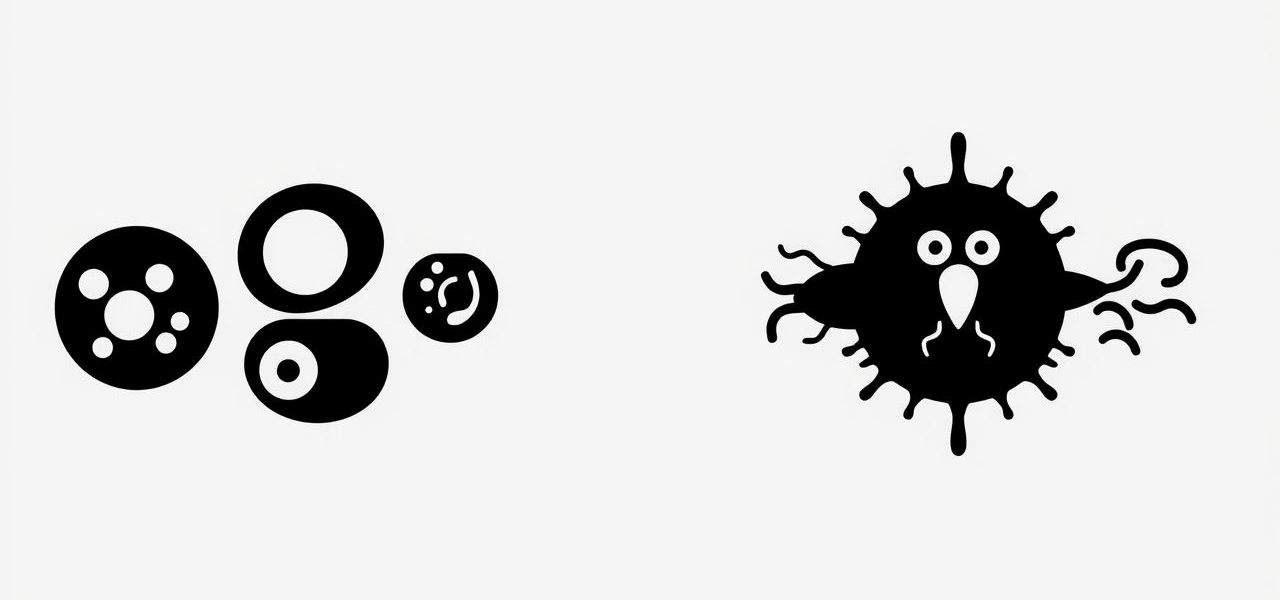
Microorganisms are tiny living organisms that are invisible to the naked eye, yet they play a massive role in our daily lives. These tiny creatures, which include bacteria, fungi, protozoa, and viruses, can be found almost everywhere in the air we breathe, the food we eat, the water we drink, and even inside our bodies. Some microorganisms are beneficial and support life in various ways, while others can cause disease and harm. The dual nature of these microbes makes them both friends and foes of human beings and the environment.
Types of Microorganisms
Microorganisms are broadly classified into several major groups. Each group has unique characteristics and roles in the ecosystem.
- Bacteria: Single-celled organisms that can live in various environments. Some bacteria help in digestion and food production, while others cause illness.
- Fungi: Includes organisms like molds and yeast. Fungi can decompose organic matter and are also used in food production.
- Protozoa: Single-celled organisms often found in water. Some are harmless, but a few can cause diseases like malaria.
- Algae: Plant-like organisms that perform photosynthesis. Algae are important producers in aquatic ecosystems.
- Viruses: Non-living ptopics outside the body but can reproduce once inside a host. Viruses cause diseases like the flu and COVID-19.
Microorganisms as Friends
Despite their small size, many microorganisms are extremely helpful. They support life and are essential in natural processes, medicine, and industry.
Role in Decomposition
Microorganisms like bacteria and fungi break down dead plants and animals. This process of decomposition returns nutrients to the soil, enriching it for plant growth and helping maintain balance in nature.
Fixing Nitrogen
Certain bacteria like Rhizobium live in the root nodules of leguminous plants and help fix atmospheric nitrogen into a usable form for the plant. This reduces the need for chemical fertilizers and supports sustainable agriculture.
In Food Production
Many foods we eat are the result of microbial action:
- Curd: Made by adding Lactobacillus bacteria to milk.
- Yeast: Used in baking to ferment dough and make bread rise.
- Alcohol: Fermentation by yeast also produces alcoholic beverages.
- Pickles and Vinegar: Made with the help of specific bacteria and fungi.
Medicine and Antibiotics
Microorganisms have revolutionized the field of medicine. The discovery of antibiotics like penicillin, produced by the fungus Penicillium, has saved countless lives. Other microbes are used to produce vaccines that protect against diseases such as polio, measles, and hepatitis.
Cleaning the Environment
Some microbes are used in sewage treatment plants and for cleaning up oil spills. They digest waste and pollutants, helping in environmental conservation.
Microorganisms as Foes
While many microorganisms are helpful, others can be harmful to humans, animals, and plants. These disease-causing organisms are known as pathogens.
Diseases in Humans
Several bacteria, viruses, and protozoa can cause dangerous diseases in humans:
- Bacteria: Cholera, typhoid, tuberculosis
- Viruses: Influenza, common cold, dengue, COVID-19
- Protozoa: Malaria, amoebic dysentery
- Fungi: Ringworm, athlete’s foot
Diseases in Animals
Microorganisms also cause serious diseases in livestock, which can affect food supply and economy. Examples include anthrax caused by Bacillus anthracis and foot-and-mouth disease caused by a virus.
Diseases in Plants
Plants too are vulnerable to microbial infections, which can result in major crop losses:
- Bacterial disease: Citrus canker
- Fungal disease: Rust in wheat
- Viral disease: Tobacco mosaic virus
Food Spoilage
Microorganisms cause food to spoil, changing its taste, smell, and appearance. Spoiled food can cause food poisoning if consumed. That is why food preservation methods are essential to stop the growth of harmful microbes.
Food Preservation Techniques
To prevent the spoilage of food by microorganisms, several preservation techniques are used:
- Refrigeration: Low temperatures slow down microbial growth.
- Drying: Removal of moisture prevents microbes from growing.
- Salting and Sugar: High salt or sugar concentration kills bacteria by dehydration.
- Pasteurization: Milk is heated and cooled quickly to kill germs.
- Canning: Sealing food in air-tight containers prevents contamination.
Vaccination and Immunization
Vaccines are a powerful way to protect the body against harmful microorganisms. A vaccine is made using dead or weakened microbes that trigger an immune response. Once vaccinated, the body can fight off future infections by the same microbes.
Examples of Common Vaccines
- BCG for tuberculosis
- Polio vaccine
- MMR for measles, mumps, rubella
Vaccination programs are carried out on a large scale to protect entire populations, especially children, from infectious diseases.
Useful Microorganisms in Industry
Microbes play a vital role in industries beyond food and medicine:
- Biogas production: Anaerobic bacteria decompose waste to produce biogas, an alternative energy source.
- Composting: Microbes help in breaking down organic waste to form compost, a natural fertilizer.
- Enzyme production: Industrial enzymes for detergents, textiles, and paper are produced using microbes.
Maintaining Hygiene and Prevention
To avoid diseases caused by harmful microorganisms, good hygiene is necessary:
- Wash hands before eating and after using the toilet.
- Consume only clean and properly cooked food.
- Drink safe, purified water.
- Keep surroundings clean and free from stagnant water.
- Get vaccinated as recommended by healthcare professionals.
Microorganisms truly are both friends and foes. They support life by helping in agriculture, medicine, food, and industry, but also pose threats through disease and spoilage. Understanding their nature, behavior, and uses is essential for making informed decisions in daily life. The balance lies in using beneficial microbes wisely while protecting ourselves from the harmful ones through proper hygiene, vaccination, and awareness. As science continues to uncover the secrets of these tiny creatures, the future holds even more innovative ways to harness their power for human benefit.