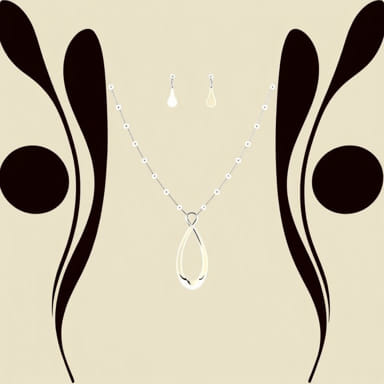
Charles Rennie Mackintosh is widely recognized for his architectural brilliance and design contributions during the late 19th and early 20th centuries, especially as a leading figure in the Art Nouveau and Arts and Crafts movements. While many know him for his buildings and furniture, a lesser-known but equally fascinating aspect of his work lies in jewellery. Charles Rennie Mackintosh jewellery is admired for its unique fusion of artistic geometry, floral elegance, and symbolic form. These timeless designs continue to influence contemporary jewellery makers and resonate with art lovers around the world.
The Artistic Background of Charles Rennie Mackintosh
Born in Glasgow in 1868, Mackintosh was a multi-talented designer whose work spanned architecture, interior design, painting, and decorative arts. Alongside his wife and artistic collaborator, Margaret Macdonald Mackintosh, he developed a distinct visual language. Their creations were known for blending modernism with romantic natural elements. This aesthetic translated seamlessly into jewellery design, where structure and symbolism played essential roles.
Mackintosh’s jewellery designs, though not mass-produced during his lifetime, have been revived and reinterpreted in modern collections. They reflect the same principles found in his buildings and furniture: harmony, balance, and natural inspiration.
Design Characteristics of Charles Rennie Mackintosh Jewellery
1. Symbolism and Nature-Inspired Motifs
One of the hallmarks of Mackintosh’s jewellery is the frequent use of floral and organic motifs. The most iconic among these is the stylized Mackintosh rose. This design features a simplified, abstracted rose often enclosed within geometric shapes. It is a visual representation of both natural beauty and disciplined form.
Other botanical elements, such as leaves, vines, and petals, also appear in various pieces. These motifs convey a sense of growth, delicacy, and spiritual harmony. They serve not just as decoration but also as expressions of deeper artistic themes like renewal, femininity, and unity with nature.
2. Geometric Precision
Mackintosh jewellery is also notable for its geometric symmetry. Straight lines, squares, circles, and carefully calculated curves appear frequently, lending a sense of balance and structure. These elements are often arranged in a way that evokes architectural blueprints or stained-glass windows.
This geometric foundation allowed the organic forms such as roses or leaves to stand out more vividly. The contrast between flowing natural shapes and rigid geometric lines is a defining feature of his style.
3. Subtle Color Palette
The color schemes in Mackintosh jewellery are often soft and understated. Pale purples, soft pinks, silver, and muted greens dominate his palettes. This gentle use of color enhances the romantic feel of each piece while maintaining the elegance and sophistication typical of the Art Nouveau movement.
4. Material Choices
Although the original pieces were not widely made during Mackintosh’s life, modern reproductions and interpretations often use sterling silver, enamel, and semi-precious stones. Enameling, in particular, is a common feature, adding color and texture to the floral and geometric designs.
The materials chosen reflect a commitment to craftsmanship and longevity, aligning with the principles of the Arts and Crafts movement, which emphasized handmade quality over industrial mass production.
Influence of Margaret Macdonald Mackintosh
Margaret Macdonald, Charles Rennie Mackintosh’s wife and creative partner, played a vital role in shaping his artistic direction. Her ethereal, symbolist style brought a mystical quality to their collaborative works. She influenced many of the organic and feminine elements seen in Mackintosh’s jewellery designs.
Their partnership was one of mutual inspiration. Many pieces of jewellery associated with Mackintosh bear Margaret’s artistic fingerprint in the form of flowing lines, spiritual imagery, and an emphasis on the inner world of the mind and emotion. This collaborative dynamic enriched the jewellery with both structure and soul.
Modern Interpretations and Legacy
Contemporary Jewellery Collections
Today, many designers continue to draw from Charles Rennie Mackintosh’s visual language to create jewellery that honors his legacy. These pieces are often found in museums, galleries, and artisan shops, especially in the UK and Europe.
Modern collections typically include:
- Pendants featuring the Mackintosh rose enclosed in silver frames
- Earrings with interlocking geometric and floral forms
- Bracelets and brooches using enamel to highlight soft color tones
- Rings that echo the linear and circular themes found in his architecture
These contemporary pieces maintain the spirit of Mackintosh’s design ethos while utilizing current techniques and materials for durability and everyday wear.
Continued Popularity in Art and Design
Mackintosh jewellery has earned a respected place not only in the world of fashion but also in art and design history. Its distinctive combination of natural inspiration and modernist form continues to attract designers and collectors alike. The jewellery is often studied alongside his architectural works to understand the full scope of his artistic vision.
The popularity of his jewellery is also driven by its versatility. These pieces can be worn as elegant accessories or displayed as collectible art. Their timeless quality ensures that they remain relevant across generations and style trends.
How to Identify Mackintosh-Inspired Jewellery
While there are many reproductions and inspired pieces available, authentic Mackintosh jewellery or true-to-style interpretations usually have the following identifiable traits:
- Use of the Mackintosh rose, often abstract and enclosed in a square or circle
- Delicate silverwork with geometric framing
- Soft, muted color accents using enamel or inlaid stones
- Simplified natural motifs like tulips, vines, and spirals
- A focus on symmetry and balance in design layout
Whether crafted by artisan jewellers or produced in small batches, Mackintosh-style jewellery maintains a strong link to its historical roots and original aesthetic ideals.
Why Charles Rennie Mackintosh Jewellery Remains Relevant
In a world increasingly dominated by digital design and mass production, the handcrafted essence and artistic depth of Charles Rennie Mackintosh jewellery stand out. These pieces appeal not only to fans of Art Nouveau but also to those who value intentional design and visual storytelling.
More than just ornaments, Mackintosh-inspired jewellery pieces represent a philosophy of beauty, simplicity, and harmony with nature. They remind us of an era when design was deeply personal, and every line and curve held meaning. As such, they are not just accessories but also carriers of a rich artistic heritage.
Charles Rennie Mackintosh jewellery captures the essence of a visionary artist whose work transcended mediums. From architecture to jewellery, his designs reflect a deep understanding of form, balance, and emotion. Today, his jewellery continues to inspire modern artisans and captivate wearers who appreciate art that tells a story. With its enduring charm, elegant forms, and symbolic depth, Mackintosh’s jewellery remains a cherished and relevant part of the decorative arts.