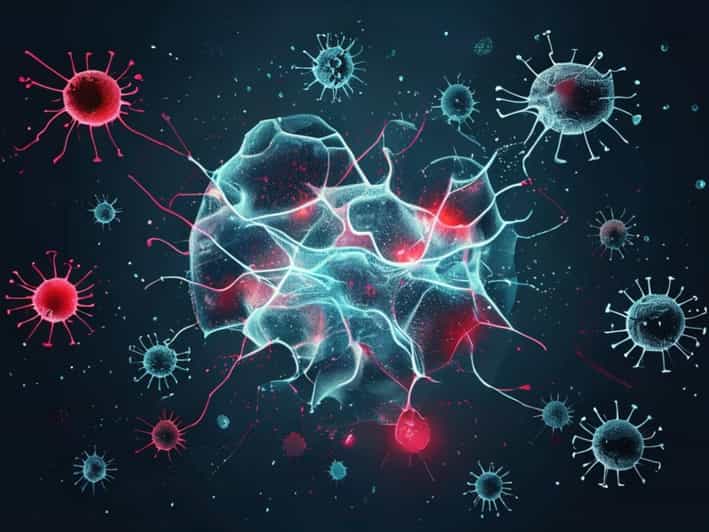
The human body is constantly exposed to bacteria, viruses, fungi, and other microorganisms that have the potential to cause illness. Most of the time, we remain healthy without even noticing these threats because our immune system is working quietly in the background. One of the most important parts of this defense system is a group of specialized cells that engulf and destroy invading microbes. These cells act as the body’s frontline defenders, identifying harmful organisms, surrounding them, and breaking them down before they can spread.
The Role of the Immune System in Defense
The immune system is a complex network made up of organs, tissues, proteins, and cells that work together to protect the body. Its main job is to recognize what belongs in the body and what does not. When harmful microbes enter, immune responses are triggered almost immediately.
Cells that engulf and destroy invading microbes are part of the innate immune system. This branch of immunity provides a fast, general response that does not require prior exposure to a pathogen.
What Does It Mean to Engulf and Destroy Microbes
Engulfing microbes is a process known as phagocytosis. During phagocytosis, immune cells surround a pathogen, pull it inside themselves, and then break it down using enzymes and toxic molecules.
This process not only removes harmful organisms but also helps alert other immune cells that an infection is present. It is a crucial step in preventing microbes from multiplying inside the body.
Phagocytosis Explained Simply
Phagocytosis can be understood as a cellular version of eating. The immune cell recognizes a microbe, wraps around it, and traps it inside a small compartment. Once inside, the microbe is destroyed and removed safely.
Types of Cells That Engulf and Destroy Invading Microbes
Several types of immune cells are responsible for engulfing and destroying microbes. Each type plays a slightly different role, but all contribute to protecting the body from infection.
Macrophages
Macrophages are large immune cells found in tissues throughout the body. Their name means big eaters, which reflects their primary function. Macrophages patrol tissues, searching for bacteria, viruses, and damaged cells.
When they encounter an invading microbe, macrophages engulf it and break it down. They also release chemical signals that attract other immune cells to the site of infection.
Neutrophils
Neutrophils are the most abundant type of white blood cell in the bloodstream. They are usually the first immune cells to arrive at the site of an infection.
Neutrophils engulf and destroy invading microbes quickly and efficiently. Although they have a short lifespan, their rapid response makes them essential for controlling infections in their early stages.
Dendritic Cells
Dendritic cells also perform phagocytosis, but they have an additional role. After engulfing microbes, they present pieces of those microbes to other immune cells.
This process helps activate the adaptive immune system, which provides a more specific and long-lasting defense.
How These Cells Recognize Invading Microbes
Cells that engulf and destroy invading microbes must be able to tell the difference between harmless body cells and dangerous pathogens. They do this by recognizing specific patterns found on microbes.
These patterns are common features of bacteria and viruses but are not usually present on human cells. This allows immune cells to respond quickly without harming healthy tissue.
Pattern Recognition Receptors
Immune cells use specialized receptors on their surface to detect microbes. These receptors bind to structures commonly found on pathogens, triggering the engulfment process.
This recognition system helps ensure that the immune response is both fast and effective.
What Happens After Microbes Are Destroyed
Once a microbe has been engulfed and destroyed, the immune cell does not simply move on. The breakdown products can be used to communicate with other parts of the immune system.
This communication helps coordinate a stronger response if needed and supports the development of immune memory.
Cleaning Up the Battlefield
In addition to killing microbes, phagocytic cells help remove dead cells and debris from infected tissues. This cleanup process supports healing and reduces inflammation.
The Importance of These Cells in Everyday Health
Cells that engulf and destroy invading microbes work continuously, even when we feel healthy. Every small cut, breath of air, or bite of food introduces potential microbes into the body.
Without these immune cells, minor infections could quickly become serious. Their constant activity helps maintain balance and protects against disease.
When the System Is Overwhelmed
In some cases, the number of invading microbes may be too large, or the immune system may be weakened. This can happen due to stress, illness, or certain medical treatments.
When phagocytic cells cannot keep up, infections may spread, leading to noticeable symptoms such as fever, swelling, and fatigue.
Supporting Immune Function
A healthy lifestyle can support the function of cells that engulf and destroy invading microbes. Proper nutrition, adequate sleep, and regular physical activity all contribute to a strong immune response.
Cells That Engulf Microbes and Inflammation
Inflammation is a natural response to infection and injury. Phagocytic cells play a key role in triggering inflammation by releasing signaling molecules.
While inflammation can cause discomfort, it helps bring more immune cells to the affected area and supports the elimination of microbes.
Connection to Vaccines and Immune Memory
Cells that engulf and destroy invading microbes are also involved in how vaccines work. By processing harmless versions of pathogens, these cells help train the immune system.
This training allows the body to respond more quickly and effectively if it encounters the real pathogen in the future.
Building Long-Term Protection
Through communication with other immune cells, phagocytic cells help create immune memory. This memory is what allows the immune system to recognize and fight familiar microbes more efficiently.
Why These Cells Are Essential to Survival
From an evolutionary perspective, cells that engulf and destroy invading microbes are essential for survival. They provide a rapid, non-specific defense that protects against a wide range of pathogens.
Without them, the body would struggle to control infections long enough for other immune responses to develop.
Cells That Engulf and Destroy Invading Microbes
Cells that engulf and destroy invading microbes are among the most important defenders in the immune system. Through the process of phagocytosis, they identify threats, eliminate harmful organisms, and support communication between different immune pathways.
Although their work often goes unnoticed, these cells are constantly protecting the body from infection. Understanding their role highlights how complex and effective the immune system truly is, working every moment to keep us healthy and resilient.