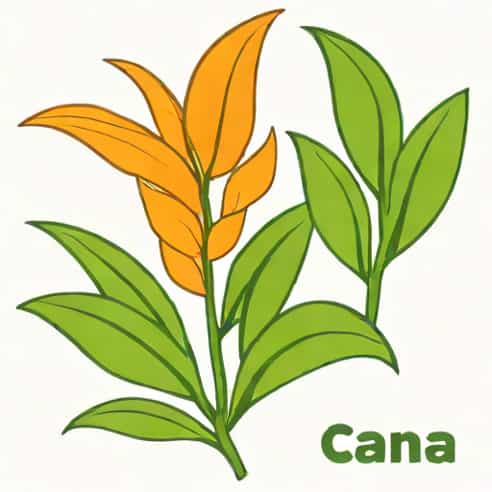
The question of whether a canna plant has a petiole may seem simple, but understanding it fully requires a closer look at plant anatomy and the characteristics of Canna species. The petiole is the stalk that attaches the leaf blade to the stem, playing an essential role in supporting the leaf and transporting nutrients and water between the leaf and the rest of the plant. In horticulture and botany, knowing the presence and function of the petiole is important for plant identification, care, and propagation. Exploring the structure of the canna leaf, its petiole, and how it contributes to the plant’s overall growth will provide a comprehensive understanding for gardeners, botanists, and plant enthusiasts.
What is a Petiole?
A petiole is the stalk that connects a leaf to the plant’s stem. It serves multiple functions, including positioning the leaf for optimal sunlight exposure, allowing flexibility in windy conditions, and transporting water, nutrients, and photosynthetic products between the leaf and the stem. Petioles vary widely in length, thickness, and structure across plant species, and their presence or absence is often used as a key characteristic in plant identification.
Functions of a Petiole
-
SupportKeeps the leaf blade attached and helps position it for maximum sunlight absorption.
-
FlexibilityAllows the leaf to move with the wind, reducing the risk of tearing or damage.
-
TransportCarries water and minerals from the stem to the leaf and moves photosynthetic sugars back to the stem.
Structure of Canna Leaves
Canna plants are known for their large, broad, and vibrant leaves, which can vary in color from green to red or purple. Each leaf consists of a blade, which is the broad flat part responsible for photosynthesis, and a stalk that connects it to the main stem. This stalk is commonly referred to as the petiole. In Canna species, the petiole is generally thick and fleshy, providing strong support for the large leaf blade, which can be quite heavy compared to other plants.
Characteristics of the Canna Petiole
-
ThicknessThe petiole of a canna plant is relatively thick and sturdy, designed to support the broad leaf blade.
-
LengthIt varies depending on the size of the leaf, with larger leaves having longer petioles.
-
FlexibilityWhile thick, the petiole can bend without breaking, which helps the leaf withstand strong winds and heavy rain.
-
ColorTypically green, but may show reddish hues in some varieties, blending aesthetically with the leaf and stem.
Yes, Canna Has a Petiole
To answer the question directly yes, Canna plants do have a petiole. The petiole is a fundamental part of the leaf structure, connecting the leaf blade to the rhizomatous stem of the plant. It allows the leaf to stand upright or arch gracefully and positions it to capture sunlight effectively. Gardeners often notice the petiole when handling the leaves, as it can be quite strong and durable. Understanding this feature is important for activities like pruning, propagating, or caring for the plant.
Role in Growth and Propagation
-
Leaf SupportBy keeping the leaf elevated, the petiole ensures efficient photosynthesis, which is vital for the plant’s growth.
-
PropagationWhen propagating Canna through division, the petiole may provide clues about the health of each leaf and rhizome section.
-
Water TransportThe petiole ensures that water and nutrients reach the leaf blade, which is essential for the plant’s overall health and vigor.
Differences Between Canna Petioles and Other Plants
While many plants have petioles, the Canna petiole is unique due to its size, strength, and function. Unlike small herbaceous plants with thin, delicate petioles, the Canna’s petiole is thick and fleshy, designed to support large leaves and withstand environmental stress. This difference is significant in horticulture, as it informs pruning methods, planting strategies, and care routines specific to Canna plants.
Comparison Highlights
-
Thicker and more robust compared to common garden plants.
-
Supports larger leaves, which can exceed 12-18 inches in length.
-
Adapted to tropical and subtropical environments, helping leaves withstand heavy rainfall.
Common Misconceptions
Some people might assume that Canna leaves are sessile, meaning they have no petiole, because the leaves appear to emerge directly from the stem in dense clusters. However, careful observation reveals the presence of a clear stalk connecting the leaf blade to the rhizome stem. This misunderstanding often arises when examining smaller or overlapping leaves, where the petiole is partially obscured.
Clarifying Observations
- Check the base of the leaf blade for the stalk connecting it to the main stem.
- Notice that even when leaves are tightly clustered, the petiole provides flexibility and spacing.
- Recognize the petiole’s role in supporting the leaf weight and maintaining structure.
Practical Implications for Gardeners
Knowing that Canna has a petiole is important for gardeners and landscapers. The petiole’s strength allows large leaves to grow upright without additional support. During maintenance, gardeners should avoid damaging the petiole, as injuries can affect nutrient transport and leaf health. For propagation, healthy petioles indicate strong rhizomes and successful future growth. Moreover, understanding petiole length and flexibility can inform spacing decisions in garden design.
Tips for Care
- Handle leaves gently at the petiole to prevent tearing or bruising.
- Observe petiole color and firmness as indicators of plant health.
- When dividing rhizomes for propagation, note the petiole attachment to ensure each section has healthy leaves.
- Provide adequate sunlight and water to support strong petiole development.
In summary, the answer to whether Canna plants have a petiole is a clear yes. The petiole is a vital structural and functional part of the leaf, connecting the blade to the rhizome stem and ensuring proper growth, support, and nutrient transport. Its thick, fleshy structure is uniquely adapted to support the large and vibrant leaves of Canna, distinguishing it from the petioles of smaller or less robust plants. Understanding the petiole’s role helps gardeners, horticulturists, and plant enthusiasts care for, propagate, and design spaces with Canna plants effectively. Recognizing and appreciating the petiole also highlights the intricate anatomy of these tropical plants, underscoring the importance of each component in maintaining healthy, thriving foliage.