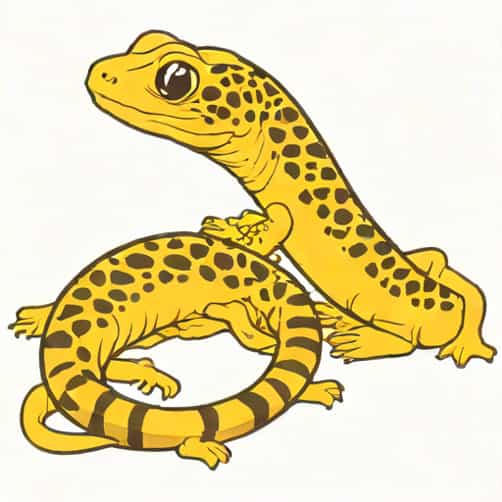
Leopard geckos are one of the most popular reptile pets in the world, cherished for their docile nature, unique patterns, and relative ease of care. Many reptile enthusiasts and breeders are curious about whether they can successfully breed leopard geckos at home and what the process entails. Breeding leopard geckos can be a rewarding experience, but it requires careful planning, proper equipment, and a solid understanding of the gecko’s biology, behavior, and environmental needs. It’s important to consider ethical breeding practices and the responsibilities involved in raising healthy offspring.
Understanding Leopard Gecko Biology
Before attempting to breed leopard geckos, it is essential to understand their basic biology. Leopard geckos are oviparous reptiles, meaning they lay eggs rather than giving birth to live young. Females typically reach sexual maturity around 8 to 12 months of age, while males become sexually mature slightly earlier. Breeding is influenced by environmental conditions such as temperature, humidity, and light cycles, which mimic their natural habitat in arid regions of Afghanistan, Pakistan, India, and Iran.
Sexing Leopard Geckos
Accurately identifying male and female geckos is a critical step in breeding. Males have a visible V-shaped row of pre-anal pores located near the vent and a pair of hemipenal bulges at the base of the tail. Females lack these features or have much less pronounced pores. Proper sexing ensures that breeding pairs are compatible and prevents unintended stress or aggressive behavior between geckos.
Preparing for Breeding
Successful breeding begins with preparing both the male and female geckos. This includes ensuring they are healthy, well-fed, and at an appropriate age. Providing a varied diet of insects such as crickets, mealworms, and dubia roaches, supplemented with calcium and vitamins, helps maintain reproductive health. Additionally, both geckos should undergo a period of brumation, which is a hibernation-like state that stimulates reproductive behavior in the spring.
Environmental Conditions
Creating the right environment is crucial for successful mating and egg-laying. Leopard geckos require a terrarium with a temperature gradient ranging from 75°F to 90°F, a hiding spot for the female, and a moist laying area known as an oviposition site. The oviposition site, typically a small container with damp substrate such as vermiculite or coconut fiber, provides a safe and controlled environment for eggs. Proper humidity levels between 30% and 40% are recommended for adult geckos, while slightly higher humidity is necessary in the egg-laying area to ensure healthy development.
Breeding Process
Once the geckos are prepared, the actual breeding process can begin. Introducing a male and female in the evening often increases the likelihood of mating. Mating behavior includes the male performing a courtship display, nudging the female and biting gently around the neck area to stimulate copulation. It is important to monitor the pair closely to ensure that the female is not stressed or injured during the process. Breeding may occur multiple times during the season, and females can store sperm, allowing them to lay multiple clutches from a single mating.
Egg Laying and Incubation
After successful mating, the female will lay eggs within 7 to 14 days. Typically, a female lays one or two eggs per clutch, and she may lay multiple clutches throughout the breeding season. Eggs should be carefully removed to a separate incubation container to prevent accidental damage or predation. The incubation temperature directly affects the sex of the hatchlings lower temperatures around 78°F tend to produce females, while higher temperatures around 88°F produce males. Maintaining stable temperatures and humidity is essential for healthy development, with incubation usually lasting 35 to 90 days depending on temperature.
Hatching and Raising Hatchlings
Hatchlings emerge fully formed, independent, and ready to feed. They require a small enclosure with hiding spots, a shallow water dish, and appropriately sized live insects. Young leopard geckos need a diet rich in calcium and vitamins to support rapid growth and skeletal development. It is important to monitor hatchlings for signs of illness or malnutrition and provide frequent, gentle handling to socialize them for future interaction.
Challenges in Breeding
- Health RisksBoth adults and hatchlings may face health issues if nutrition or environment is inadequate.
- Egg InfertilityNot all eggs are fertilized, and infertile eggs should be removed promptly to prevent mold.
- Sex Ratio ControlTemperature-dependent sex determination can make predicting the sex ratio challenging.
- Ethical ConsiderationsOverbreeding can lead to surplus geckos that may be difficult to rehome responsibly.
Ethical Breeding Practices
Breeding leopard geckos comes with responsibility. Ethical breeders prioritize the health and welfare of both adult geckos and hatchlings. This includes maintaining proper living conditions, avoiding overbreeding, and ensuring that offspring are placed in responsible homes. Documentation of lineage, health records, and feeding schedules also helps track genetics and reduce the risk of hereditary diseases. Ethical breeding ensures that the practice contributes positively to the leopard gecko community rather than creating unnecessary strain on the population.
Yes, you can breed leopard geckos successfully if you have the proper knowledge, preparation, and commitment. From understanding their biology and environmental needs to providing careful incubation and post-hatching care, breeding requires attention to detail and ethical responsibility. Leopard gecko breeding can be a rewarding experience for reptile enthusiasts, offering the opportunity to witness the full lifecycle of these fascinating reptiles. However, it is essential to approach breeding thoughtfully, prioritizing the health and welfare of the animals, and ensuring that all hatchlings are placed in loving and responsible homes.