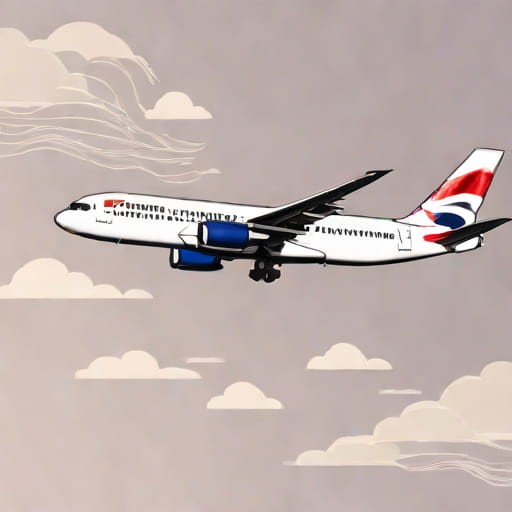
The history of British Airways and Virgin Atlantic includes intense competition, dramatic rivalry, and at least one highprofile instance where the two airlines were accused of colluding with each other in ways that breached competition law. While both are major players in longhaul aviation from the UK, their interactions over the years have ranged from legal battles and accusations to cooperation in industry agreements. One of the most widely discussed controversies involves allegations that the airlines worked together in a way that fixed fuel surcharges on ticket prices, drawing scrutiny from regulators in the United Kingdom and the United States. This episode remains an important reminder of the strict rules governing competition in global aviation and the consequences for breaching those rules.
Background of the Rivalry
British Airways (BA) and Virgin Atlantic have long competed for market share on transatlantic and other longhaul routes. Founded by Sir Richard Branson, Virgin Atlantic positioned itself as a bold challenger to the legacy carrier, British Airways, through innovative marketing and service offerings. Over time, the competition between the two carriers intensified, with Virgin Atlantic pushing into routes traditionally dominated by BA. The rivalry included aggressive promotional campaigns and strategic maneuvers to capture and retain passengers, especially on lucrative routes between the UK and the United States.
Dirty Tricks and Early Conflicts
Before focusing on alleged collusion, the relationship between BA and Virgin Atlantic was marked by contentious legal and commercial battles. One wellknown episode in the 1990s, often referred to as the Dirty Tricks scandal, saw Virgin Atlantic accusing British Airways of using underhanded tactics to undermine the newer airline’s success. These claims included allegations that BA had sought confidential passenger information, impersonated Virgin staff, and spread misleading reports to the press, though BA denied wrongdoing. The conflict ultimately led to legal action and helped cement Virgin Atlantic’s reputation as a resilient competitor in the aviation industry.
Allegations of Collusion Over Fuel Surcharges
One of the most significant instances of alleged collusion between British Airways and Virgin Atlantic emerged in the mid2000s. Both airlines were accused of secretly coordinating fuel surcharges – extra fees added to ticket prices to cover rising fuel costs – on longhaul flights. Regulators in the UK and the United States investigated whether BA and Virgin Atlantic had improperly discussed and agreed upon these surcharges rather than setting them independently, which would violate competition laws designed to prevent pricefixing and protect consumers.
Investigations by Competition Authorities
The Office of Fair Trading (OFT) in the UK and the United States Department of Justice (DoJ) conducted parallel investigations into the alleged collusion. In 2007 and 2008, British Airways acknowledged that it had colluded with Virgin Atlantic on fuel surcharges and agreed to pay substantial fines to authorities. In the UK, BA was fined more than £121 million by the OFT, a record penalty at the time for antitrust violations. Meanwhile, the U.S. Department of Justice imposed an additional fine of approximately $300 million (around £150 million) related to pricing practices on passenger and cargo flights. In total, these actions resulted in fines of around £270 million for British Airways.
Virgin Atlantic’s Immunity and Cooperation
Unlike British Airways, Virgin Atlantic did not face similar financial penalties because it cooperated with authorities under leniency policies. These policies encourage companies to come forward and assist with investigations in exchange for reduced or eliminated penalties. Virgin Atlantic’s willingness to report the cartellike behavior and provide information helped authorities build a clearer picture of what had occurred while preserving its legal standing.
Legal Proceedings and Controversies
Following the investigations, several British Airways executives were charged under UK competition law with offenses related to pricefixing in collusion with Virgin Atlantic. The case garnered significant media attention, as it was one of the first highprofile criminal prosecutions of airline executives under the Enterprise Act 2002. However, the prosecution faced challenges, and ultimately, some charges against BA executives were dropped because key evidence was not offered by prosecutors after long delays in disclosure. Despite these legal twists, the initial fines and findings stood as a major vindication of regulators’ efforts to control anticompetitive conduct in the airline industry.
Passenger Compensation and Industry Impact
As a result of the collusion scandal, British Airways and Virgin Atlantic set aside funds – reportedly around £100 million – to compensate passengers who were affected by overcharges due to fuel surcharge coordination. These compensation efforts reflected the view that customers may have paid higher prices than they would have in a competitive market. The episode also prompted airlines and regulators alike to rethink how competition law applies to pricing strategies in international aviation and underscored the need for transparent pricing practices.
Why Collusion Matters in Aviation
Collusion between major airlines like British Airways and Virgin Atlantic is taken seriously by regulators because it undermines competitive markets and can lead to higher prices for passengers. Competition law exists to ensure that companies compete fairly, innovate, and offer better value to consumers. When airlines share pricing strategies or coordinate surcharges, it can distort the market, reduce incentives to cut costs, and ultimately harm passengers through elevated fares. The BAVirgin surcharge case serves as an important example of how competition authorities enforce these laws and safeguard consumer interests.
Broader Regulatory Context
The airline industry is subject to strict regulations in many jurisdictions, including rules against cartels, pricefixing, and anticompetitive agreements. Beyond the BAVirgin Atlantic case, airlines must navigate a complex web of international, national, and regional competition laws. These laws are designed to promote innovation, fairness, and efficiency in markets that have historically been prone to monopolistic behavior, high entry costs, and concentrated ownership. The role of agencies like the UK’s Competition and Markets Authority (CMA) and the U.S. Department of Justice is to investigate potential violations and ensure that airlines comply with legal standards.
Continuing Relations and Cooperation
Despite past conflicts and legal battles, British Airways and Virgin Atlantic have also engaged in cooperation on certain industry matters. For example, BA participates in transatlantic joint business agreements with American Airlines and other partners, which are sometimes scrutinized by competition authorities for their impact on market dynamics. The complex interplay between competition and cooperation in global aviation illustrates how airlines balance rivalry with strategic partnerships to optimize routes, schedules, and market access. Regulators continue to monitor these arrangements to ensure they do not disadvantage other carriers or consumers.
The Future of Competition Between BA and Virgin
Today, the competitive landscape between British Airways and Virgin Atlantic continues to evolve. Both airlines remain major operators on transatlantic routes, often directly competing for the same passengers. Virgin Atlantic has pursued partnerships, such as its joint venture with Delta Air Lines, to strengthen its market position. Meanwhile, British Airways remains a key part of International Airlines Group (IAG), giving it access to broader global networks. The legacy of past collusion cases remains a cautionary backdrop to this competition, reminding airlines that competitive strategies must operate within the boundaries of law and fair practice.
The story of British Airways and Virgin Atlantic collusion highlights a notable episode in aviation history where competition, regulation, and legal enforcement intersected. The allegation that the two airlines coordinated fuel surcharges, leading to regulatory fines and compensation funds for passengers, underscores the importance of competition law in protecting consumers. While Virgin Atlantic avoided fines through cooperation, British Airways faced significant penalties, and both carriers took steps to address the fallout. Beyond this specific case, the broader relationship between the airlines shows how complex and dynamic competition in the aviation industry can be, with ongoing regulatory scrutiny and strategic maneuvering shaping the market for passengers around the world.