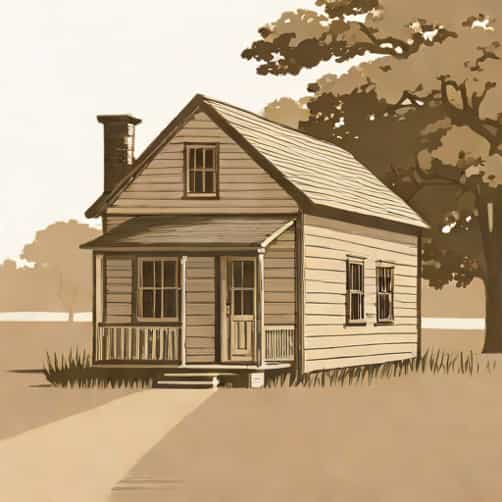
Harriet Tubman, one of the most iconic figures in American history, is celebrated for her bravery, leadership, and unwavering commitment to freedom. Born into slavery in the early 1820s, her early life was shaped by the harsh realities of bondage, yet it also laid the foundation for her remarkable courage and determination. Understanding the birthplace of Harriet Tubman provides context to her formative years and the environment that influenced her path toward becoming a conductor on the Underground Railroad, a Civil War spy, and an enduring symbol of resilience and liberation.
Early Life and Birthplace
Harriet Tubman was born Araminta Ross around 1822, though exact records of her birth are scarce due to the lack of documentation for enslaved individuals. Her birthplace is widely recognized as Dorchester County, Maryland, in the rural area of the Eastern Shore. This region was characterized by its plantation economy, where enslaved African Americans labored under brutal conditions. Growing up in this environment exposed Harriet to the systemic injustices of slavery while also fostering a deep sense of empathy and resolve to fight for freedom.
Dorchester County, Maryland
Dorchester County, located on Maryland’s Eastern Shore, was a place of both natural beauty and stark hardship. Swamps, forests, and waterways surrounded the small communities, which were primarily agricultural. Enslaved people worked on tobacco and corn plantations, facing grueling labor from dawn until dusk. Harriet Tubman’s family, like many others, experienced the hardships of forced labor, limited access to education, and the constant threat of separation through sale or transfer. Despite these challenges, the close-knit family structures and oral traditions helped preserve cultural identity and resilience.
Impact of Her Birthplace on Her Development
Growing up in Dorchester County influenced Harriet Tubman’s early experiences and worldview. She witnessed firsthand the cruelty of slavery, including the physical abuse of enslaved individuals and the denial of basic human rights. These formative experiences instilled in her a profound understanding of injustice and a desire to change the lives of others. The rural landscape, with its forests, rivers, and hidden paths, later played a critical role in her ability to navigate escape routes as a conductor on the Underground Railroad.
Family Background
Harriet was one of nine children born to Harriet Rit Green and Benjamin Ross. Her parents were enslaved and endured the daily challenges of life under bondage. The family’s struggles and bonds shaped Harriet’s sense of responsibility and determination. Early hardships, including witnessing the suffering of family members and enduring physical punishment herself, strengthened her resolve to seek freedom not only for herself but for others.
Influence of Family on Harriet Tubman
- Parental GuidanceHer parents’ resilience and faith provided a moral foundation and example of perseverance.
- Sibling BondsRelationships with her brothers and sisters fostered a sense of community and mutual support.
- Early Exposure to InjusticeObserving the hardships endured by her family and community reinforced her commitment to fighting slavery.
Slavery in Maryland
Maryland was a slave state with a complex social and economic structure. Enslaved individuals worked in agriculture, domestic service, and skilled trades, often subjected to harsh discipline and restrictions on movement and education. Laws limited the rights of enslaved people and made escape extremely dangerous. The prevalence of slavery in Maryland, especially in areas like Dorchester County, created a backdrop of systemic oppression that Harriet Tubman would later confront directly through her courageous efforts to liberate others.
Conditions Faced by Enslaved People
- Forced labor from early childhood, including fieldwork and household duties.
- Physical punishment and intimidation as tools of control.
- Limited access to literacy and education, with laws prohibiting teaching enslaved individuals to read or write.
- Family separations due to sale or transfer of enslaved individuals.
Harriet Tubman’s Escape from Slavery
Harriet Tubman’s intimate knowledge of her birthplace and surrounding geography enabled her to escape to freedom in 1849. Using the rivers, forests, and hidden paths of Dorchester County and surrounding areas, she navigated north to Philadelphia, Pennsylvania, a free state. Her successful escape marked the beginning of her extraordinary work on the Underground Railroad, during which she risked her life repeatedly to guide others to freedom.
Strategic Use of Local Geography
- Rivers and waterways provided natural pathways and cover during escape.
- Forests and swamps offered concealment from slave catchers and patrols.
- Knowledge of local terrain allowed Harriet to plan routes and anticipate obstacles effectively.
- Familiarity with her birthplace and surrounding regions gave her confidence and resilience during dangerous journeys.
Legacy of Her Birthplace
Harriet Tubman’s birthplace in Dorchester County, Maryland, remains a site of historical significance. It represents the starting point of her remarkable journey from enslaved child to celebrated abolitionist and leader. Today, the Harriet Tubman Underground Railroad National Historical Park and related sites preserve her legacy and educate visitors about the challenges she faced and the courage she demonstrated. Her birthplace serves as a symbol of resilience, hope, and the enduring fight for freedom.
Preservation and Education
- Historical markers and parks highlight the significance of Dorchester County in Tubman’s life.
- Museums and guided tours provide educational resources about slavery, the Underground Railroad, and Tubman’s achievements.
- Community programs encourage reflection on social justice, equality, and human rights.
- Her birthplace continues to inspire scholars, students, and activists worldwide.
The birthplace of Harriet Tubman in Dorchester County, Maryland, offers critical insight into the early life of one of America’s most influential figures. It was within this rural, oppressive environment that she developed the resilience, courage, and determination that would define her legacy. Understanding the conditions, family dynamics, and local geography of her birthplace provides context for her later accomplishments as a conductor on the Underground Railroad, a Civil War spy, and a tireless advocate for freedom and justice. Today, her birthplace stands as a testament to her enduring impact on American history and a reminder of the extraordinary strength and bravery that can emerge from even the most challenging circumstances.