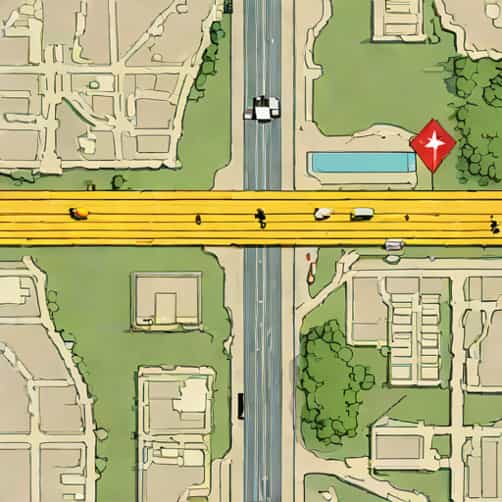
If you’re heading to LSU Tigers football in Baton Rouge or navigating the roads around the stadium today, it’s important to understand the contraflow traffic plan in place to help move crowds efficiently. Contraflow systems are used to redirect traffic and improve flow after large events, such as football games, by temporarily changing the direction of certain lanes or roads. The city of Baton Rouge and its partners with the university and law enforcement agencies implement these strategies to ease postgame congestion, keep drivers safe, and maintain order in areas close to campus and major access roads.
What Is a Contraflow Traffic Plan?
A contraflow traffic plan temporarily alters the normal flow of traffic on certain roads to create more efficient exit routes for drivers after major events. In the context of Baton Rouge and LSU home games, contraflow might involve
- Closing inbound lanes and converting them to outbound traffic only.
- Redirecting parking lot exits toward major highways like Interstate 10 or River Road.
- Using campus streets and neighboring roads in atypical ways, guided by law enforcement, to funnel large numbers of vehicles away from the stadium quickly.
This approach helps manage thousands of vehicles leaving the venue at roughly the same time and aims to reduce bottlenecks, long delays, and frustrated drivers.
Why Contraflow Is Important on Game Days
On a typical home game day at Tiger Stadium, the volume of traffic near campus spikes dramatically. Without a structured plan, drivers can face hours of delay. Here’s why the contraflow setting in Baton Rouge matters
Managing High Volume
With tens of thousands of fans departing simultaneously, normal traffic patterns become inefficient. Contraflow allows higher capacity and smoother transitions to major roadways by reversing or dedicating lanes specifically for exiting traffic.
Safety and Control
Large crowds and heavy vehicle movement in a concentrated area increase the risk of accidents or disorderly traffic. Police, university officials, and traffic engineers collaborate to direct vehicles safely and avoid conflicts with pedestrian traffic and tailgaters.
Faster Clearance of Roads
The sooner traffic leaves the immediate campus vicinity, the safer and faster the dispersal becomes. The contraflow plan is designed to shorten the time drivers spend exiting the stadium area and reduce leftover congestion around residential neighborhoods.
How Baton Rouge Implements Contraflow
The city of Baton Rouge and LSU Athletics release maps and guidelines ahead of each home game, outlining which roads will be used, which will be closed, and how drivers should proceed. According to recent announcements
- Outbound traffic from campus is directed toward major routes like Gourrier Avenue to River Road or Nicholson Drive exiting the stadium grounds. contentReference[oaicite2]
- Some roads within the campus or near the lakes may be closed or repurposed for oneway traffic to streamline flow. contentReference[oaicite3]
- Realtime traffic resources from the city of Baton Rouge list incident updates, closures and assist drivers in finding alternate routes. contentReference[oaicite4]
For example, after a home game, roads that typically carry inbound vehicle traffic may be converted to outboundonly lanes so that vehicles can leave the stadium area rapidly without encountering cross traffic or incoming fans.
Driver Advice for Today
If you are driving today and expect to use exit routes after a game or event, keep these tips in mind
- Arrive early or leave early if possible; traffic is lighter before and after the main surge.
- Follow signage, officer instructions and any temporary traffic pattern changes such directions override usual expectations.
- Use a navigation app to monitor realtime traffic and find any sudden changes due to closures or updates.
- Consider parking in lots that exit in the direction of your planned route home to avoid being forced into long detours. contentReference[oaicite5]
- Be patient and anticipate slower speeds immediately after the game as thousands of vehicles merge into major roadways.
Challenges and Considerations
Although contraflow systems help ease traffic flow, they are not flawless. Several challenges affect the execution and driver experience
Local Residents and Alternate Routes
Some residents in neighborhoods around the stadium report that contraflow plans force them through congested areas or extended detours. Research from the university indicates that local traffic impact is a concern and suggests the system might require finetuning. contentReference[oaicite6]
Variable Traffic Patterns
Not all events end in one concentrated departure. If some fans leave early, or if the game ends unexpectedly, traffic flows differ from the ideal model, which can reduce the effectiveness of planned contraflow lanes. Traffic engineers must adjust dynamically.
Construction and Road Work
Campus and neighboring road closures such as those for infrastructure projects can complicate contraflow setups. For example, some roads near the LSU Lakes and underpasses are temporarily closed, affecting exit paths. contentReference[oaicite7]
Knowing Where to Find Updates
Staying informed is key when navigating contraflow or event traffic in Baton Rouge. Useful sources include
- The traffic resources page for the city and parish of Baton Rouge, listing incidents and closures. contentReference[oaicite8]
- University event pages and official announcements for home games and traffic plans. contentReference[oaicite9]
- Local traffic maps and apps offering live updates, closures, and directional changes. contentReference[oaicite10]
Having this information in advance and during your trip enables you to adjust your route to minimize delay and avoid confusion.
Contraflow traffic plans in Baton Rouge, particularly around LSU home games, are designed to manage heavy outbound traffic efficiently and safely. By temporarily redirecting lanes, closing certain roads, and guiding vehicles toward major exits, the city and university aim to reduce congestion and improve the driver experience. While there are challenges especially for local neighborhood traffic and varying gameday conditions fans and drivers can make the process smoother by following posted directions, using realtime traffic updates, and planning parking exits with the final route home in mind. If you’re attending or leaving a game today, staying informed, staying patient, and following the contraflow guidance will help you navigate the postevent traffic with less frustration and more ease.