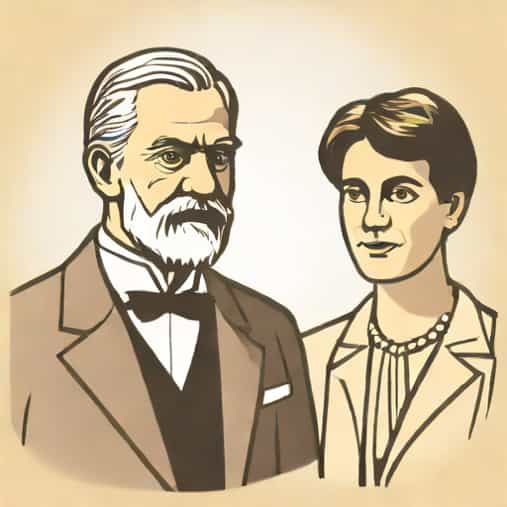
The legacy of the Freud family has profoundly shaped modern psychology, with both Sigmund Freud and his daughter Anna Freud making groundbreaking contributions that continue to influence the field today. Sigmund Freud, often regarded as the father of psychoanalysis, laid the foundation for understanding the unconscious mind, defense mechanisms, and human behavior. Anna Freud, following in her father’s footsteps, expanded these ideas into child psychology and the development of ego psychology, leaving a lasting impact on therapeutic practices and educational approaches worldwide. Understanding the relationship and intellectual exchange between Anna and Sigmund Freud provides a fascinating glimpse into the evolution of psychological thought and the dynamics of a family deeply intertwined with the science of the mind.
Sigmund Freud The Pioneer of Psychoanalysis
Sigmund Freud was born in 1856 in Freiberg, Moravia, and later moved to Vienna, where he developed his revolutionary theories on the human mind. He introduced concepts such as the unconscious, the id, ego, and superego, as well as defense mechanisms that protect the psyche from anxiety. Freud’s work emphasized the importance of early childhood experiences, dreams, and the influence of sexual drives on behavior. His psychoanalytic method, which involved talk therapy and free association, provided the groundwork for understanding human behavior and mental disorders.
Major Contributions of Sigmund Freud
- Psychoanalytic TheoryFreud’s theory of personality introduced the structural model of the mind, consisting of the id, ego, and superego.
- Defense MechanismsConcepts such as repression, projection, and denial explained how individuals cope with anxiety and internal conflicts.
- Dream AnalysisFreud proposed that dreams reveal unconscious desires and conflicts, providing insight into the inner workings of the mind.
- Childhood DevelopmentHe emphasized the significance of psychosexual stages in shaping personality and behavior.
Anna Freud Expanding Psychoanalysis to Children
Anna Freud was born in 1895 in Vienna as the youngest daughter of Sigmund and Martha Freud. Growing up in a household immersed in psychological thought, she was naturally drawn to her father’s work. Anna Freud initially trained as a psychoanalyst under her father’s guidance and quickly developed her own expertise, particularly in child psychology. She is best known for extending psychoanalytic theory to children and adolescents, demonstrating how defense mechanisms operate in early development and creating practical approaches for understanding and supporting children facing psychological challenges.
Key Contributions of Anna Freud
- Child PsychoanalysisAnna adapted her father’s theories to address the unique psychological needs of children, pioneering techniques for child therapy.
- Ego PsychologyShe emphasized the role of the ego in development, focusing on how children manage internal and external demands.
- Defense Mechanisms in ChildrenAnna identified and categorized defense mechanisms in children, such as regression, projection, and sublimation, helping to explain emotional and behavioral responses.
- Educational and Clinical WorkThrough her work at the Hampstead Child Therapy Clinic in London, she developed programs and therapeutic strategies that continue to influence child psychology today.
The Relationship Between Anna and Sigmund Freud
The professional relationship between Anna and Sigmund Freud was deeply intertwined with familial bonds. Anna often served as a confidante and collaborator, assisting her father in research and analysis while also developing her own intellectual independence. While Sigmund laid the theoretical foundation, Anna applied and expanded these concepts, particularly in practical settings with children. Their correspondence and interactions reflect mutual respect, intellectual curiosity, and occasional tensions as Anna carved out her own contributions to the field. This dynamic highlights how generational collaboration can foster both continuity and innovation within a scientific discipline.
Influence on Each Other’s Work
Sigmund Freud’s theories profoundly influenced Anna’s approach to psychology, providing a framework for understanding human behavior and mental processes. Conversely, Anna’s clinical observations and practical applications informed her father’s understanding of child development and ego functioning. Together, they bridged the gap between theoretical psychoanalysis and practical interventions, illustrating how familial mentorship can accelerate intellectual growth and refinement.
Impact on Modern Psychology
The combined contributions of Sigmund and Anna Freud continue to resonate in contemporary psychology. Sigmund Freud’s exploration of the unconscious and defense mechanisms laid the groundwork for numerous therapeutic modalities, including psychodynamic therapy, cognitive-behavioral approaches, and psychoanalytic interventions. Anna Freud’s emphasis on child development and ego psychology enriched the field of developmental psychology, influencing educational practices, child therapy, and family counseling. Their work collectively underscores the importance of understanding both the inner psyche and observable behaviors in promoting mental health and emotional well-being.
Legacy and Recognition
- Sigmund Freud is remembered as the founder of psychoanalysis, whose theories continue to inspire research, debate, and clinical practice worldwide.
- Anna Freud is celebrated as a pioneer in child psychology, whose practical applications and theoretical advancements transformed approaches to childhood mental health.
- Together, they exemplify the integration of theory and practice, demonstrating how intellectual exploration within a family context can leave a lasting impact on scientific and clinical disciplines.
The story of Anna Freud and Sigmund Freud illustrates the profound interplay between familial influence and professional achievement. Sigmund Freud’s groundbreaking theories provided a foundation for understanding the complexities of the human mind, while Anna Freud’s innovative work in child psychology expanded these concepts into practical applications that continue to benefit children and families worldwide. Their combined legacies highlight the enduring importance of psychoanalysis, ego psychology, and child development, serving as a testament to the lasting influence of their intellectual contributions and the unique bond between father and daughter in shaping the course of modern psychology.