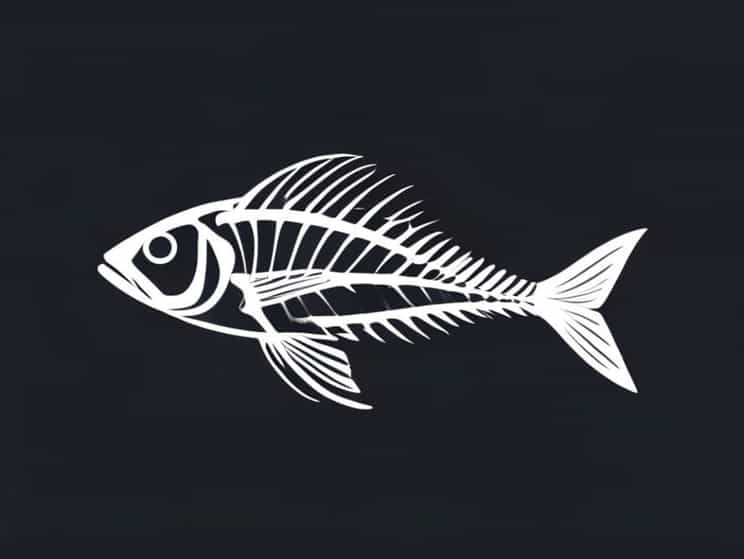
Bony fish, scientifically known as osteichthyes, represent the largest and most diverse class of fish in the aquatic world. They are distinguished by their internal skeleton made primarily of bone rather than cartilage, which provides structural support, protection, and an anchor for muscles. Understanding the anatomy of a bony fish is crucial for marine biologists, aquaculture specialists, and students of comparative anatomy. The anatomy of these fish reveals adaptations that allow them to survive in various aquatic environments, from shallow freshwater streams to deep ocean habitats, and includes features related to locomotion, respiration, feeding, and reproduction.
Skeletal System
The defining characteristic of bony fish is their bony skeleton, which provides strength and flexibility. Unlike cartilaginous fish, their bones are rigid, well-calcified, and provide protection for vital organs. The skeleton can be divided into two main regions the axial skeleton and the appendicular skeleton.
Axial Skeleton
The axial skeleton forms the main axis of the fish and includes the skull, vertebral column, and ribs. The skull houses the brain and sensory organs, while the vertebral column runs along the body, providing support and flexibility for swimming movements. Ribs extend from the vertebrae to protect internal organs and assist in locomotion by providing attachment points for muscles.
Appendicular Skeleton
The appendicular skeleton includes the paired fins, which consist of pectoral and pelvic fins, and the unpaired fins, including the dorsal, anal, and caudal fins. These structures provide balance, steering, and propulsion. Bones in the fins serve as attachment points for muscles, allowing precise control of movement and stability in the water.
Muscular System
The muscular system in bony fish is highly developed and plays a critical role in locomotion and feeding. Muscles are organized into segments called myomeres, which are arranged in a zigzag pattern along the body. This arrangement allows the fish to bend its body efficiently and produce the undulating movements necessary for swimming. Muscles associated with fins provide additional maneuverability, aiding in turning, braking, and hovering in water.
Respiratory System
Bony fish rely on gills for respiration, extracting oxygen from water and releasing carbon dioxide. Gills are located in gill chambers covered by a bony operculum, which protects the delicate structures inside. Water enters the mouth, passes over the gill filaments, and exits through the opercular openings. Gill filaments are rich in blood vessels, facilitating efficient gas exchange. Some bony fish also possess accessory structures, such as a swim bladder, which can function in gas exchange in certain species.
Swim Bladder
The swim bladder is a gas-filled organ that provides buoyancy, allowing fish to maintain their position in the water column without constant swimming. It is connected to the digestive tract in some species (physostomous) or operates independently (physoclistous). The swim bladder is a key adaptation that conserves energy and aids in vertical movement.
Digestive System
The digestive system of bony fish is adapted to their diet, which can range from plankton to other fish. Food enters through the mouth, where it may be captured using teeth or specialized structures like gill rakers. The esophagus transports food to the stomach, where chemical digestion begins. Nutrients are absorbed in the intestines, and undigested material is excreted through the anus. Some fish also possess pyloric caeca, finger-like projections near the stomach that increase surface area for digestion and nutrient absorption.
Circulatory System
Bony fish have a closed circulatory system with a two-chambered heart consisting of an atrium and ventricle. Deoxygenated blood flows from the body into the atrium, then into the ventricle, which pumps it through the gills for oxygenation. Oxygenated blood is distributed to tissues and organs via arteries. The circulatory system is efficient and supports the high metabolic demands of active swimming and feeding.
Nervous System
The nervous system of bony fish is composed of the brain, spinal cord, and peripheral nerves. The brain is divided into regions that control sensory input, motor functions, and behavior. Sensory organs, including eyes, olfactory organs, lateral line system, and inner ear, allow fish to detect light, chemicals, vibrations, and changes in water pressure. The lateral line is a specialized organ that detects movement and pressure changes in the surrounding water, enabling fish to navigate, avoid predators, and locate prey.
Reproductive System
Bony fish exhibit a variety of reproductive strategies, including external and internal fertilization. The gonads, testes in males and ovaries in females, produce gametes. In most species, eggs and sperm are released into the water for external fertilization, while some species practice internal fertilization and give live birth. Reproductive adaptations can include specialized courtship behaviors, nest building, and parental care to increase offspring survival.
Excretory System
The excretory system in bony fish includes paired kidneys that remove metabolic wastes and maintain osmotic balance. Freshwater fish actively excrete large volumes of dilute urine to prevent water overload, while marine fish conserve water by producing concentrated urine. The kidneys work alongside gills to regulate ion balance and maintain homeostasis in varying aquatic environments.
Integumentary System
The skin of bony fish is covered with overlapping scales that provide protection and reduce friction while swimming. The scales are often coated with a mucus layer that helps prevent infection and facilitates smooth movement through water. Skin and scales also play a role in camouflage, communication, and sensory detection.
The anatomy of a bony fish is a marvel of evolutionary adaptation, combining skeletal strength, muscular efficiency, respiratory specialization, and sensory precision. Each system from the bony skeleton and myomere muscles to the gills, swim bladder, and sensory organs contributes to the fish’s ability to thrive in diverse aquatic habitats. Understanding the anatomy of bony fish not only provides insight into their biology and ecology but also informs aquaculture practices, fisheries management, and comparative anatomy studies. The intricate design of these fish demonstrates the delicate balance between structure, function, and environment, making bony fish one of the most successful vertebrate groups in the animal kingdom.