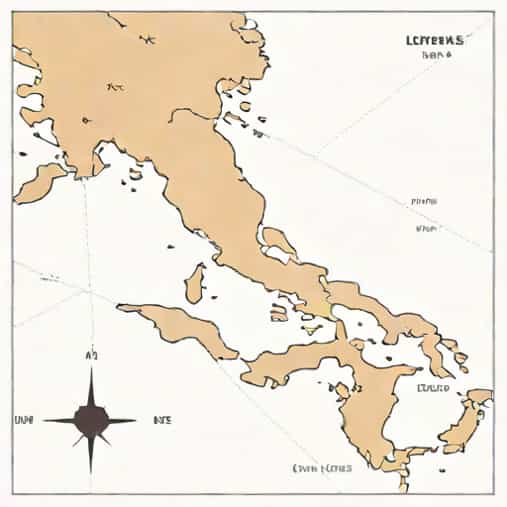
A map of the Lesser Antilles often inspires curiosity about this graceful chain of islands scattered across the eastern Caribbean Sea. Even without a physical map present, exploring the geography, culture, and natural features of the Lesser Antilles can give readers a vivid sense of place. These islands, shaped by volcanic activity and centuries of cultural exchange, form one of the most distinctive regions in the Caribbean. Understanding their layout and characteristics helps travelers, students, and enthusiasts visualize the region more clearly, especially when imagining how the islands align in a sweeping arc from north to south.
Geographic Overview of the Lesser Antilles
The Lesser Antilles form a long curved arc that separates the Caribbean Sea from the Atlantic Ocean. While a map of the Lesser Antilles shows the exact placement of each island, it is equally meaningful to describe how they are grouped. This island chain consists of three primary subregions the Leeward Islands, the Windward Islands, and the Leeward Antilles.
The Leeward Islands
The northern section of the Lesser Antilles is known as the Leeward Islands. These islands are generally smaller in land area but rich in diverse ecosystems, lush mountains, and beautiful coasts. They lie in the region historically referred to as leeward because they received less direct exposure to trade winds compared to islands farther south.
- Antigua and Barbuda
- Saint Kitts and Nevis
- Anguilla
- Montserrat
- Saint Barthélemy
- Saint Martin
- Guadeloupe
Each of these islands has unique geographical features, yet they share similar climates marked by warm temperatures, steady breezes, and seasonal rainfall. Their strategic location has made them important centers for trade and tourism.
The Windward Islands
Moving south along a map of the Lesser Antilles, the Windward Islands appear on the next stretch of the arc. These islands face the trade winds more directly, which plays a role in their weather patterns. They are also known for their dramatic landscapes, many shaped by volcanic origins.
- Dominica
- Martinique
- Saint Lucia
- Saint Vincent and the Grenadines
- Grenada
The Windward Islands offer a blend of rugged mountains, fertile valleys, and rich cultural traditions. They represent some of the most striking terrain in the Caribbean and attract travelers drawn to nature, hiking, and cultural exploration.
The Leeward Antilles
Just off the northern coast of South America lies the third group the Leeward Antilles. Unlike the other two groups, these islands sit closer to Venezuela. They experience drier conditions overall due to their unique placement outside the direct path of many tropical storms.
- Aruba
- Curaçao
- Bonaire
- Isla Margarita and nearby islands
The Leeward Antilles are famous for their sunny climate, diverse marine environments, and thriving tourism. Their landscapes range from arid coastal stretches to coral-rich waters that appeal to divers and snorkelers.
Reading a Map of the Lesser Antilles
Understanding how to interpret a map of the Lesser Antilles can deepen one’s appreciation of the region. These islands form a nearly continuous chain, but each subregion has a distinct geographic character. The northern islands tend to be smaller and more spread out, while the southern ones form clusters with varied terrain.
Orientation and Shape
On most maps, the Lesser Antilles appear like a crescent extending from just southeast of Puerto Rico down toward the shores of South America. This arc is not accidental; it reflects the geological activity that shaped the islands over millions of years.
The islands’ position along tectonic boundaries explains why some show signs of volcanic activity. Dominica, Martinique, and Saint Vincent, for example, are known for volcanoes, geothermal features, and mountainous landscapes. In contrast, islands like Barbados-which sits slightly east of the main arc-are more heavily shaped by coral reefs and sediment.
Natural Boundaries and Distances
Even without a visual map, it helps to imagine the distances between the islands. Many lie relatively close to each other, making inter-island travel accessible by short flights or ferries. This closeness has historically encouraged cultural exchange, trade, and shared heritage.
To the west of the Lesser Antilles lies the Caribbean Sea, while the Atlantic Ocean expands to the east. The region’s location also makes it a key point in weather systems, especially during hurricane season.
Environmental Features of the Lesser Antilles
A map of the Lesser Antilles highlights more than just the position of the islands. It also points to the ecological diversity that defines the region. From coral reefs to volcanic peaks, the natural landscapes of the islands support countless species of plants and animals.
Volcanic Landscapes
Many islands in the Lesser Antilles owe their existence to ancient volcanic activity. Peaks such as La Soufrière in Guadeloupe, Mount Pelée in Martinique, and Soufrière Hills in Montserrat are reminders of the region’s geological power. These volcanoes have shaped soil fertility, water flows, and the physical contours of the islands.
Coral Reefs and Marine Life
The surrounding waters of the Lesser Antilles support extensive coral reefs. These reefs serve as habitats for fish, turtles, and other marine species, and they also help protect shorelines from erosion. In places like Bonaire and Curaçao, reef conservation is central to the islands’ ecological and tourism strategies.
Climate and Weather Patterns
The climate across the Lesser Antilles is typically warm and tropical, with relatively consistent temperatures throughout the year. Rainfall varies from island to island, with mountainous areas receiving heavier precipitation. The islands also experience seasonal weather changes influenced by trade winds and atmospheric systems.
Cultural and Historical Context
A map of the Lesser Antilles also reflects the rich cultural history of the region. The islands have been home to Indigenous peoples, European settlers, African communities, and migrants from around the world. As a result, each island has its own cultural identity shaped by centuries of interaction.
Languages and Traditions
The region’s languages include variations of English, French, Dutch, and Creole. Festivals, cuisine, and music vary widely, influenced by both ancestral traditions and modern creativity. These cultural expressions are tied closely to the geography of the islands, demonstrating how environment and identity intertwine.
Economic Activities
Tourism is a major economic driver for many islands, supported by beaches, natural attractions, and cultural heritage. Agriculture also plays a role, with crops such as bananas, sugarcane, and spices historically shaping local economies. The placement of islands along key trade routes has always influenced their economic development.
Visualizing the Lesser Antilles Without a Map
While a map of the Lesser Antilles offers instant clarity, descriptive exploration can also help build a strong mental image of the region. Imagine a curved line beginning near Puerto Rico, dipping gently southeast, and then turning southwest toward Venezuela. Along this line, islands rise like stepping stones, each with its own landscape, people, and story.
North to South Progression
Starting from the Leeward Islands in the north, the landscapes gradually shift. Forested mountains give way to fertile valleys, volcanic cones, coral shelves, and eventually the drier terrain of the Leeward Antilles. This progression reflects millions of years of geological and environmental shaping.
Regional Connectivity
Despite their differences, the islands of the Lesser Antilles share deep connections. Cultural ties, trade routes, and common histories weave them together, creating an identity that extends beyond geographical boundaries.
A map of the Lesser Antilles serves as a guide to understanding this remarkably diverse region. Whether examining the Leeward Islands, the Windward Islands, or the Leeward Antilles, each part of the arc tells a story of natural forces, cultural evolution, and human resilience. Exploring the geography of the Lesser Antilles helps bring the Caribbean into clearer focus, even without a visual map, and opens the door to appreciating the depth and beauty of these islands.