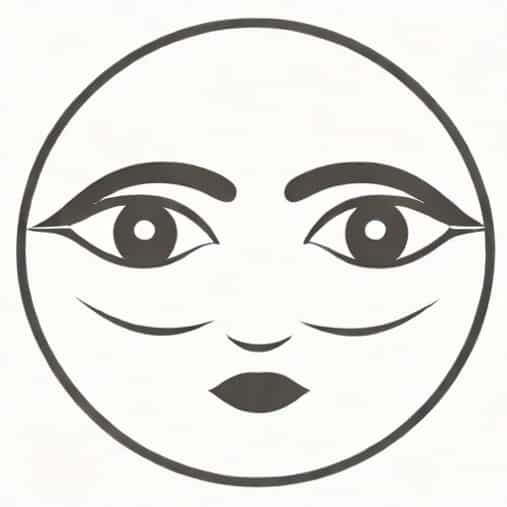
A fixed look with eyes open can reveal far more than many people realize. Whether it appears in a moment of deep concentration, sudden shock, or emotional overwhelm, this unbroken stare often signals something meaningful about a person’s internal state. Human expression is complex, and the eyes are frequently at the center of communication, even when no words are spoken. When someone holds a fixed look, the expression becomes a subtle message-one that can hint at attention, tension, confusion, or even a physiological response. Understanding how this expression works can help us interpret emotions more accurately and respond with greater empathy in daily life.
The Meaning Behind a Fixed Look
A fixed look with eyes open is often associated with intense focus. When a person becomes fully absorbed in a thought or action, their eyes may settle on one point without blinking as frequently. This behavior is common in serious discussions, high-pressure situations, or moments of realization.
However, a fixed look can also relate to emotional responses. Fear, surprise, disbelief, or even anxiety can cause this expression to appear without conscious effort.
Emotional Indicators
The eyes reflect emotional energy. A fixed stare may suggest a person is experiencing one of several strong feelings
- Shock or surpriseThe mind is processing new information rapidly.
- Fear or alertnessThe body enters a heightened state of awareness.
- ConfusionThe person is trying to make sense of something unexpected.
- AngerA tension-filled expression may include an unbroken gaze.
Because emotions influence eye movement, understanding the context helps identify the cause behind the fixed look.
Psychological Factors Behind an Unmoving Gaze
Psychology plays a significant role in how and why people maintain a fixed look with eyes open. The mind often uses visual focus as a tool for processing information or controlling internal reactions. This behavior can appear intentionally or instinctively.
Cognitive Processing
When the brain is working through a difficult problem or heavy thought, a person may unconsciously stop shifting their gaze. Reducing eye movement helps minimize distraction. This quiet focus allows mental resources to concentrate fully on one task.
This phenomenon often occurs during moments such as
- Analyzing complex information
- Making important decisions
- Listening carefully during a conversation
- Recalling memories
The Freeze Response
In stressful or dangerous situations, humans sometimes experience a freeze response. This survival mechanism causes the body to remain very still, including the eyes. A fixed look with eyes open becomes part of this automatic reaction.
Although not always tied to real danger, modern stressors can produce similar effects, causing someone to stare without blinking for a moment.
Physiological Aspects of a Fixed Look
Not all fixed looks are related to emotional or psychological states. Sometimes, the body’s natural functioning influences eye behavior. The muscles around the eyes, the nervous system, and even simple fatigue can impact how a person’s gaze behaves.
Reduced Blinking
When people focus intensely, their blinking rate decreases. This is common when watching screens, reading, or engaging in detailed tasks. A fixed look may simply be the result of prolonged concentration rather than emotional tension.
Eye Muscle Engagement
Holding the eyes open for an extended time requires specific muscle activation. Sometimes, this muscle tension reflects physical strain, especially when someone is tired or experiencing stress. This tension can make the stare appear more pronounced.
Medical Considerations
Although less common, certain medical conditions can cause prolonged staring. Issues related to the nervous system, seizures, or thyroid imbalances may affect eye behavior. In such situations, the fixed look is not intentional but a symptom of the body’s internal processes.
The Social Interpretation of a Fixed Gaze
Socially, eye contact carries significant meaning. A fixed look with eyes open can influence how others perceive a person, affecting communication and interpersonal interactions. People may interpret the expression based on tone, situation, and cultural norms.
Perceptions and Misunderstandings
Because staring can seem intense, it may be misunderstood. For example
- A concentrated look might be misread as anger.
- A moment of surprise might appear as judgment.
- A thoughtful stare may seem like disinterest.
Awareness of this helps prevent miscommunication, especially in sensitive conversations.
Cultural Differences
Different cultures have distinct expectations regarding eye contact. In some places, a fixed look represents confidence or sincerity. In others, it may be seen as confrontational or disrespectful. These differences influence how a fixed look is interpreted in social settings.
When a Fixed Look Signals Discomfort
Sometimes, a fixed gaze indicates discomfort. People who feel overwhelmed, anxious, or emotionally stressed may freeze their stare as a way of coping. Recognizing this sign can help others respond with support or patience.
Signs of Stress-Related Staring
A fixed look may accompany other signs of stress, such as
- Rapid breathing
- Tense facial muscles
- Stiff posture
- Difficulty speaking
- A sudden pause in conversation
In these scenarios, offering reassurance or giving the person time to gather their thoughts can be helpful.
The Role of a Fixed Look in Observation and Attention
A fixed gaze can also reflect deep observation. People sometimes hold their eyes open to study details carefully or evaluate a situation. This heightened attention is often seen in professionals who rely heavily on visual assessment, such as artists, doctors, or engineers.
Focused Observation
When observing something closely, the brain limits unnecessary movement. Eyes become steady to improve accuracy. This kind of fixed look serves a practical purpose
- Examining fine details
- Judging distance or alignment
- Noticing changes in the environment
- Concentrating during creative or analytical tasks
Mindfulness and Stillness
Sometimes, a fixed look with eyes open appears during mindful moments. A person may stare at a distant object while thinking deeply, grounding themselves in a quiet moment of clarity. This stillness can be calming and reflective, helping the mind reset.
Recognizing Context to Understand Expression
Because the meaning of a fixed look varies widely, context is essential. The surrounding environment, body language, and emotional tone help reveal the true message behind the stare. No single interpretation fits every situation.
Factors to Consider
- Is the person engaged in deep thought?
- Are they reacting to sudden news?
- Do they appear stressed or overwhelmed?
- Is the environment causing them to focus intensely?
By looking at the full picture, it becomes easier to understand the intention behind the fixed gaze.
A fixed look with eyes open is a powerful nonverbal expression that reflects emotion, concentration, physiology, and context. Whether it signals focus, shock, stress, or curiosity, this moment of stillness can communicate what words cannot. Learning to recognize the subtle meaning behind this expression helps improve empathy, clarity, and connection in everyday interactions. Understanding the many dimensions of a fixed gaze deepens our awareness of human behavior and enhances the way we interpret the silent messages communicated through the eyes.