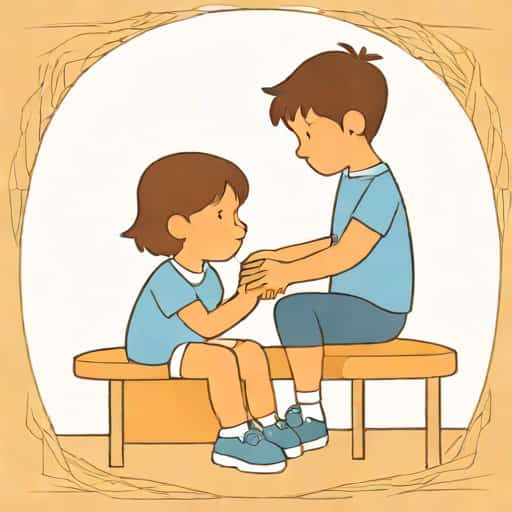
Understanding why children misbehave is a topic that concerns parents, educators, and caregivers alike. Misbehavior can range from minor disruptions in the classroom to aggressive actions at home, and it often leaves adults wondering what causes such behavior. A common cause of misbehavior in children is the need for attention, recognition, or emotional support. Children may act out when they feel ignored, misunderstood, or unable to communicate their feelings effectively. By examining the underlying causes of misbehavior, adults can better respond to children’s needs and guide them toward positive behavior, rather than simply punishing them for acting out.
Attention-Seeking as a Primary Cause
Many children misbehave because they want attention, either from parents, teachers, or peers. Attention-seeking behavior often arises when children feel neglected or when positive interactions with adults are infrequent. Misbehavior, even if negative, can be an effective way for a child to ensure they are noticed. For example, a child may throw a tantrum in a classroom to gain the teacher’s attention or interrupt conversations at home to make sure a parent notices them. Addressing this behavior requires understanding that the child’s actions are a form of communication rather than simply defiance.
Examples of Attention-Seeking Behavior
- Interrupting adults or peers repeatedly during conversations.
- Engaging in loud or disruptive actions in class or at home.
- Testing boundaries by breaking rules to see the reaction of adults.
- Acting aggressively toward siblings or friends to elicit a response.
Recognizing these behaviors as attention-seeking can help caregivers provide alternative ways for children to express their needs and emotions. Positive reinforcement, such as praising good behavior and providing consistent attention, can reduce the frequency of negative behaviors.
Emotional Needs and Misbehavior
Another common cause of misbehavior is unmet emotional needs. Children who experience anxiety, stress, or feelings of insecurity may act out as a coping mechanism. Misbehavior can be a way for children to express frustration, sadness, or fear when they lack the words or emotional skills to communicate effectively. Understanding the child’s emotional state is crucial, as addressing the root cause can prevent further behavioral issues and support emotional development.
Signs of Emotional Misbehavior
- Frequent crying or tantrums over minor issues.
- Withdrawal from social interactions or reluctance to participate in activities.
- Sudden changes in behavior, such as aggression or irritability.
- Difficulty concentrating or following instructions.
Caregivers can support children by providing a safe space for expressing emotions, offering reassurance, and modeling healthy ways to cope with stress. Counseling or social-emotional learning programs in schools can also help children understand and manage their feelings without resorting to misbehavior.
Environmental and Social Factors
Children’s behavior is influenced not only by their internal needs but also by their environment. A common cause of misbehavior in children can be linked to chaotic or inconsistent surroundings. When children live in environments with frequent conflict, unpredictable routines, or lack of clear rules, they may act out to test limits or regain a sense of control. Social factors, including peer pressure, bullying, and exposure to aggressive behavior, can also contribute to misbehavior.
How Environment Impacts Behavior
- Inconsistent rules at home or school lead to confusion and testing of boundaries.
- High levels of conflict between caregivers or family members increase stress.
- Peer influence can encourage negative behaviors to fit in or gain approval.
- Lack of structured activities can result in boredom and disruptive actions.
Creating a structured and supportive environment helps children feel secure and reduces the likelihood of misbehavior. Clear rules, predictable routines, and positive reinforcement for following expectations contribute to better behavior outcomes.
Developmental and Cognitive Factors
Children’s developmental stage also plays a role in misbehavior. Young children, for instance, may have limited impulse control and difficulty understanding the consequences of their actions. Misbehavior can be a natural part of cognitive and social development, as children learn how to interact with others and navigate the rules of society. Patience, guidance, and age-appropriate expectations are essential for helping children develop self-control and problem-solving skills.
Developmental Challenges
- Impulsivity due to immature executive function in young children.
- Difficulty expressing needs or frustrations verbally.
- Testing boundaries as part of learning social norms.
- Struggling with transitions, changes, or delays in routine.
Understanding that misbehavior can be a developmental stage allows adults to respond with empathy and appropriate strategies, such as teaching coping skills, setting clear expectations, and offering consistent consequences for actions.
Practical Strategies to Address Misbehavior
Addressing misbehavior effectively involves identifying the underlying cause and responding in a way that supports the child’s growth. Strategies may include
- Providing positive attention and recognition for desired behaviors.
- Teaching emotional regulation skills and ways to express feelings safely.
- Maintaining consistent rules, routines, and expectations at home and school.
- Offering opportunities for children to participate in decision-making and problem-solving.
- Modeling respectful communication and coping strategies.
By understanding the causes of misbehavior, adults can shift from punitive responses to supportive interventions that promote long-term behavioral development. Children who feel understood, secure, and capable of expressing their needs are less likely to engage in negative behaviors.
Generally, a common cause of misbehavior in children is the need for attention, emotional support, and understanding. Children may act out due to unmet emotional needs, environmental stressors, developmental challenges, or social influences. Recognizing these underlying factors allows parents, teachers, and caregivers to respond with empathy and effective strategies rather than simply punishing the child. Providing positive attention, consistent routines, emotional guidance, and structured environments helps children learn self-control, problem-solving, and healthy ways to express their emotions. By addressing the root causes of misbehavior, adults can support children in developing the social, emotional, and cognitive skills necessary for success and well-being.