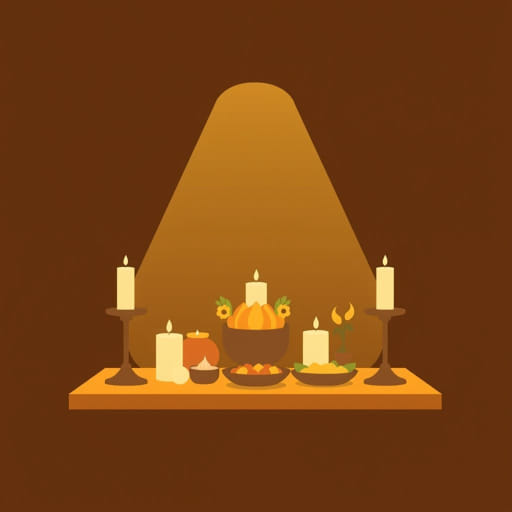
In many regions of Mexico and other parts of Latin America, the tradition of setting up an ofrenda, or altar, is an integral part of DÃa de los Muertos, the Day of the Dead. This vibrant and heartfelt practice is more than just a display of colorful elements it is a profound act of love, memory, and connection with deceased loved ones. Understanding when to put up the ofrenda, known in Spanish as cuando se pone la ofrenda, is vital to honoring this tradition properly. The timing, symbolism, and preparation are all deeply rooted in culture and beliefs that span generations.
The Meaning Behind the Ofrenda
A Spiritual Welcome
The ofrenda is a sacred space created to welcome the souls of the dead back to the realm of the living. It is believed that during specific days, the spirits return to visit their families, and the ofrenda helps guide them home. With elements like candles, marigolds (cempasúchil), food, water, and personal belongings, the altar serves as both a spiritual beacon and a loving tribute.
More Than Just a Tradition
Though widely associated with DÃa de los Muertos on November 1st and 2nd, the ofrenda is not simply about a single holiday. It represents a cultural worldview that sees death not as an end but as a continuation. Life and death coexist in balance, and honoring the dead is part of honoring life itself.
Cuando Se Pone la Ofrenda: When to Begin
Traditional Dates and Phases
The setup of the ofrenda typically begins in the last days of October, but the specific timing can vary depending on regional and family customs. In many areas, the ofrenda is fully set by the evening of October 31st to welcome the souls of deceased children, known asangelitos, on November 1st.
- October 27: Some people begin by placing a candle and a glass of water for forgotten souls or those who have no family to remember them.
- October 28: Dedicated to those who died in accidents or suddenly.
- October 29: Honoring those who drowned or died by water-related causes.
- October 30-31: Reserved for souls who experienced violence or tragic deaths, and for children without baptized names.
- November 1: All Saints’ Day, for deceased children and infants often the most emotional part of the celebration.
- November 2: All Souls’ Day, for honoring deceased adults and family ancestors.
Gradual Setup
Many families choose to build the ofrenda gradually over the last few days of October. Each addition has a symbolic meaning, and taking time allows reflection, storytelling, and even community collaboration. In some homes, the process becomes a family ritual that includes everyone from children to grandparents.
Essential Elements of the Ofrenda
Layers of Meaning
The ofrenda usually consists of multiple tiers, each representing different concepts of life, death, and the spiritual journey. While designs may differ, there are core elements that appear in most altars.
- Photos of the Deceased: Placed in the center to honor and remember the individual being welcomed.
- Marigold Flowers: Known as cempasúchil, these bright orange blooms are said to guide spirits with their vibrant color and scent.
- Food Offerings: Including pan de muerto (bread of the dead), tamales, fruits, and the favorite dishes of the departed.
- Water: A vital symbol of life and a refreshment for tired spirits after their journey.
- Salt: Represents purification and is thought to prevent the soul from becoming corrupted.
- Personal Items: Belongings or objects associated with the departed to help them feel welcomed and remembered.
Decorative and Symbolic Items
Other common additions include papel picado (colorful paper banners), candles (representing hope and illumination), and incense, especially copal, which is believed to purify the space and elevate prayers to the heavens. These items create a sensory environment that appeals to both the living and the dead.
Family and Community Involvement
A Collective Expression
Building the ofrenda is often a communal act. Families may spend hours together discussing memories, choosing what to include, and sharing stories of the departed. It is a way to strengthen bonds, pass down traditions, and involve younger generations in cultural heritage.
Public Ofrendas and Community Altars
In many cities and towns, public altars are built in plazas, schools, museums, and other communal spaces. These ofrendas may honor historical figures, victims of tragedy, or local heroes. The act of setting these up often begins a few days before November, sometimes as early as mid-October, depending on the size and complexity of the altar.
The Emotional Power of the Ofrenda
Healing Through Remembrance
For many, creating the ofrenda is an emotional journey. It can bring tears, laughter, and a profound sense of peace. Remembering loved ones in such a beautiful, intentional way helps people cope with grief and keeps memories alive. Cuando se pone la ofrenda is not just a question of time it’s a ritual of the heart.
Connection Across Generations
Children often participate by placing toys, drawing pictures, or writing letters to their departed grandparents or siblings. In this way, the ofrenda becomes a bridge between generations, allowing the young to learn about their roots and elders to share their wisdom and stories.
Modern Interpretations and Changes
Urban vs Rural Practices
While the essence of the ofrenda remains the same, the way it is practiced can vary between urban and rural settings. In cities, people may use modern materials or digital tributes, while in rural areas, the practices may remain more traditional and deeply tied to indigenous customs.
Flexibility in Timing
In some households, due to work schedules or modern lifestyles, the ofrenda may be set up earlier or later than the traditional dates. What remains important is the intention and sincerity behind the act. While timing matters, the emotional and cultural meaning carries the most weight.
The answer to cuando se pone la ofrenda is shaped by tradition, belief, and love. Typically, altars begin to appear around October 27 and are fully prepared by November 1st and 2nd. However, the precise moment can vary depending on family customs, regional variations, and spiritual interpretations. What matters most is the respect, memory, and devotion embedded in the process. Through the ofrenda, the living reach across time and space to honor those who have gone before welcoming them home, if only for a little while, with candles, marigolds, food, and heartfelt remembrance.