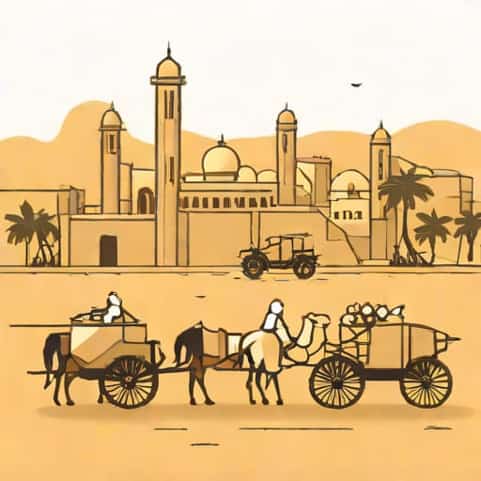
The Siege of Khartoum was a pivotal event in the Mahdist War, a conflict that took place in the late 19th century in Sudan. It lasted from March 1884 to January 1885 and involved the forces of the Mahdist Sudanese army, led by Muhammad Ahmad, against the defenders of Khartoum under British General Charles Gordon. The siege captured global attention at the time due to its dramatic military and humanitarian aspects, including the protracted encirclement of the city, the desperate conditions of the inhabitants, and the eventual fall of Khartoum. Understanding the Siege of Khartoum requires examining its historical context, the key figures involved, and its lasting impact on Sudan and British imperial history.
Historical Context
In the late 19th century, Sudan was under the control of the Egyptian administration, which was itself influenced by British interests. The region was plagued by economic hardship, corruption, and social unrest. Muhammad Ahmad, a religious leader, declared himself the Mahdi, or guided one, in 1881, aiming to establish an Islamic state free from foreign domination and corrupt governance. His movement gained rapid support among local tribes and soldiers, challenging Egyptian and British authority in the region. The rise of the Mahdists created significant tension, eventually leading to the confrontation at Khartoum.
Charles Gordon and His Mission
General Charles Gordon, a British officer, was appointed to Khartoum to oversee the evacuation of Egyptian forces and civilians in the city while attempting to maintain order. Gordon had previously gained fame for his military exploits in China and Africa and was considered a disciplined and resourceful leader. He was tasked with negotiating with local leaders and managing the growing threat posed by the Mahdist forces. Despite his initial orders to evacuate, Gordon chose to stay in Khartoum, believing that abandoning the city would lead to widespread bloodshed and suffering among the population.
The Siege Begins
The Mahdist forces, numbering tens of thousands, surrounded Khartoum in March 1884, cutting off supplies and communication with the outside world. The defenders, including Egyptian troops and a small contingent of British officers, faced severe shortages of food, water, and medical supplies. The city’s fortifications were tested repeatedly, and the inhabitants endured extreme conditions. The siege quickly became a symbol of determination and resistance, as Gordon and his forces held out against overwhelming odds.
Conditions Within the City
Life in Khartoum during the siege was harsh and desperate. Food and clean water became scarce, leading to malnutrition and disease. Civilians were trapped alongside soldiers, and morale fluctuated as the siege wore on. Gordon attempted to maintain order through strict discipline, rationing, and morale-building measures. Despite these efforts, the prolonged encirclement took a heavy toll on both the population and the defending forces, highlighting the human cost of the siege.
International Attention
The Siege of Khartoum captured the attention of the British public and government. Newspapers reported on the events daily, often emphasizing the heroism of General Gordon and the plight of the city’s residents. Public pressure mounted for the British government to act, creating a tense political environment. Delays in decision-making and logistical challenges meant that relief efforts were slow, allowing the Mahdist forces to maintain their stranglehold on the city. The international dimension of the siege underscored the complexities of imperial politics and media influence in the 19th century.
Attempts at Relief
The British government eventually organized a relief expedition to rescue Gordon and the defenders of Khartoum. Led by General Garnet Wolseley, the expedition faced logistical difficulties, harsh terrain, and the need to navigate the Nile River. Despite moving as quickly as possible, the relief force arrived just two days after the city fell, highlighting the challenges of 19th-century military operations and communication. The timing of the relief attempt has been widely debated, with some historians arguing that earlier intervention might have changed the outcome.
The Fall of Khartoum
After nearly ten months of siege, Khartoum fell to the Mahdist forces on January 26, 1885. General Gordon was killed during the final assault, and the city’s defenders were overwhelmed. The fall of Khartoum marked a significant victory for the Mahdist movement, solidifying Muhammad Ahmad’s control over Sudanese territory and demonstrating the strength and organization of his forces. The event had profound political and military implications for both Sudan and Britain, influencing subsequent colonial and military strategies in the region.
Aftermath and Consequences
The Siege of Khartoum had lasting effects on Sudan and British imperial history. For Sudan, it represented the consolidation of Mahdist rule, which lasted until the eventual Anglo-Egyptian reconquest in 1898. The Mahdist state implemented strict religious and political reforms, reshaping the social and administrative landscape of the region. For Britain, the siege became a subject of national debate, influencing public opinion about imperial responsibilities, military leadership, and colonial policy. The death of Gordon became a symbol of heroism and martyrdom, celebrated in literature, art, and public memory.
Legacy of the Siege
The Siege of Khartoum remains a significant historical event, studied for its military, political, and humanitarian dimensions. It is remembered as a dramatic example of endurance under siege conditions, leadership in crisis, and the complexities of imperial intervention. Historians continue to analyze the strategic decisions, the role of media and public opinion, and the broader implications for Sudanese and British history. The story of the siege has also been represented in books, films, and academic studies, ensuring that its lessons continue to resonate with contemporary audiences.
Lessons Learned
- The importance of timely decision-making and coordination in military and humanitarian operations.
- The human cost of prolonged sieges, including the impact on civilians and soldiers.
- The influence of media and public opinion on government actions during crises.
- The resilience of communities and leaders under extreme adversity.
- The long-term political consequences of military engagements in colonial and conflict settings.
The Siege of Khartoum was a defining episode in Sudanese and British history, reflecting the complexities of 19th-century warfare, imperial politics, and human endurance. It showcased the courage and determination of General Gordon and the defenders, as well as the strategic and organizational capabilities of the Mahdist forces under Muhammad Ahmad. The event’s dramatic nature, combined with its political and humanitarian significance, has ensured its place in historical memory. Studying the siege provides valuable insights into leadership, the impact of media on public perception, and the enduring consequences of military and political decisions. The Siege of Khartoum remains a powerful reminder of the challenges and costs of conflict, the resilience of people under siege, and the intricate dynamics of history that continue to shape the world today.