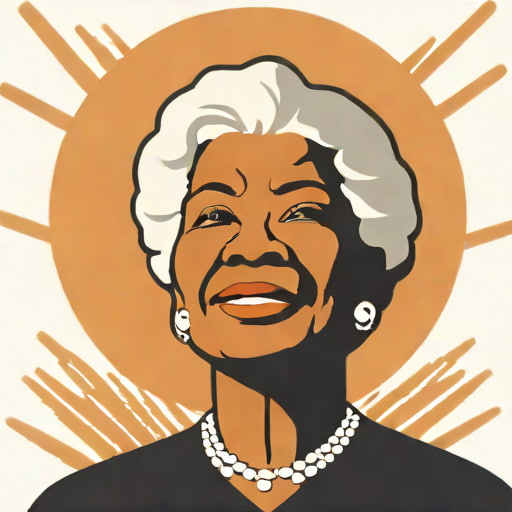
Still I Rise by Maya Angelou is one of the most powerful and inspiring poems in modern literature, celebrated for its themes of resilience, self-respect, and empowerment. Written during a time of social and political upheaval, the poem speaks to the struggles faced by African Americans, women, and other marginalized groups, while offering a universal message of hope and determination. Angelou’s words are both a personal declaration and a collective anthem, reflecting her life experiences as a Black woman who overcame adversity and prejudice. The poem’s rhythm, imagery, and confident tone make it a timeless work that resonates with readers around the world, inspiring them to rise above challenges and affirm their inherent worth.
About Maya Angelou
Maya Angelou was an acclaimed poet, memoirist, singer, dancer, and civil rights activist. Her works often explore themes of identity, race, gender, and resilience, drawing from her own life experiences. Born in 1928, Angelou faced numerous hardships throughout her early life, including poverty, trauma, and racial discrimination. These experiences shaped her worldview and fueled her dedication to advocating for social justice and personal empowerment. Still I Rise is part of her 1978 poetry collection, also titledStill I Rise, which reflects her unwavering spirit and commitment to inspiring others through words.
Summary of the Poem
Still I Rise is a declaration of triumph over oppression, prejudice, and hardship. The poem is written in the first person, with Angelou addressing her oppressors directly while affirming her own dignity and strength. It emphasizes the resilience of the human spirit, the power of self-respect, and the ability to rise above societal attempts to diminish one’s worth. The repeated refrain, I rise, reinforces the poem’s central message of perseverance and victory against all odds.
Key Themes
- ResilienceThe poem celebrates the ability to overcome obstacles, hardships, and systemic oppression.
- Self-empowermentAngelou asserts her self-worth and refuses to be diminished by others’ negativity or prejudice.
- Social justiceThe poem addresses the historical and ongoing struggles faced by African Americans and marginalized groups.
- Hope and optimismDespite challenges, the poem emphasizes a confident, forward-looking perspective.
Structure and Literary Devices
Still I Rise is written in free verse, with a strong rhythmic flow that mirrors the poem’s confident tone. Angelou employs a range of literary devices to convey emotion and power, including repetition, simile, metaphor, and imagery. The repetition of phrases like I rise and I’ll rise creates a sense of momentum and determination, reinforcing the poem’s central message.
Use of Imagery and Metaphor
Angelou’s imagery evokes both physical and emotional resilience. She compares herself to natural forces such as air and gold, symbolizing invincibility, value, and enduring strength. For example, lines like I rise like air convey lightness, freedom, and the unstoppable nature of her spirit. The poem also uses vivid metaphors to describe societal oppression and prejudice, portraying them as challenges that ultimately cannot prevent her ascent.
Tone and Voice
The tone of Still I Rise is bold, confident, and assertive. Angelou speaks directly to her oppressors and to herself, combining defiance with celebration. Her voice is both personal and collective, reflecting the struggles of Black women and marginalized communities while asserting universal truths about resilience and human dignity. The assertive tone inspires readers to embrace their own strength and face adversity with courage.
Historical and Cultural Context
Still I Rise was written during a period marked by the civil rights movement and ongoing struggles for gender and racial equality. The poem reflects the experiences of African Americans and women navigating systemic oppression and discrimination. Angelou’s work speaks not only to her personal journey but also to the broader historical struggle for social justice. By contextualizing the poem within this framework, readers can appreciate the courage and defiance embedded in every line.
Impact on Readers and Society
- The poem has inspired countless individuals to persevere through personal and societal challenges.
- It is frequently taught in schools and universities to highlight themes of empowerment and resilience.
- Still I Rise has become a cultural touchstone for movements advocating racial equality, gender rights, and human dignity.
- Angelou’s work encourages self-reflection and the embrace of one’s identity, promoting confidence and self-respect.
Feminist and Social Significance
Still I Rise is celebrated as a feminist work because it asserts the strength, resilience, and independence of women, particularly Black women. Angelou’s poem challenges patriarchal norms and societal expectations that attempt to suppress women’s voices and agency. The poem also resonates with anyone who has experienced oppression, discrimination, or marginalization, offering a powerful message of hope and self-empowerment. Its relevance extends across time, inspiring modern social movements and individuals advocating for equality and justice.
Lessons and Inspirations
- Encourages readers to rise above adversity, discrimination, and personal setbacks.
- Promotes self-confidence and pride in one’s identity and heritage.
- Demonstrates the transformative power of words in fostering resilience and hope.
- Inspires both personal growth and collective action for social change.
Still I Rise by Maya Angelou remains one of the most celebrated and influential poems in contemporary literature. Its enduring impact lies in its ability to speak to both individual and collective struggles, offering hope, empowerment, and the affirmation of human dignity. Through vivid imagery, rhythmic repetition, and a bold, assertive tone, Angelou creates a work that inspires readers to rise above challenges, embrace their worth, and face the world with courage. The poem continues to resonate across generations, serving as a timeless reminder of resilience, self-respect, and the indomitable human spirit. Whether read as a personal mantra, a cultural anthem, or a literary masterpiece, Still I Rise remains a powerful testament to the ability of poetry to uplift, motivate, and transform lives.