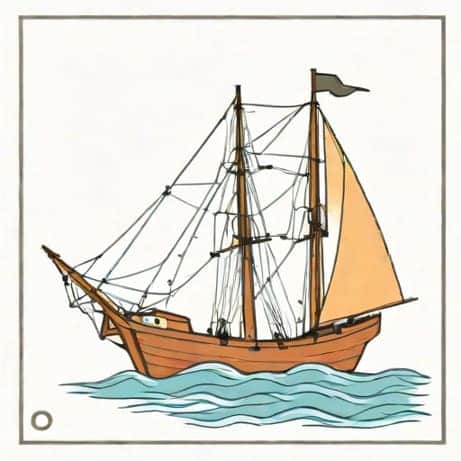
The phrase place of the whaler carries rich historical, cultural, and literary significance, reflecting both literal and symbolic meanings. At its core, it evokes the image of a location associated with whaling activities, whether a port town, a coastal settlement, or a specific region where whalers docked, hunted, or processed whales. Whaling has been a significant industry for centuries, influencing economies, social structures, and maritime culture. Exploring the meaning of place of the whaler offers insight into the maritime traditions, historical contexts, and symbolic interpretations tied to human interaction with the ocean and its creatures. Understanding this phrase allows for a deeper appreciation of historical narratives, literary works, and cultural references connected to whaling.
Historical Context of Whaling
Whaling has a long history dating back to ancient civilizations, but it reached its peak in the 17th to 19th centuries. Communities in regions such as New England in the United States, Norway, and Japan developed economies centered around whaling. A place of the whaler historically referred to ports or coastal towns where whaling ships were constructed, maintained, and launched. These locations became hubs of commerce, maritime knowledge, and social life, influencing the identity of the surrounding regions. Understanding the historical context is crucial to fully grasping the meaning of this phrase.
Economic Importance
Places associated with whalers often thrived economically due to the wealth generated from whale oil, baleen, and other byproducts. Whale oil was a critical source of lighting and lubrication before the advent of petroleum-based products, while baleen was used in fashion, particularly in corsets and other garments. A place of the whaler therefore symbolized both maritime expertise and economic vitality. These locations were not only centers of trade but also sites of craftsmanship, where the processing of whale products required specialized knowledge and labor.
Social and Cultural Significance
In addition to economic impact, whaler towns developed unique social and cultural characteristics. Communities often had strong maritime traditions, with generations of families involved in whaling. Folklore, songs, and local customs reflected life at sea and the dangers of hunting large whales. The place of the whaler thus became a cultural concept, representing resilience, skill, and the close connection between people and the ocean. Maritime festivals, storytelling, and artistic depictions all contributed to the cultural identity of these communities.
Geographical Locations Associated with Whalers
Several locations around the world can be described as places of the whaler. These are typically coastal towns or regions historically associated with whaling. For example, Nantucket and New Bedford in Massachusetts were prominent whaling hubs in the United States. In Norway, towns along the coast served as bases for whaling expeditions in the North Atlantic. Japan’s coastal communities also have a long tradition of whaling. Each of these places offers unique insights into local adaptations to maritime life, economic development, and cultural practices.
Key Features of Whaler Locations
- Proximity to whale migration routes, ensuring accessibility to hunting grounds.
- Infrastructure for shipbuilding, repair, and provisioning.
- Processing facilities for rendering whale oil and other byproducts.
- Communities with deep knowledge of maritime navigation and whale behavior.
Symbolic Meaning in Literature
The phrase place of the whaler also carries symbolic weight in literature and storytelling. Whaling has often been used as a metaphor for human ambition, struggle against nature, and the pursuit of elusive goals. In Herman Melville’s classic novelMoby-Dick, for instance, whaling serves as a backdrop for exploring human obsession, mortality, and the conflict between man and nature. The place of the whaler in literature often represents both a literal setting and a thematic space where courage, danger, and moral dilemmas converge.
Thematic Implications
Writers frequently use whaler towns as microcosms of human society, illustrating themes such as
- Risk and reward Life in whaler towns mirrors the dangers and uncertainties of the sea.
- Community and isolation Whaling communities are tightly knit but also isolated from broader society.
- Man versus nature Whalers’ struggles against whales symbolize broader human challenges and conflicts.
- Persistence and obsession The dedication required for whaling reflects human ambition and tenacity.
Modern Interpretations and Tourism
Today, the meaning of place of the whaler extends beyond its historical roots. Many former whaling towns have preserved their maritime heritage through museums, cultural centers, and historical sites. Visitors can explore whaling artifacts, learn about the lives of whalers, and understand the economic and cultural significance of the industry. The phrase now often evokes heritage, education, and the celebration of maritime history rather than active whaling. Tourism has transformed these places into living reminders of past industries, blending historical preservation with contemporary economic activity.
Heritage Sites
Places that were once central to whaling often highlight their history through
- Maritime museums displaying whaling equipment, ship models, and historical records.
- Guided tours of old wharves, shipyards, and docks.
- Festivals and events celebrating maritime culture and traditions.
- Educational programs focused on environmental conservation and the history of whaling.
Environmental Considerations
Modern understanding of place of the whaler also includes ecological awareness. Whaling has had significant environmental impacts, including the depletion of whale populations. Today, many former whaler locations emphasize conservation and sustainable practices, reflecting a shift in the symbolic meaning of the phrase. While historically the term may have celebrated economic exploitation, it now often highlights lessons in environmental stewardship, responsible tourism, and historical reflection.
Conservation Efforts
In several coastal communities, conservation efforts include
- Protecting whale populations through international regulations and marine sanctuaries.
- Promoting eco-tourism that balances economic development with wildlife preservation.
- Educational initiatives highlighting the impact of whaling and the importance of ocean ecosystems.
- Restoration of historical sites to preserve both cultural and environmental heritage.
The phrase place of the whaler carries multiple layers of meaning, from its literal reference to historical whaling towns to its symbolic representation in literature and modern culture. Historically, it reflected economic prosperity, maritime skill, and cultural identity in communities engaged in whaling. Symbolically, it represents human ambition, resilience, and the struggle against natural forces. Today, the phrase often emphasizes heritage, education, and environmental consciousness. Understanding the full meaning of place of the whaler requires exploring its historical roots, literary significance, and contemporary interpretations. By doing so, we gain a comprehensive view of how human society has interacted with the ocean, the whales, and the communities that depended on them.