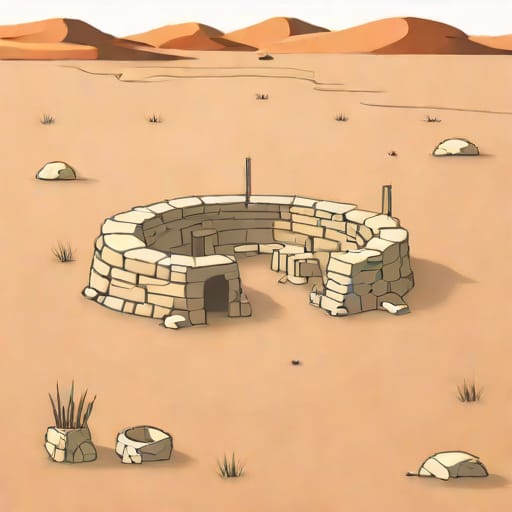
The study of ancient human settlements offers a window into the lifestyles, technologies, and cultures of our ancestors. Among the numerous archaeological sites around the world, Hallur has sparked interest among researchers due to its historical significance and potential connections to early human civilization. Scholars and archaeologists have debated whether Hallur should be classified as a Neolithic site, a period known for the development of agriculture, polished stone tools, and permanent settlements. Exploring Hallur’s artifacts, structural remains, and cultural context helps shed light on the complex transition from hunter-gatherer societies to more settled communities. Understanding the characteristics of Hallur in comparison with other Neolithic sites can clarify its place in the broader prehistoric timeline.
Understanding the Neolithic Period
The Neolithic period, also known as the New Stone Age, is marked by significant advancements in human history. It generally spans from around 10,000 BCE to 3,000 BCE, depending on the region. This era is characterized by the domestication of plants and animals, the creation of polished stone tools, the establishment of permanent villages, and the beginnings of pottery and weaving. Neolithic communities are often distinguished by their ability to produce surplus food, which allowed for population growth and the development of more complex social structures. Examining Hallur through the lens of these defining characteristics can help determine if it fits within the Neolithic framework.
Key Features of Neolithic Sites
Archaeologists typically look for several indicators when identifying a Neolithic site. These features include
- Permanent or semi-permanent settlements with evidence of domestic structures.
- Stone tools that are polished or refined rather than simply chipped or flaked.
- Artifacts related to agriculture, such as grinding stones, sickles, or storage pits for grains.
- Pottery used for cooking, storage, and ceremonial purposes.
- Evidence of domesticated animals or plants.
- Signs of social organization, such as communal spaces or ritualistic structures.
These criteria provide a framework for assessing whether Hallur can be considered a Neolithic site.
Hallur Location and Archaeological Background
Hallur is located in the southern part of India, in the region that has produced several important archaeological discoveries related to early human settlements. Excavations in Hallur have revealed layers of habitation that suggest a long history of human activity. Artifacts recovered from the site include stone tools, pottery fragments, and structural remnants. These findings have prompted archaeologists to compare Hallur with other known Neolithic sites in India and beyond, assessing similarities and differences in material culture, settlement patterns, and subsistence strategies.
Evidence of Neolithic Characteristics at Hallur
Several discoveries at Hallur indicate Neolithic features
- Pottery and ArtifactsExcavations have uncovered pottery fragments, some of which show early decorative patterns typical of Neolithic craftsmanship. This suggests the presence of settled communities with artistic and functional needs.
- Stone ToolsBoth polished and chipped stone tools have been found, including axes, grinding stones, and scrapers. The presence of polished tools is especially significant, as it aligns with the technological advancements characteristic of the Neolithic period.
- Evidence of AgricultureTraces of domesticated crops and plant remains have been identified, indicating that Hallur’s inhabitants may have engaged in farming practices. This transition to agriculture is a hallmark of Neolithic culture.
- Settlement StructuresArchaeologists have found remnants of mud-walled houses and storage pits, pointing to a level of permanence in habitation. Such structures are consistent with Neolithic village life.
Comparisons with Other Neolithic Sites
To better understand Hallur’s classification, it is helpful to compare it with other well-known Neolithic sites in India, such as Mehrgarh and Burzahom. Mehrgarh, located in present-day Pakistan, displays early agricultural practices, domestication of animals, and polished stone tools dating back to 7000 BCE. Burzahom, in the Kashmir region, features pit dwellings and distinctive microlithic tools. Hallur shares several similarities with these sites, including pottery, evidence of agriculture, and permanent settlements, although the scale and specific cultural features may differ.
Regional Significance
Hallur’s location in southern India makes it particularly important for understanding the spread of Neolithic culture in the subcontinent. While many early Neolithic discoveries are concentrated in northern India and the Indus Valley, Hallur provides insight into the adaptation of agricultural practices and settlement strategies in southern regions. It highlights regional variations in tool-making techniques, pottery styles, and community organization, offering a more complete picture of Neolithic life across India.
Debates Among Archaeologists
Despite evidence suggesting Neolithic characteristics, some scholars have raised questions about whether Hallur should be fully classified as a Neolithic site. Critics argue that certain features may reflect transitional or hybrid phases rather than a complete Neolithic lifestyle. For example, some tools are still simple or minimally polished, and evidence of large-scale agriculture is limited compared to northern Neolithic sites. Others emphasize that Hallur represents an important regional variant of Neolithic culture, showing adaptation to local environmental conditions and available resources.
Supporting the Neolithic Classification
Proponents of the Neolithic classification highlight the combination of polished stone tools, pottery, and evidence of cultivation as strong indicators. Even if some elements are not fully developed, the overall pattern suggests that Hallur’s inhabitants were moving toward a settled, agrarian lifestyle typical of the Neolithic period. The presence of structured settlements and storage facilities further supports this view, indicating a community invested in permanence and resource management.
Based on current archaeological evidence, Hallur can be reasonably classified as a Neolithic site, although it may represent a regional or transitional form of Neolithic culture. The combination of polished stone tools, pottery, agricultural remains, and permanent settlement structures aligns with the defining features of the Neolithic period. Hallur provides valuable insights into the development of early human societies in southern India, highlighting regional variations in technology, subsistence, and community organization. By studying Hallur alongside other Neolithic sites, researchers can gain a more nuanced understanding of how early humans adapted to their environment, developed agriculture, and established lasting communities.
Keywords Hallur, Neolithic site, Neolithic period, polished stone tools, early agriculture, permanent settlements, southern India archaeology, prehistoric villages, Neolithic culture, ancient human settlements.