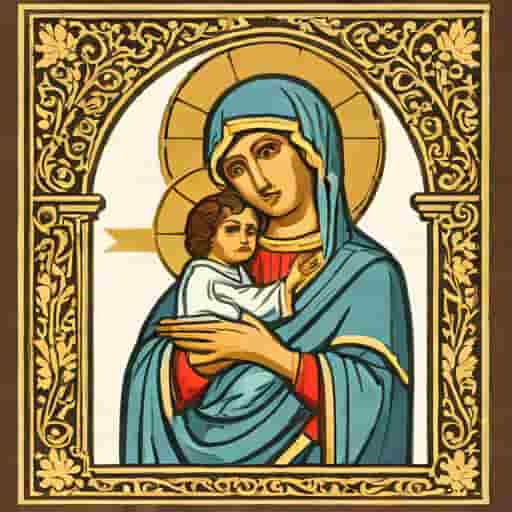
The Solemnity of Mary, Mother of God, celebrated on January 1st, is one of the most important feasts in the Catholic liturgical calendar. It honors Mary’s unique role in salvation history as the mother of Jesus Christ, who is both fully God and fully man. This solemnity invites believers to reflect on the mystery of the Incarnation, Mary’s obedience and faith, and her intercessory role in the life of the Church. The readings for this feast are carefully chosen to highlight theological truths, spiritual lessons, and the joy of beginning a new year under Mary’s maternal care.
First Reading Numbers 622-27
The first reading traditionally comes from Numbers 622-27, where God instructs Moses on the priestly blessing for the Israelites. This passage emphasizes God’s protection, grace, and favor The Lord bless you and keep you; the Lord make his face shine upon you, and be gracious to you; the Lord lift up his countenance upon you, and give you peace.
Significance of the Reading
This reading resonates with the Solemnity of Mary, Mother of God, because it underscores the divine blessing and peace that flow through Christ, whom Mary bore. Her obedience in accepting God’s plan allows these blessings to enter the world, making her role central to the fulfillment of God’s promises. It also reminds the faithful that Mary’s maternal care continues to intercede for peace and grace in the lives of believers.
- Emphasis on God’s blessing and protection
- Connection to the peace brought through Christ
- Reflection on Mary’s obedience and participation in God’s plan
- Encouragement for personal reflection and prayer
Responsorial Psalm Psalm 67
The responsorial psalm for this feast is Psalm 67, which begins with a prayer for God’s mercy and blessing May God be gracious to us and bless us and make his face to shine upon us. This psalm highlights joy, salvation, and the universal call of all nations to recognize God’s glory.
Spiritual Insights
Psalm 67 reinforces the theme of universal salvation, which is closely linked to Mary’s role as Mother of God. Through her yes to God, salvation became accessible to all humanity. The psalm also serves as a reminder that faith in God’s plan brings joy, guidance, and spiritual enlightenment.
- Focus on God’s grace and blessing
- Joyful acknowledgment of salvation
- Mary’s role in bringing Christ to the world
- Encouragement for global and communal prayer
Second Reading Galatians 44-7
The second reading comes from Galatians 44-7, where Paul speaks of God sending his Son, born of a woman, to redeem humanity But when the fullness of time had come, God sent forth his Son, born of woman, born under the law, to redeem those who were under the law, so that we might receive adoption as sons.
Theological Meaning
This passage explicitly connects to Mary as the Mother of God, highlighting her role in the Incarnation. Paul emphasizes that through Christ, and by extension Mary, believers are adopted into God’s family. The reading invites reflection on Mary’s unique participation in God’s redemptive plan and her enduring significance in the spiritual life of the Church.
- Mary as the mother of the Redeemer
- Christ’s mission of redemption and adoption of humanity
- Invitation to reflect on divine providence and timing
- Encouragement for believers to embrace their adoption as children of God
Gospel Reading Luke 216-21
The Gospel reading often comes from Luke 216-21, recounting the birth of Jesus in Bethlehem and Mary’s role in this miraculous event. The shepherds visit the newborn Christ and spread the good news, while Mary treasures all these events in her heart. Verse 21 emphasizes the naming of Jesus, reinforcing the connection between God and humanity through Mary.
Reflection on the Gospel
This reading highlights Mary’s contemplation and her role as the bearer of God incarnate. The Gospel emphasizes humility, obedience, and faith. Mary’s example shows the faithful how to internalize and reflect on God’s works in their lives, just as she did, nurturing the mystery of God’s plan in her heart.
- Mary’s faithful contemplation of God’s works
- The significance of Jesus’ name and identity
- Connection between divine action and human response
- Encouragement for personal reflection and devotion
Themes Across the Readings
The readings for the Solemnity of Mary, Mother of God, collectively emphasize several themes
- Obedience and FaithMary’s acceptance of God’s plan demonstrates the importance of saying yes to God.
- Divine BlessingGod’s grace flows through Mary, enabling peace, joy, and salvation.
- RedemptionChrist’s birth, through Mary, fulfills God’s promise of redemption for humanity.
- Universal CallSalvation is not limited but extends to all nations, emphasizing Mary’s role in God’s universal plan.
- Reflection and ContemplationMary’s example inspires believers to reflect on God’s actions and embrace faith in daily life.
Spiritual Application for Believers
For contemporary believers, these readings offer rich opportunities for reflection and devotion. Meditating on Mary’s role as Mother of God encourages deeper faith, gratitude, and awareness of God’s presence in one’s life. The readings also inspire acts of compassion, humility, and dedication to God’s plan, reminding the faithful that spiritual growth begins with reflection and active participation in God’s will.
- Contemplating Mary’s example of faith and obedience
- Praying for God’s blessing and guidance in the new year
- Recognizing the universality of God’s salvation plan
- Engaging in acts of service and compassion inspired by Mary’s life
The readings for the Solemnity of Mary, Mother of God, provide a rich tapestry of scriptural insight, theological reflection, and spiritual guidance. From the priestly blessing in Numbers to Paul’s message of redemption in Galatians and Luke’s narrative of the Nativity, the readings emphasize Mary’s unique role in God’s plan, the blessings of divine grace, and the universal scope of salvation. By reflecting on these readings, believers are invited to deepen their faith, emulate Mary’s obedience, and carry forward the joy and peace brought into the world through her son, Jesus Christ. Celebrating this solemnity encourages both personal contemplation and communal gratitude, highlighting Mary’s enduring significance as the Mother of God and our model of faith.