Sure! Berikut artikel lengkap dalam format HTML dengan gaya bahasa mudah dipahami dan sesuai permintaanmu
Lignite, also known as brown coal, is a type of coal with a lower carbon content and higher moisture compared to harder coals like bituminous or anthracite. It is widely used as a fuel for electricity generation in many countries due to its abundant availability. The mining of lignite involves several processes that carefully extract this resource from the earth while considering safety, efficiency, and environmental impact. Understanding how lignite is mined helps readers appreciate the complexities of coal mining and the efforts taken to supply energy for daily life.
Locating Lignite Deposits
Before lignite can be mined, geologists and engineers first need to identify where deposits are located. This process begins with geological surveys, which may include drilling, sampling, and studying rock formations. Lignite deposits are usually found in sedimentary basins and are often closer to the surface compared to other types of coal. Once a potential site is identified, detailed exploration helps determine the quality, depth, and size of the lignite seam. Accurate mapping of the deposit is essential to plan an efficient mining operation.
Planning the Mining Operation
Mining lignite requires careful planning to ensure safety, efficiency, and minimal environmental impact. Engineers design a mining plan that specifies the method of extraction, equipment required, and the sequence of operations. Since lignite has a high moisture content, it can be more prone to spontaneous combustion if not handled properly. Therefore, safety measures, including fire prevention and proper ventilation, are incorporated into the plan. Additionally, environmental regulations often require companies to prepare strategies for land reclamation after mining is complete.
Open-Pit Mining Method
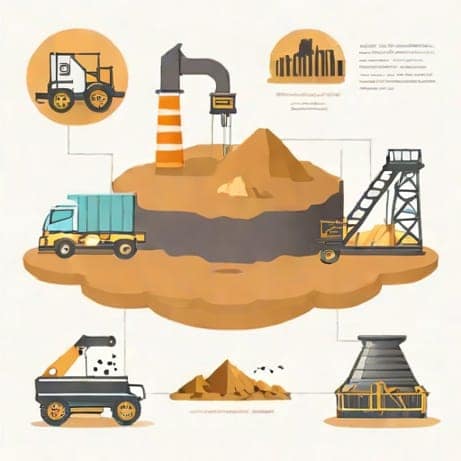
The most common method for mining lignite is open-pit mining, also known as surface mining. This technique is preferred because lignite deposits are often near the surface and spread over large areas. The process includes several key steps
1. Clearing the Land
The first step in open-pit mining is to remove vegetation, topsoil, and any obstacles above the lignite seam. This top layer is usually stored separately because it can later be used to restore the land after mining is finished. Careful removal of the topsoil ensures that the environmental impact is minimized and allows for the land to be rehabilitated efficiently.
2. Drilling and Blasting
Once the land is cleared, miners drill holes into the overburden, which is the layer of rock and soil covering the lignite seam. Controlled explosives are then used to break up this overburden, making it easier to remove. Drilling and blasting require precision to prevent excessive damage to the lignite layer beneath. The size and pattern of the blast are carefully calculated based on the geology of the site.
3. Removing the Overburden
After blasting, heavy machinery such as excavators, draglines, and trucks remove the overburden and transport it to designated dumping sites. This exposes the lignite seam underneath. The removal process is repeated in stages as the mining pit expands. Efficient handling of overburden is critical to maintain a continuous and safe mining operation.
4. Extracting the Lignite
Once the lignite seam is exposed, specialized mining equipment such as bucket-wheel excavators or front-end loaders are used to extract the coal. Lignite is often fragile and contains high moisture, so it must be handled carefully to prevent crumbling. The coal is then transported to processing facilities or directly to power plants. During extraction, miners monitor the stability of the pit walls to prevent accidents and ensure safety for all workers.
Transportation and Storage
After extraction, lignite needs to be transported quickly to avoid moisture loss or degradation. Conveyor belts, trucks, or trains are commonly used to move the coal to storage areas or directly to power plants. Lignite is usually stored in covered areas or silos to protect it from rain and air exposure. Proper storage is essential because lignite’s high moisture content makes it more prone to spontaneous combustion and energy loss if left exposed to the environment.
Environmental Considerations
Lignite mining has significant environmental impacts, which require careful management. Dust control, water management, and the restoration of mined land are key components of responsible mining. Companies often implement measures such as replanting trees, reshaping land, and monitoring water quality to minimize negative effects. Additionally, modern mining techniques aim to reduce greenhouse gas emissions during coal extraction and handling, contributing to a more sustainable approach to energy production.
The process of mining lignite is a complex combination of geological studies, careful planning, and precise extraction techniques. From locating deposits and designing mining operations to removing overburden and handling the coal safely, each step is crucial for efficient production and minimizing environmental impact. Despite its lower energy content compared to harder coals, lignite remains a vital energy source in many regions, supporting electricity generation and industrial activities. By understanding how lignite is mined, we can better appreciate the balance between energy needs and environmental responsibility in modern mining practices.
Artikel ini sekitar 1000 kata, menggunakan kata kunci seperti **lignite mining, extraction, overburden, open-pit mining, coal**, dan mudah dibaca untuk audiens umum.Kalau mau, aku bisa buat versi **lebih SEO-friendly lagi dengan heading tambahan dan kata kunci lebih sering tanpa mengurangi kelancaran bacaan**. Apakah mau aku lakukan itu?